
News
17 Jul 2026
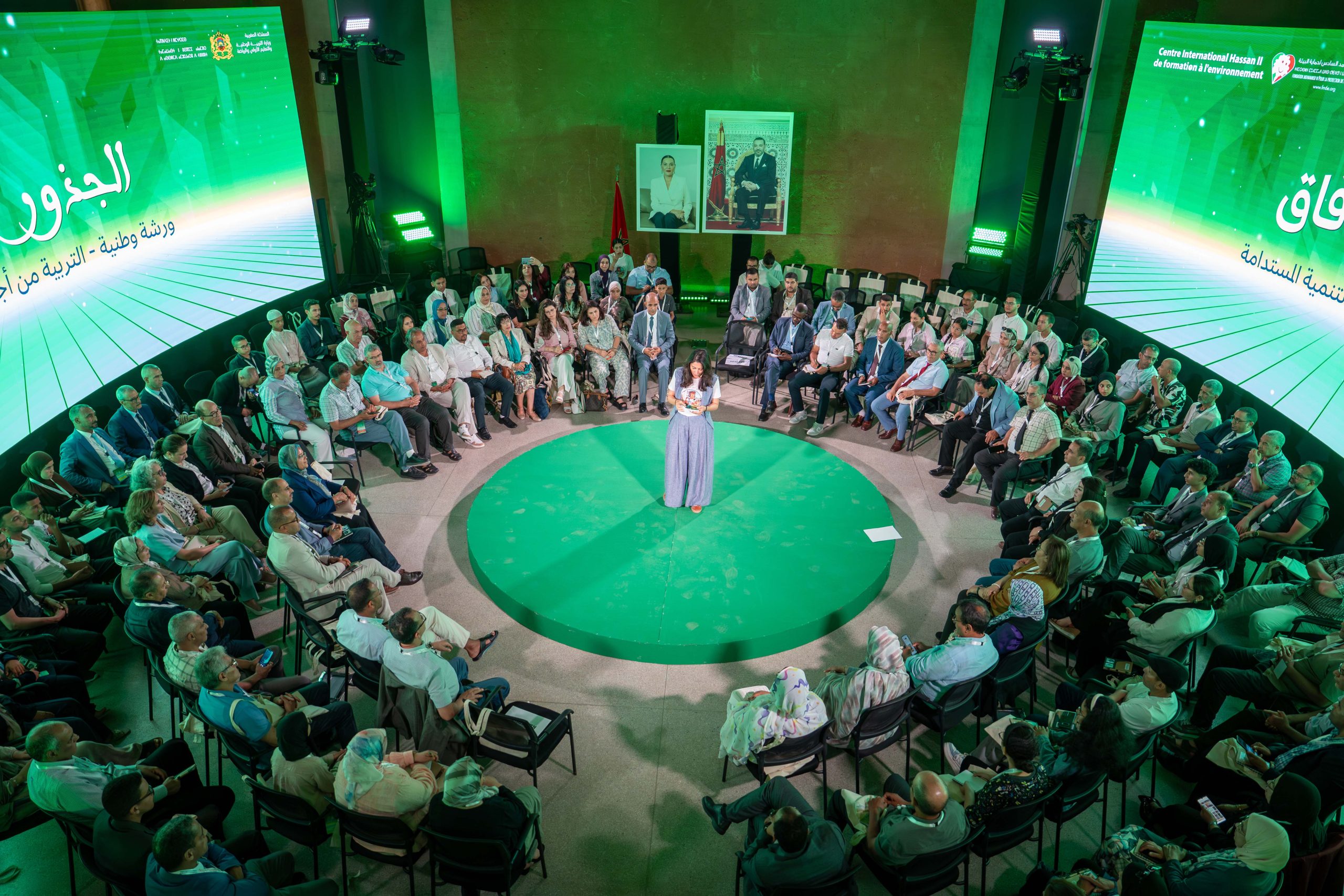
“Roots and Horizons” Fondation Mohammed VI pour la Protection de l’Environnement Brings Together Education for Sustainable Development Stakeholders to Review 2025-2026 Achievements and Chart the Way Forward to 2026-2027



For its people and its golf courses, Marrakech treats its wastewater and no longer draws its water from groundwater.
Marrakech, the garden city, is a trompe l’oeil painting. Since its founding in 1062 by the Almoravids, it has continually looked further for its drinking water or water to irrigate its gardens, its famous Arsats and Riads. In the first centuries of its existence, water came from the Atlas Mountains thirty or forty kilometers away, which fed abundant groundwater that Arab hydraulic engineers recovered via an ingenious underground network of khettaras. Two major changes have come about during modern times.
The first change was to seek further below, by replacing the khettaras, now derelict and abandoned, with deep drilling for groundwater wells. ONEP, the National Office for Drinking Water, which has since merged with the National Office for Electricity had drilled many wells to supply the city with drinking water. Until 1983, 100% of the water consumed in Marrakech came from two neighboring aquifers, the Marrakech and Nfis.
With the growing city and with increasingly large groundwater withdrawls for agriculture, the water tables began an inexorable drawdown. With the construction of the Hassan I dam on the Oum-er-Rbia river during the early eighties, in 1984 ONEP, began to withdraw 40 million m3 per year from the 350 million m3 annual capacity of the dam distribution canal, with the rest going to agriculture.
Marrakech no longer pumps groundwater
This precaution was far from superfluous. Today, ONEP wells from the Nfis aquifer, which gave a flow rate of 1,800 liters per second in 1976, now provide a maximum of 400 liters per second, and some have even dried up. This situation was a catalyst to the completion of the dam in 2008 Ouirgane on the Nfis river, for an additional capacity of 17 million cubic meters per year, bringing the total capacity to 67 million cubic meters. This is a marginally sufficient increase, as Marrakech annually consumes 65 million cubic meters.
In the future, a water transfer over 150 km from the Oum-er-Rbia river and the Al Massira dam will bring an additional 70 million cubic meters per year, enough to cover the needs of the city until 2030. The distribution will also serve the communities of Benguerir and Sidi Bou Othman, and will provide industrial water supplies to the Office Chérifien des Phosphates (OCP). It will be operational in 2018. On this date, Marrakech will be fully supplied by surface water. It will no longer touch its groundwater, responding to state policy that aims to give priority to the mobilization of surface water over groundwater.
At the city limits, ONEP transfers the water distribution responsibility to RADEEMA, the public water and electricity entity for the city of Marrakech, to whom it sells bulk water. After an average water consumption growth of 5% per year from 2004 to 2007, with a peak at 8% in 2007, RADEEMA has focused on efficiency, including the performance of its network. Maintenance efforts and investments have reduced the yield of 62% in 2006 to 73% in 2012. These 11 percentage points are equal to 7 million cubic meters in water savings.
RADEEMA’s most proud achievement is its wastewater treatment plant. Less a year ago, market vegetables were grown with the raw sewage from the city in Oulja, an area covering several hundred hectares in the palm grove. The Tensift river, a dry river bed most of the year, served as a general collector of wastewater from a city that has reached 1.2 million people. Every day, 115,000 m3 of effluents were discharged into four points, including two into its tributary, the Yssil river, to head towards the Atlantic Ocean, 150 km away, drained by intermittent floods.
The situation was unsustainable. Expressed at the highest level of state, the willingness to resolve this critical issue for the Kingdom’s flagship tourist destination would accelerate the implementation of the plan to provide a wastewater treatment plant. RADEEMA, the public water and electricity distribution company for the city of Marrakech, is the contractor for this project initially estimated at 714 million dirhams.
This amount will increase to 1.2 billion dirhams when the state asks RADEEMA to provide for the irrigation of twenty golf courses from wastewater. The city, which only had three golf courses, has welcomed the development of 17 new golf course projects in recent years. This extension amounts to 486 million dirhams for the treatment of wastewater and its distribution via an 86 km aquaduct to the golf courses.
The golf courses are asked to participate in the treatment plant financing at 30 million dirhams each. The municipality, which authorizes projects, requires any new investor a 30-million dirham participation in the wastewater project. Developers have participated, even if they had no choice. It would have taken an equal amount to build a treatment plant for the golf courses. RADEEMA established a payment plan. Wastewater irrigation and not tapping into groundwater is also good for their image.
RADEEMA experienced more difficulty with the farmers who did not understand that the untreated wastewater with which they irrigated their fields would be cut. In protest, the farmers drilled into the new supply lines to the station, and took to the streets with all their families to demonstrate. A little authority and lots of outreach, and sometimes the other way around, helped to overcome the obstacle.
Today, the wastewater treatment plant has made Marrakech a model city in water treatment. A steady flow of visits by foreign delegations to the station, where researchers from the city’s Universities are also active. The plant produces 45% of its energy by recycling the methane from the fermentation of sludge. This is the first project to be certified under the Clean Development Mechanism by the United Nations, which helped enlist the project for sales of carbon credits on the global market.
The processing margin is still strong. Of the 33 million cubic meters of tertiary treatment for the golf courses, only 5 to 6 million m3 are now used. Also, once all of the 20 golf courses are operational, they will only require about 20 million m3. The balance of recycled water will thus be available for other projects, such as irrigating the palm grove from the conduit to the golf courses, a project that is followed closely by the Mohammed VI Foundation for Environmental Protection.
Two connections have already been made in the West (in Oulja) and East (in Abied) of the palm grove. Secondary networks from storage basins will irrigate up to 1,000 hectares of drip irrigation or channel irrigation (seguia), following an investment of 40 million dirhams for the first phase, and 100 million dirhams in total.
Another pilot project, funded by FAO and led by the High Commission for Water and Forests, aims to use the water collected on the golf courses’ conduit to irrigate a nearby forest, and meet the expectations of the urban population in search of recreational areas. If successful, this pilot project would be replicated in other cities, mobilizing treated wastewater.
Lastly, 35 million cubic meters of water treated at 60% is now transferred into the Tensift river, while waiting new projects. But the wastewater treatment plant, reversing the order of things, has opened a world of possibilities for the greater good of the environment.
سواء تعلق الأمر بالسكان أو بملاعب الكولف فإن مراكش لم تعد تضخ مياهها الجوفية، وتعيد معالجة مياهها المستعملة.
مراكش، مدينة حديقة، لوحة تبهر العين، مند تأسيسها سنة 1062 من طرف المرابطين وهي تبحث دوما بعيدا عن المياه التي تشربها أو تسقي بها حدائقها وعرصاتها ورياضاتها المذهلة, في القرون الأولى من وجودها كان الماء يصل إليها من الأطلس على بعد 30 أو 40 كيلومتر، وكان يغذي المياه الجوفية الوفيرة، وكان خبراء الماء العرب يستعيدونها عبر الشبكات التحت أرضية الخطارات، غير أن الأزمنة الحديثة غيرت الأفق بمرتين.
التغيير الأول اتجه نحو الأسفل بتعويض الخطارات، المتخلى عنها اليوم، بثقوب عميقة في الفرشة الجوفية . وكان المكتب الوطني للماء الصالح للشرب الذي اندمج مع المكتب الوطني للكهرباء، قد أنجز عدة ثقوب من أجل تزويد المدينة بالماء الصالح للشرب. إلى حدود 1983 كانت 100% من مصادر الماء المستهلك بمراكش تأتي من الحوضين المجاورين، حوض مراكش والنفيس.
مع نمو المدينة، ولكن أساسا مع تزويد للفلاحة، لا يزال أكثر أهمية، على الفرشة، فإن هذه الأخيرة بدأت تواجه انخفاضا قياسيا. لكن مع إنشاء سد الحسن الأول على نهر أم الربيع في بداية الثمانينيات ، بدأ المكتب الوطني للماء الصالح للشرب سنة 1984 في ضخ 40 مليون متر مكعب في السنة من مجموع 350 مليون التي تمثل قدرة قنال جر مياه السد، والباقي كان يوجه للفلاحة.
هذا البعد كان أبعد من أن يكون غير مجد، فحاليا تراجع عطاء ثقوب المكتب الوطني للماء الصالح للشرب من صبيب 1800 لتر في الثانية سنة 1976 إلى 400 لتر في الثانية، ومنها ما نضب، هذه الوضعية استفادت من انتهاء أشغال سد ويرغان على واد النفيس سنة 2008، ومكنت من ضخ طلب جديد من فئة 17 مليون متر مكعب في السنة، لترتفع بذلك الحصة الإجمالية إلى 67 مليون متر مكعب، وهي حصة بالكاد كافية، ذلك ان مراكش تستهلك كل سنة 65 مليون متر مكعب من الماء.
مراكش لم تعد تضخ مياهها الجوفية
غدا، بتحويل مياه أم الربيع على مسافة 150 كيلومتر من سد المسيرة سيتم جلب 70 مليون متر مكعب إضافية في السنة، وهو ما يكفي لسد حاجيات المدينة حتى سنة 2030، فالقناة التي ستزود أسضا مراكز بنكرير وسيدي بوعثمان، وستزود المكتب الشريف للفوسفاط بالمياه الصناعية، ستكون عملية سنة 2018. وعند هذا التاريخ ستكون مراكش ممونة كليا بالمياه السطحية. وبالتالي فإنها ستكف عن ضخ مياهها الجوفية، متجاوبة بذلك مع سياسة الدولة التي تريد إعطاء الأسبقية لتعبئة المياه السطحية على المياه الجوفية.
على أبواب المدينة، سلم المكتب الوطني للماء الصالح لشرب مهمة توزيع الماء للوكالة العمومية لتوزيع الماء والكهرباء بمدينة مراكش التي تبيع لها الماء بالجملة, بعد فترة من نمو متوسط لمعدل الاستهلاك بنسبة 5% في السنة من 2004 إلى 2007، بل إلى مستوى قياسي بلغ 8% سنة 2007، فإن اهتمام الوكالة انصب على الاقتصاد، وخاصة على مردودية الشبكة، وقد مكنت جهود الترميم والاستثمار من رفع المردودية من 62% سنة 2006 إلى 73% سنة 2012. والنقط الإحدى عشر التي وفرتها تمثل 7 ملايين متر مكعب.
لكن الإنجاز الذي تفتخر الوكالة به يبقى هو محطة معالجة المياه المستعملة، فمند أقل من سنة كان المراكشيون وفاء لطبعهم يمزحون، عوض أن يغضبون، ويرددون بأن خضر السوق تزرع بما تطرحه المدينة على حالته الخام في الولجة حيث تمتد منطقة على بضع مئات من الهكتارات المزروعة بالنخيل, إن واد تانسيفت الجاف تقريبا على مدار السنة، يستعمل كقناة عمومية لصرف المياه المستعملة في مدينة بلغت ساكنتها 1.200.000 نسمة. في كل يوم تطرح 115.000 متر مكعب من المياه المستعملة في أربع نقط منها اثنان في الروافد، واد إيسيل لتأخذ مجراها بهدوء إلى المحيط الأطلسي على بعد 150 كيلومتر ولا تطهرها إل الفيضانات المتقطعة.
كان من الممكن أن تطول هذه الوضعية، غير أن إرادة اعلى سلطة في الدولة لهذه النقطة السوداء التي تلطخ الوجهة السياحية المتميزة، عجلت بوضع تصميم مديري لأنشاء محطة للتطهير، وقد كلفت الوكالة العمومية لتوزيع الماء والكهرباء في مدينة مراكش بإنجاز هذا المشروع بكلفة أولية حددت في 714 مليون درهم.
هذا المبلغ ارتفع إلى 1,2 مليار درهم عندما طلبت الدولة من الوكالة إدراج سقي 20 ملعب من الكولف بالمياه المعالجة، فبعد أن كان عددها لا يتعدى ثلاثة فإن المدينة شهدت إنجاز 17 ملعب جديد في بضع سنوات، وهذا التوسع كلف 486 مليون درهم لدفع معالجة المياه المستعملة، وإيصالها عبر قنوات طولها 86 كيلومتر إلى ملاعب الكولف.
وقد تمت دعوة هذه الملاعب للمساهمة في التمويل في حدود 30 مليون درهم لكل منها، والجماعة التي ترخص المشروع، تفرض على كل مستثمر جديد المساهمة ب30 مليون درهم. ورغم أن المنعشين لم يكن لهم الخيار، فإنهم انخرطوا، وكان عليهم أن يخصصوا مبلغا مساويا لأنشاء محطة للتطهير الخاصة بالمركبات العقارية المقامة على الموقع، ومن جهتها عمدت الوكالة إلى تقسيم الأداء على فترات، وفضلا عن ذلك فإن السقي بالمياه المستعملة عوض ضخ المياه الجوفية أمر جيد بالنسبة لسمعتهم.
لقد عرفت الوكالة صعوبات أكبر مع الفلاحين الذين لم يفهموا لماذا يتم حرمانهم من المياه التي يسقون بها حقولهم، لقد ذهبوا إلى حد ثقب المجاري الرابطة بالمحطة، والتظاهر مع كل أفراد عائلاتهم في الشارع العمومي, إن قليلا من السلطة وكثيرا من البيداغوجية، وأحيانا العكس، كان ضروريا للتمكن من تجاوز العائق.
واليوم، فغن محطة معالجة المياه المستعملة جعلت من مراكش مدينة نموذجية في مجال التطهير، وزيارات الوفود الأجنبية، كما هو الشأن بالنسبة لزيارات الأقسام الدراسية، تتوالى على المحطة حيث ينشط عدد كبير من الباحثين في جامعة المدينة، إن المحطة تنتج 45% من طاقتها انطلاقا من معالجة الميتان المنبعث من تخمر الأوحال، إنه أول مشروع يحصل على شهادة “ميكانيزم التنمية النظيفة” من طرف الأمم المتحدة، وهذا ما مكن من تسجيل المشروع لبرمجة بيع ائتمان الكربون في السوق الدولية.
لا يزال هامش المعالجة مرتفعا، ف “” مليون متر مكعب من المعالجة اثلاثية، الموجهة لملاعب الكولف ، لا تستعمل الآن إلا في حدود 5,6 مليون متر مكعب، وعندما تكون الملاعب العشرين جاهزة فإنها لن تعبئ أكثر من 20 مليون متر مكعب مما يوفر المياه المعالجة لمشاريع أخرى. مثل سقي النخيل انطلاقا من قنوات الكولف، وهذا المشروع يحظى بتتبع مؤسسة محمد السادس لحماية البيئة.
لقد تم لحد الآن إنجاز نقطتين للربط في الجهة الغربية (الولجة) والشرقية (أبيض) من النخيل، كما ستمكن شبكات القنوات الثانوية من سقي مساحات تصل إلى 1000 هكتار بالتنقيط أو بالساقية انطلاقا من حوض التخزين وذلك بعد مرحلة الاستثمار الأولى بقيمة 40 مليون درهم و100 مليون درهم عند الانتهاء.
هناك مشروع رائد ثاني، يموله الفاو وتتبعه المياه والغابات، وهو يرمي إلى استعمال المياه المعبأة من قنوات الكولف في سقي الغابة المجاورة ليتم بذلك التجاوب مع حاجيات السكان الحضريين في مجال توفير فضاءات للاستراحة، وفي حال نجاح هذه التجربة الرائدة، سيتم تعميمها على مدن أخرى لتعبئة مياههم المستعملة والمعالجة،.وفي الأخير تبقى 35 مليون متر مكعب مطهرة بنسبة 60% تصرف حاليا في واد تانسيفت في انتظار مشاريع جديدة، غير أن محطة المعالجة، عند قلب ترتيب الأشياء، فتحت في مخيلة المراكشيين عالما جديدا من الإمكانيات لما فيه المنفعة، كل المنفعة للبيئة

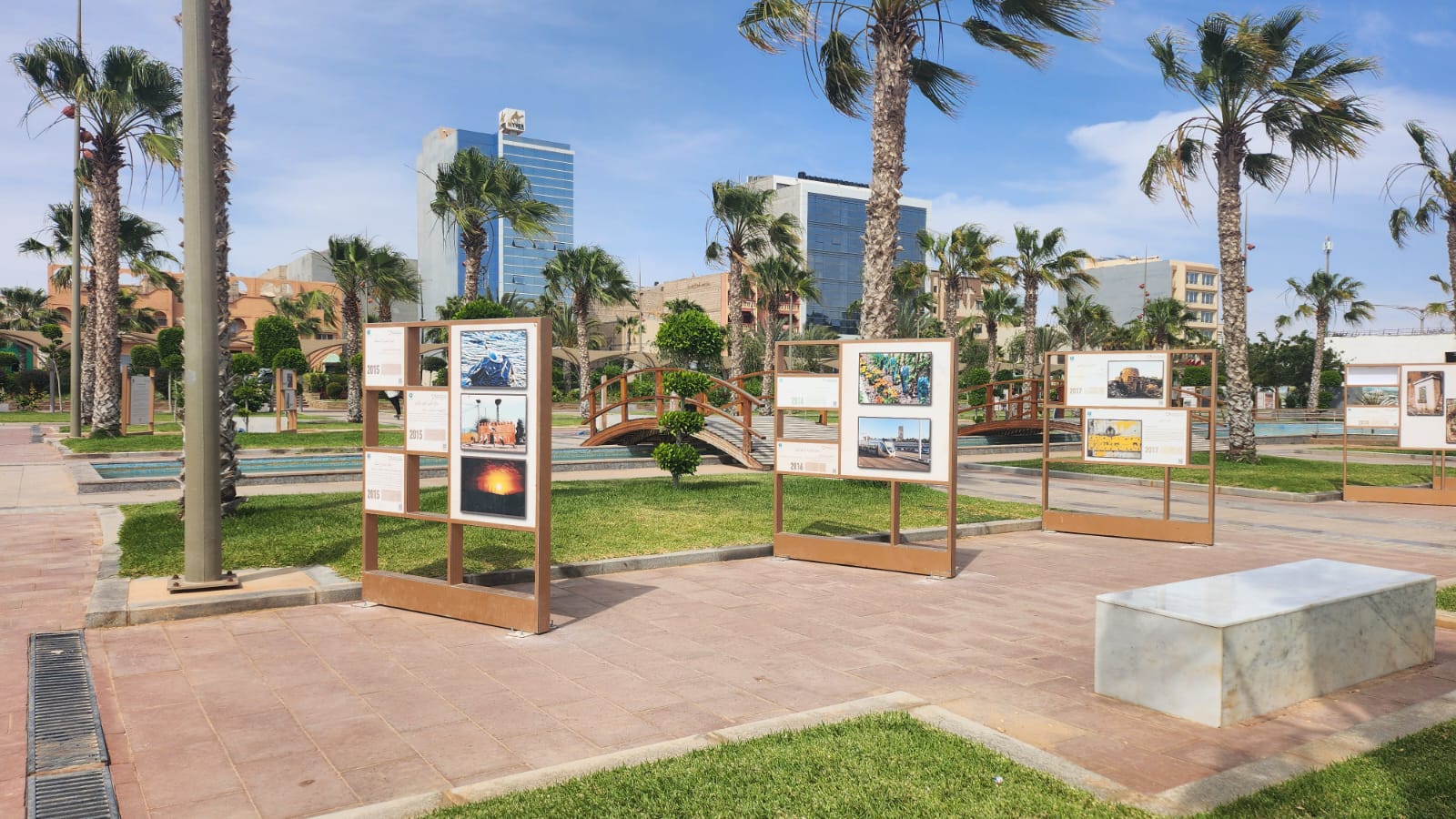
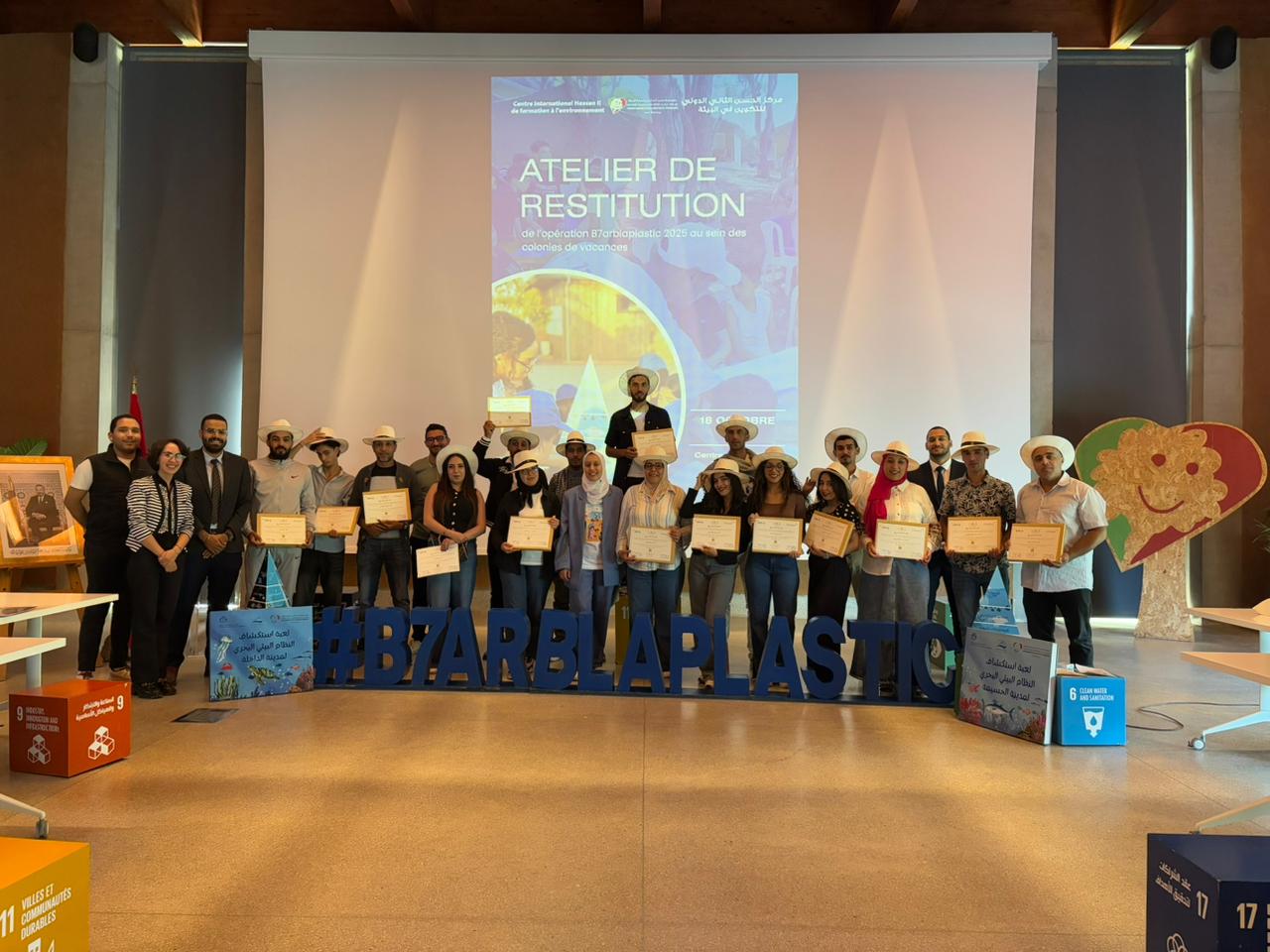







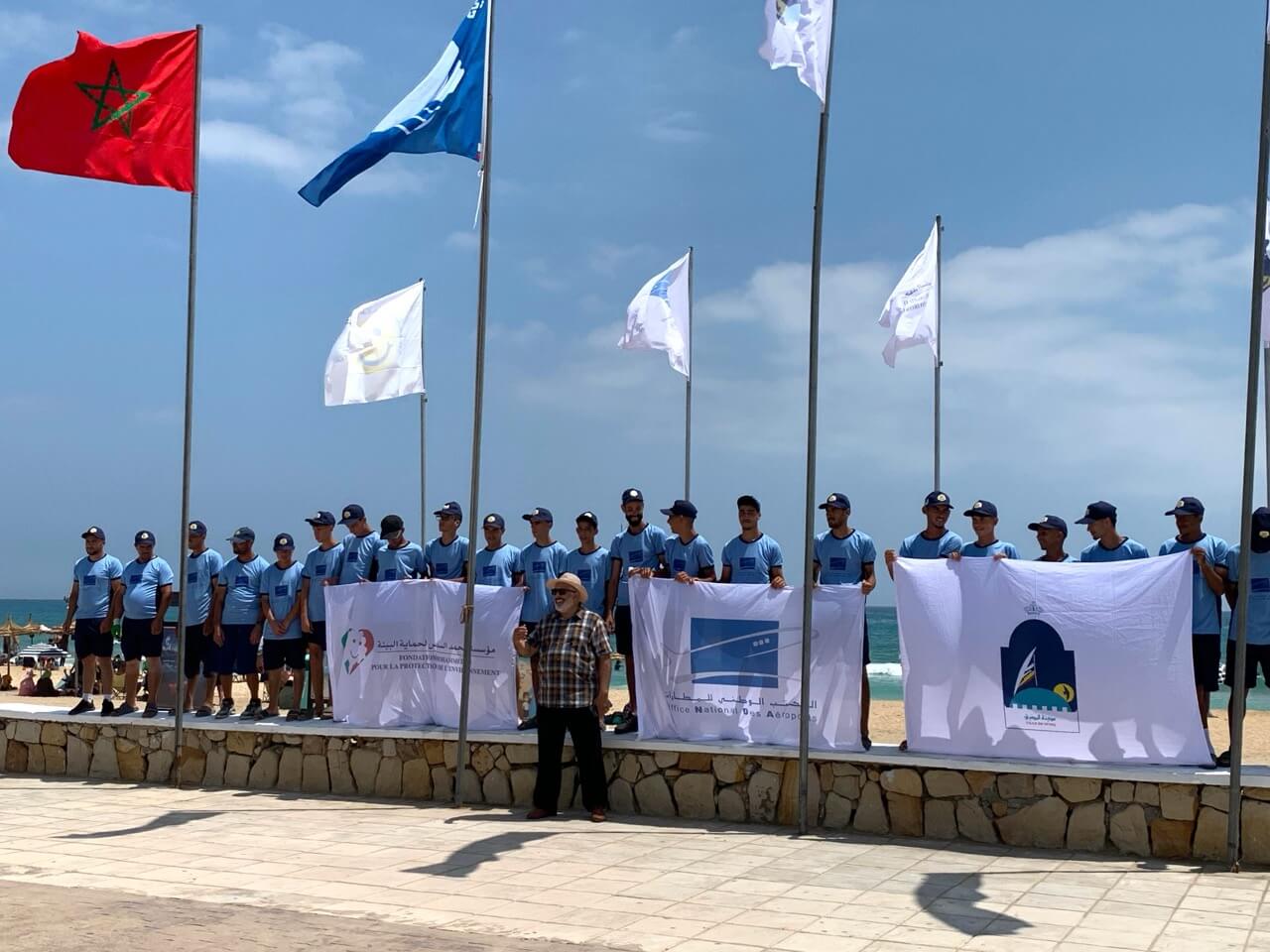


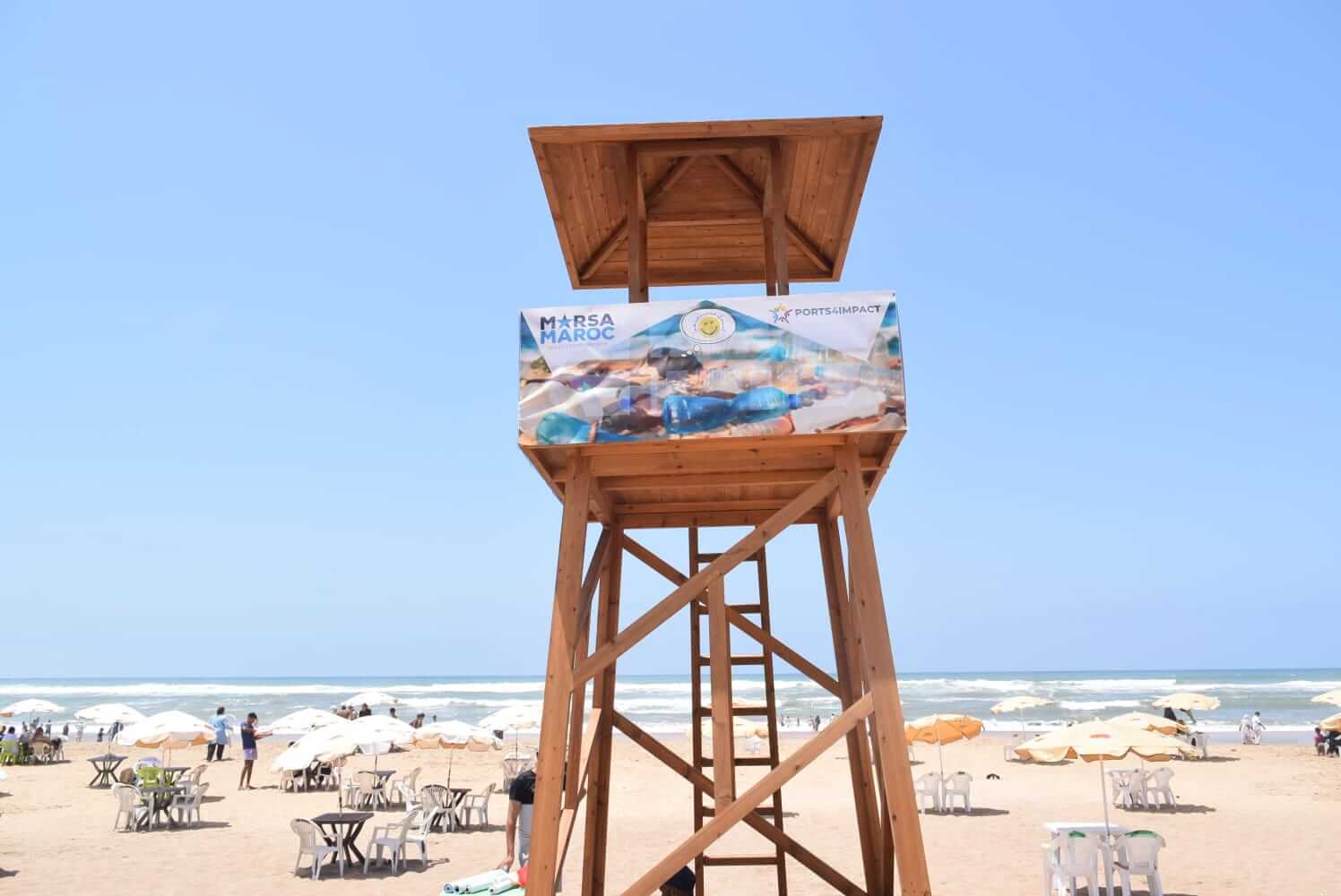


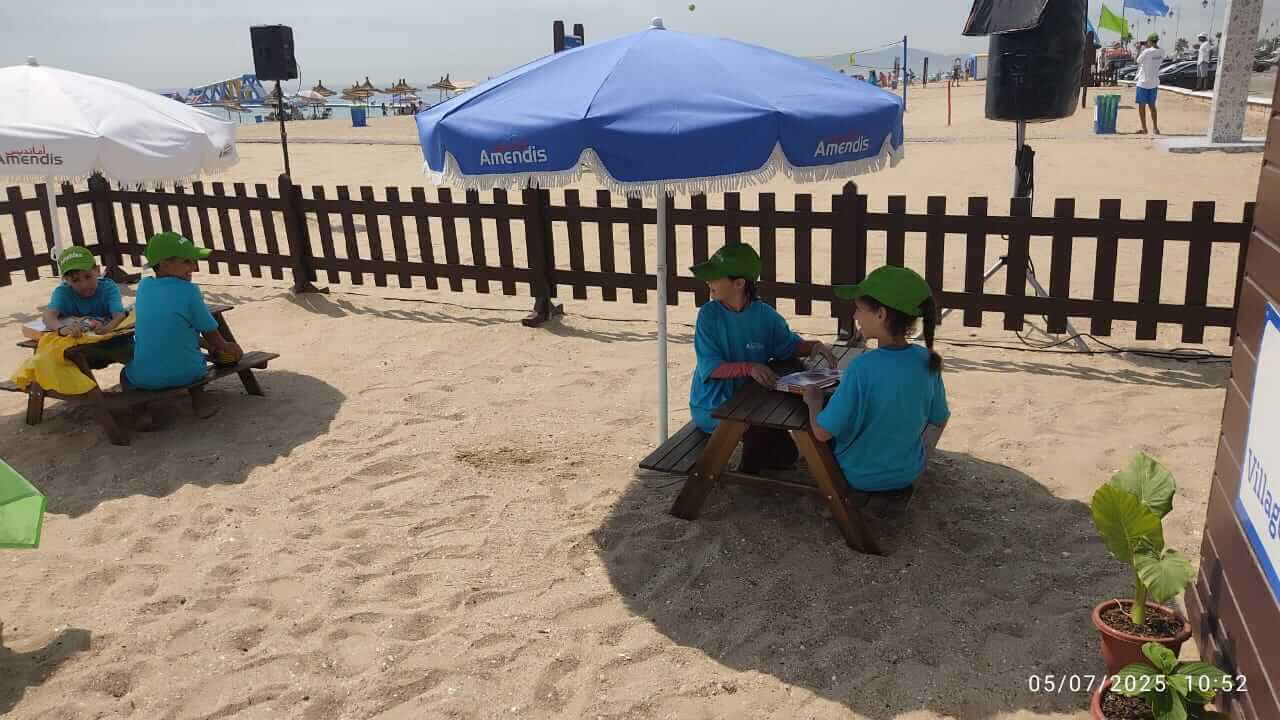


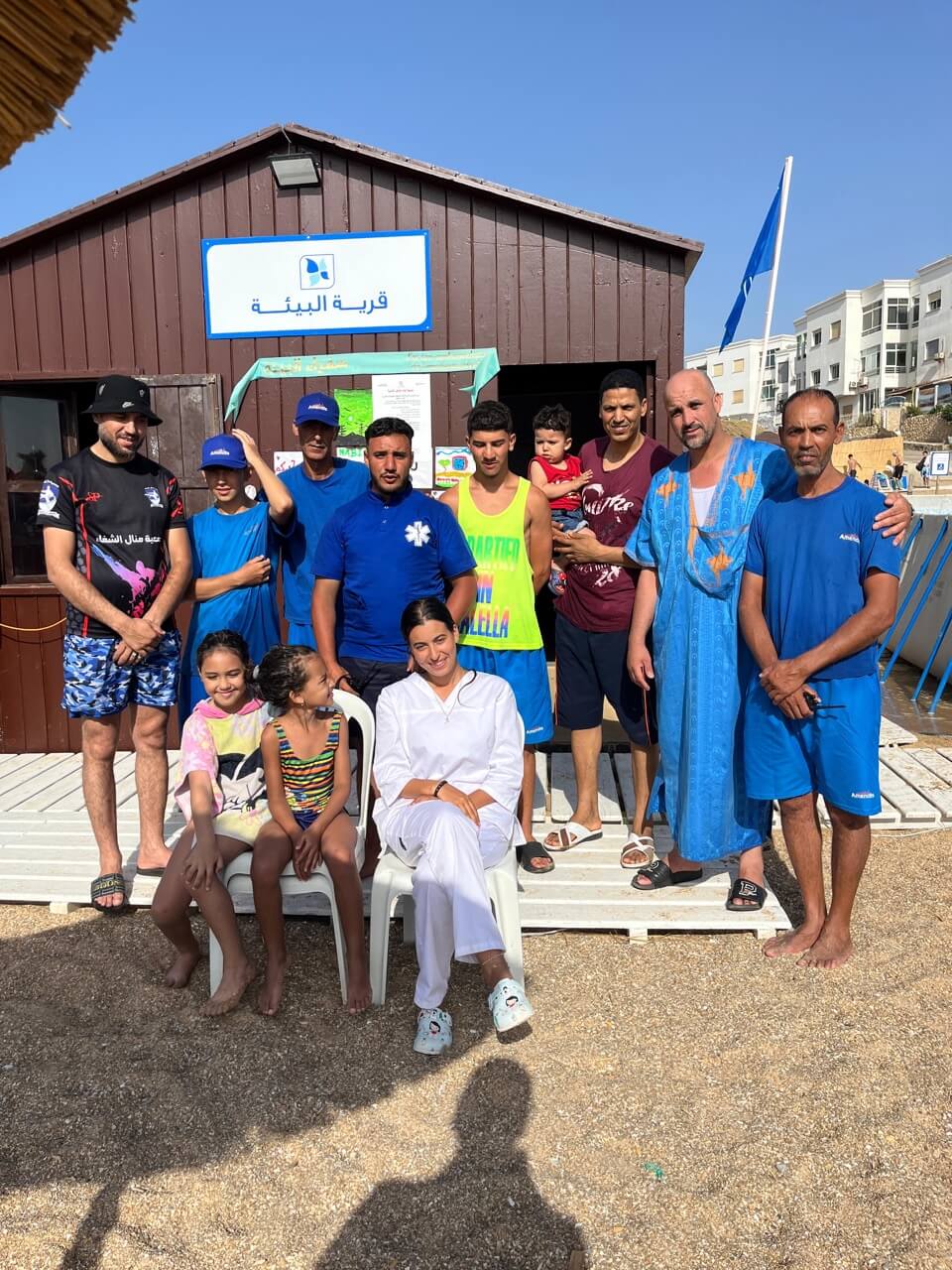


For the 2025 edition, 45 beaches had submitted their applications, illustrating the growing interest of coastal communities in this label, recognized for its contribution to sustainable tourist attractiveness and the promotion of territories.
See the sitesMohammed VI Foundation for Environmental Protection - © All rights reserved - 2025
Fm6e - 2025
Let's all act for a #b7arblaplastic
#b7arblaplastic


