
News
17 Jul 2026
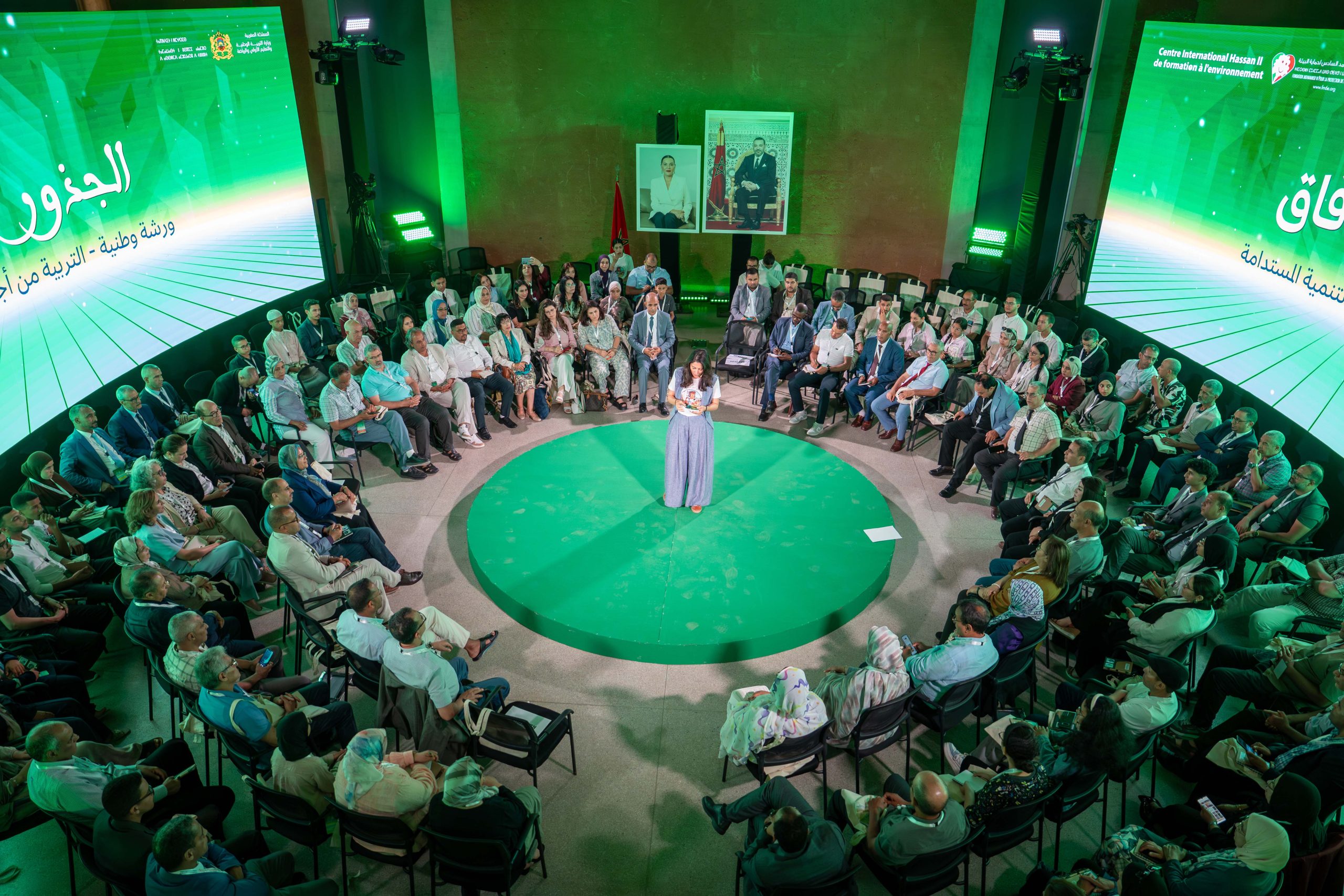
“Roots and Horizons” Fondation Mohammed VI pour la Protection de l’Environnement Brings Together Education for Sustainable Development Stakeholders to Review 2025-2026 Achievements and Chart the Way Forward to 2026-2027



Iconic but long neglected, the palm grove is now protected. The Mohammed VI Foundation for Environmental Protection is now the general contractor of its protection plan and mobilizes all efforts.
In Marrakech, the palm grove is inseparable from its identity. Since its founding in 1064, it has been the city’s nurturing mother. The city drew from the palm grove its food, raw materials for handicrafts, and fuel for its furnaces. It surrounded the city in a green setting up to the foot of the ramparts, where locals recreated and found inspiration and joie de vivre, this splendor celebrated by poets’ and singers’ eloquence.
But it has lost much of its area in less than a century. It now covers between 6,000 and 12,000 hectares, according to the definition provide for its coverage and its characteristics. What remains is deteriorating rapidly. The pace of withdrawal has been accelerating during the last thirty years.
This situation is due to various reasons. The palm grove, formerly the city’s agricultural garden, lost its farmers when they converted into more lucrative businesses, while large modern farms in the Haouz plain took over the agricultural production. Without agriculture, the traditional irrigation system, underground khettaras and surface séguias, was phased out, leaving the palms to their fate. If, on the perimeter of the Tensift river, the roots of palm trees could reach depths of 15 meters to draw water directly from the aquifer, the lowering of the water table of over 40 meters through over- pumping with modern irrigation has deprived the grove of groundwater resources.
Urbanization is another challenge for the palm grove. If a Royal Decree of 1929 theoretically protects the grove, it is under the pressure of tourism, residential and commercial development, operating on exceptions to the master plan. The functioning of douars or villages has also changed: in the past they were primarily agriculture-based and are now becoming urban. Catalyzed by demographics and rural exodus, they have proliferated over the past half-century. Finally, the palm grove, an open space, is a victim of uncontrolled dumping of rubble and garbage, pollution that has accumulated over time.
The alarm was sounded as early as the nineties, with the birth of urbanization. But it was only in 2006 that the Mohammed VI Foundation for Environmental Protection, on the King’s instructions, launched a protection plan and mobilized public and private stakeholders for its success.
This plan began by establishing an institutional mechanism for protection, by strengthening the legal arsenal and ensuring compliance with existing rules, including urban planning. The palm grove surface area has been demarkated, taking its maximum area, equal to 12,000 hectares of which 12 m0 000 contain palm trees.
The Oulja marshes are still preserved from urbanization because they are swampy. They are being classified as a Site of Biological and Ecological Interest (SIBE), which will give it the status of a veritable nature reserve covering 250 hectares, protecting the rich flora and wildlife that live there: 15 mammal species, 24 reptile species and 49 bird species, including some rare ones such as the mongoose, purple herons and squacco herons, or glossy ibis. The SIBE classification will enable the preservation of a remarkable and completely natural site.
The replanting efforts have begun. The municipality established a nursery with a capacity of 80,000 plants per year for replanting. Varieties have been selected for their adaptation to the Marrakech climate. The date palm needs an accumulation of hot days to grow, and only the early varieties succeed. The climate on this side of the Atlas also is colder than on the Saharan side. Bou Feggous, a popular edible variety, was multiplied in vitro and raised in the nursery.
To date, the nursery has produced 660,000 palm trees and 520,000 palm trees have been replanted in five years, more than planned for under the program. It also has stock of 140,000 seedlings.
Nearly 15,000 dead palms were cleared out. A total of 38,000 tons of rubble that had been illegally dumped in the palm grove has been removed, as well as 50 tons of plastic waste. To irrigate the young trees, water tanker trucks were first used. Wells with solar pumps were later installed in the center of the site.
Today, an ambitious irrigation program has been initiated. Two hydrants were installed in the penstock that carries the treated wastewater from the treatment plant to the golf courses, one in the East and another in the West. This system replaces the direct application of untreated wastewater, which was ironically the only regular source of water supply to the swamp. These two water networks taken will irrigate 1,000 hectares in drip irrigation or seguia, an open canal for irrigation. This program will require 100 million dirhams, which presents a problem for funding. 40 million dirhams are financed by RADEEMA, and the Mohammed VI Foundation is mobilizing partners to finance the remaining requirements. The Foundation also established a carbon credit mechanism that enabled large Moroccan companies such as the Caisse de Depot et de Gestion (CDG), ONA, OCP, Lafarge, etc., to fund the planting of 30,000 palm plants.
The slums have been cleared. Outreach efforts for the inhabitants of the palm grove douars were conducted to raise awareness of the issues, in order to make them allies of its protection. The children received bikes; classes are facilitated within the activities of Eco-Schools program and invited to plant palm trees, etc. Social actions, such as the creation of income-generating activities for women of palm grove douars were conducted.
To secure all this work and prevent further pollution, a squad of cavalry auxiliary forces was created. Housed in the heart of the palm grove, twelve mounted guards patrol seven days a week, 24 hours a day to protect the palm grove.
In 2006, the Palm Grove Observatory was created to engage the civil society in the protection process. To restore the enjoyment of the palm grove for city residents, a walking path of 5.2 km was created.
Seven years after the launch of the program, the results are encouraging. The palm grove area has been defined, its assets have been inventoried, and the degradation process has been stopped. Tools for its supervision and protection are in place.
The only downside is that urbanization is difficult to contain. A total of 500 hectares of buildings have been allowed on the site within 20 years. In the absence of an urban plan for the city, which has yet to be published, almost everything seems permissible and recommendations to reduce urbanization in the palm grove have no effect.
رغم أن لبستان النخيل بمراكش رمزيته، فقد تعرض للإهمال لمدة طويلة، لكنه الآن يتمتع بالحماية. وتشرف على هذه العملية حاليا مؤسسة محمد السادس لحماية البيئة التي وضعت مخططا للإنقاذ معبئة كل الطاقات لتحقيق ذلك.
فبالنسبة لمراكش، فإن البستان يعتبر جزءا لا يتجزأ عن هويتها. فمنذ تأسيسه سنة 1064 يعتبر الأم المغذية للمدينة التي كانت تتزود منه بالغذاء والمواد الأولية لصناعتها التقليدية وكذلك الحطب لأفرانها، وكان يحيط بالمدينة مشكلا حزاما أخضرا يصل إلى حد أسوارها حيث يجد السكان متنفسا لهم ومكانا للاستراحة والمرح، واشتهر هذا البستان – البهجة بأنه كان ملاذا للشعراء والمنشدين.
وهناك مجموعة من الأسباب تفسر هذا الوضع. لقد فقد البستان الذي لعب في السابق دور الحديقة الفلاحية للمدينة، مزارعيه الذين تحولوا إلى مهن مربحة أكثر بينما حلت الاستغلاليات العصرية الكبيرة بهضبة الحوز محله في الإنتاج الغذائي.
وفي غياب الفلاحة، تم التخلي تدريجيا عن شبكات السقي بما في ذلك الخطارات المدفونة والسواقي السطحية تاركة أشجار النخيل تواجه مصيرها. وإذا كانت جذور أشجار النخيل بحوض تانسيفت تنزل ب15 متر تحت الأرض لتصل إلى الفرشاة المائية، فإن نضوب هذه الأخيرة وانخفاضها ب 40 متر بسبب تكثيف الضخ العصري حرمها من هذا المورد الجوفي.
وفي نفس الاتجاه، شكل التوسع الحضري عاملا أساسيا في تقليص مساحات البستان، فإذا كان هذا الأخير محميا نظريا بظهير 1929 فإنه تعرض لضغط التمدن من أجل إنشاء بنايات سياحية وسكنية وتجارية كاستثناءات للمخطط التوجيهي. وبهذا تغيرت وظيفة الدواوير من فلاحية بالأمس إلى حضرية اليوم. وقد توسعت منذ نصف قرن بفعل النمو الديمغرافي والهجرة القروية. وفي الأخير، وبما أن بستان النخيل هو عبارة عن فضاء مفتوح، فقد بدأ هذا المخطط بوضع إطار مؤسساتي للحماية، بواسطة تقوية الترسانة القانونية مع احترام القوانين المعمول بها خاصة في مجال التمدن. وقد حددت مساحة البستان في 12000 هكتار كحد أقصى وتضم 120000 نخلة.
فمنطقة الولجة، التي ما تزال محمية ضد التمدن بسبب المستنقعات، هي في طور تصنيفها كموقع ذو منفعة بيولوجية وبيئية، وهي التي ستشكل محمية طبيعية تمتد على مساحة 250 هكتار لحماية النباتات والحيوانات الغنية التي تعيش فيها: 15 نوع من الثدييات و 24 من الزواحف و 49 من الطيور من بينها أنواع نادرة مثل النمس والمالك الحزين الأرجواني وسرطان البحر وطائر أبو منجل. فتصنيفها كموقع ذو منفعة بيولوجية وبيئية يمكن من حماية موقع متميز لا مثيل له اليوم وطبيعي مائة في المائة.
ومما يؤكد ذلك انطلاق عملية إعادة غرس النخيل، ولهذا الغرض أنشئ مشتل من طرف بلدية مراكش بقدرة إنتاجية تقدر ب 80000 شجيرة نخيل موجهة لإعادة غرسها. وتم اختيار عدة أنواع قابلة للتأقلم مع مناخ المدينة. فنخيل التمر يحتاج إلى حرارة عدة أيام لكي يكون مثمرا، ولا يتمكن من ذلك إلا نخيل التمر المبكر بحيث أن الطقس في جهة الأطلس أكثر برودة من جهة الصحراء. ولذلك فقد تم العمل على مضاعفة زراعة شتائل بوفقوص المتميز الطعم في الأنابيب الزجاجية لتنشأ بعد ذلك في المشتل. فإلى غاية الآن، تم إنتاج 660000 شتلة فيما تم إعادة غرس 520000 شتلة في ظرف 5 سنوات وهو ما يفوق ما كان متوقعا في المخطط. ويتوفر المشتل على مخزون يتكون من 140000 شتلة بينما تم إزاحة 15000 نخلة ميتة. وأزيلت من البستان 38000 ألف طن من الأنقاض الملقاة فيه بطريقة غير قانونية كما تمت إزالة 50000 طن من النفايات البلاستيكية. ومن أجل سقي شجيرات النخيل تم في البداية استعمال الشاحنات الصهريجية وبعد ذلك تم إحداث آبار بعين المكان تسحب منها مياه السقي بمضخاة تعمل بالطاقة الشمسية.
وفي الوقت الراهن بدأ العمل ببرنامج سقي طموح. وبالإضافة إلى ذلك أحدث صنبوران واحد في الشرق وواحد في الغرب لجلب المياه بواسطة قنوات الضخ التي تسحبها من محطات المعالجة نحو ملاعب الكولف. فبالنسبة للصنبور الغربي فإنه يمكن من تعويض توقف الانتشار المباشر لمياه الصرف الصحي الذي كان يشكل بطريقة غير معقولة المورد الوحيد من الماء للمستنقع. هذان الصنبوران يمكنان من سقي 1000 هكتار إما عن طريق التنقيط أو عن طريق السواقي.
إن هذا البرنامج يحتاج إلى 100 مليون درهم مما يطرح إشكال تمويله، ومن ضمنها 40 مليون درهم كمساهمة للوكالة المستقلة لتوزيع الماء والكهرباء بمراكش في الوقت الذي سعت مؤسسة محمد السادس إلى تعبئة شركائها من أجل تنفيذ البرنامج المتبقي. فقد وضعت مثلا آلية ائتمان الكربون التي مكنت من غرس 30000 نخلة من طرف كبريات المقاولات المغربية وصندوق الإيداع والتدبير والمكتب الوطني للمطارات والمكتب الشريف للفوسفاط ولافارج إلخ…
لقد تم تقليص حجم السكن غير اللائق بالإضافة إلى تحسيس سكان الدواوير ببستان النخيل بحجم التحديات من أجل التحالف لحمايته. وحصل الأطفال على دراجات هوائية وتم تأطير الأقسام في إطار أنشطة برنامج المدارس البيئية ودعوا إلى غرس أشجار النخيل. كما تم القيام بأعمال اجتماعية تمثلت في خلق بعض الأنشطة المذرة للدخل لفائدة نساء دوار البستان.
ومن أجل تأمين كل هذه الأشغال ومنع أي تلوث جديد تم إحداث فريق فرسان القوات المساعدة يقيم داخل البستان ويتكون من 12 حارس يقومون بدوريات سبعة أيام في الأسبوع 24 ساعة على 24 ساعة لحماية البستان.
وفي 2006، تم إنشاء مرصد لبستان النخيل بمراكش من أجل إدماج المجتمع المدني في جميع مراحل الحماية. ومن أجل استعادة تمتيع سكان المدينة بالبستان تم إحداث طواف للمشي يمتد على مسافة 5.2 كلم.
وبعد سبع سنوات لانطلاق البرنامج كانت النتائج مشجعة. فقد حددت المساحة وتم جرد المحتويات وتوقف مسلسل التدهور كما أحدثت وسائل المراقبة والحماية.
إلا أن الجانب السلبي الوحيد يتمثل في عدم القدرة على حصر توسع التمدن. فقد تم الترخيص لإنشاء المباني بهذه المنطقة على مساحة 500 هكتار في ظرف 20 سنة. وفي غياب تصميم حضري للمدينة، الذي يتطلب إشهاره، فإن كل شيء تقريبا مسموح به ولهذا فإن التوصيات للحد من توسيع التمدن بالبستان تبقى بدون فعالية.

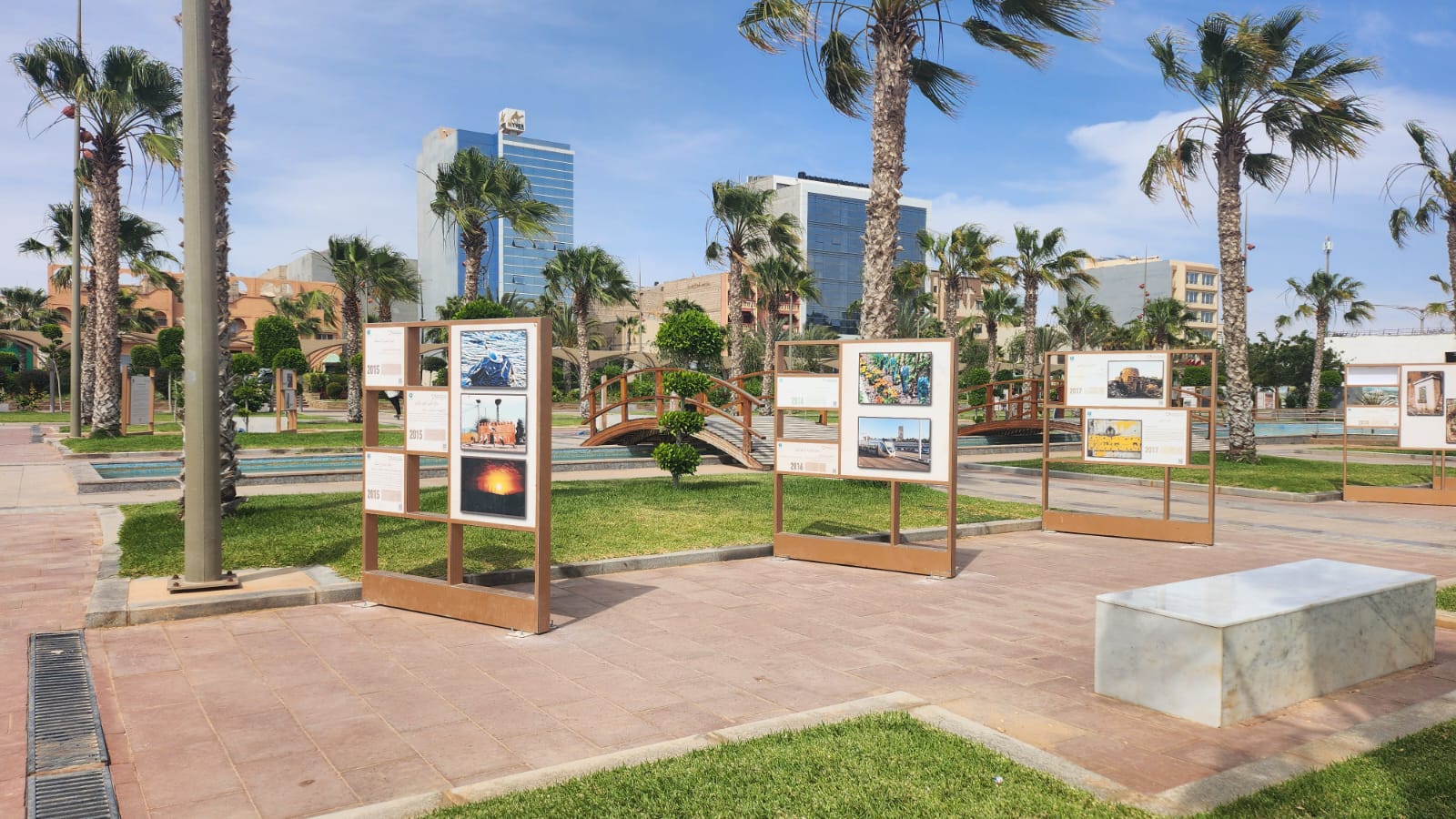







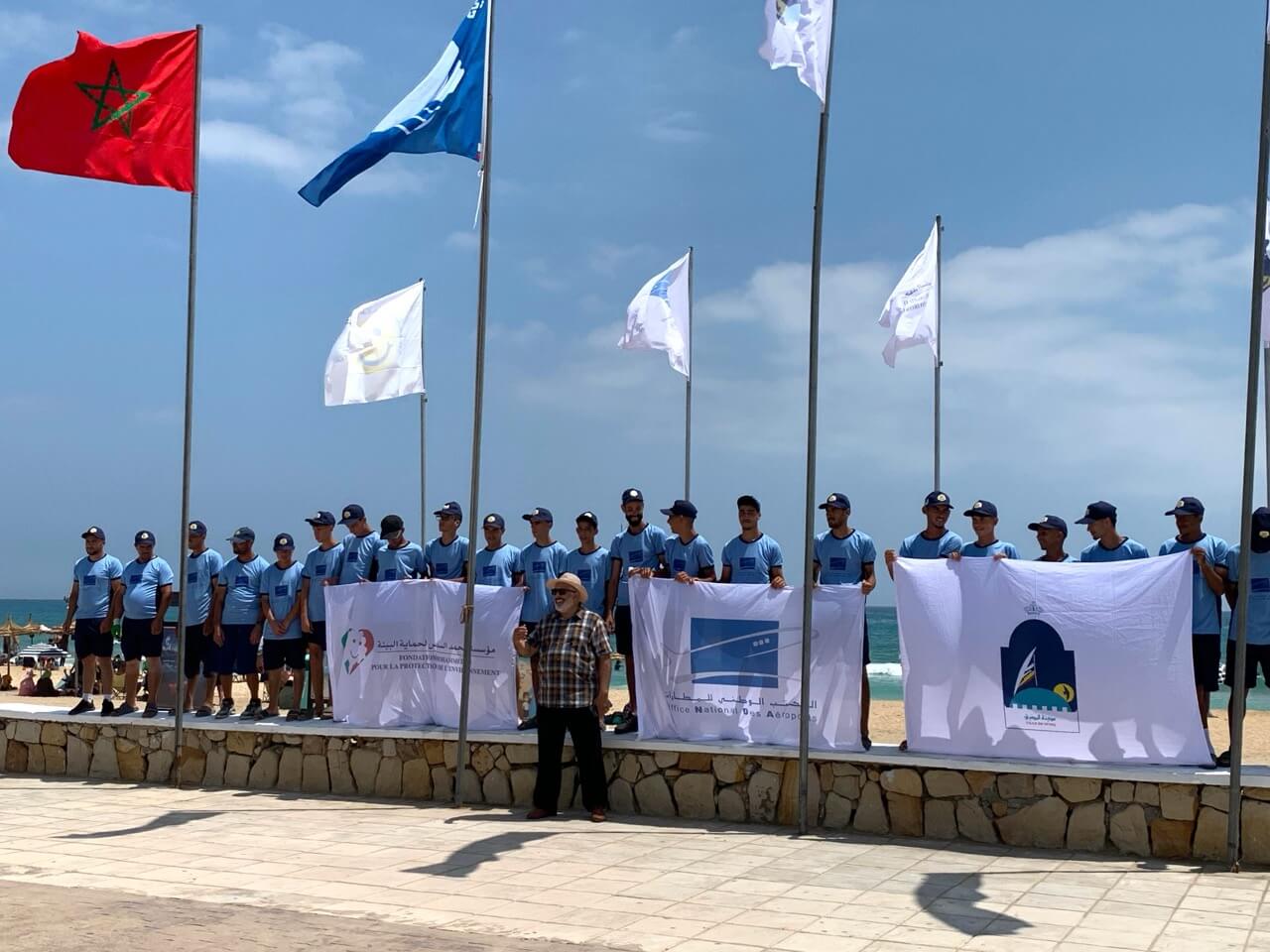


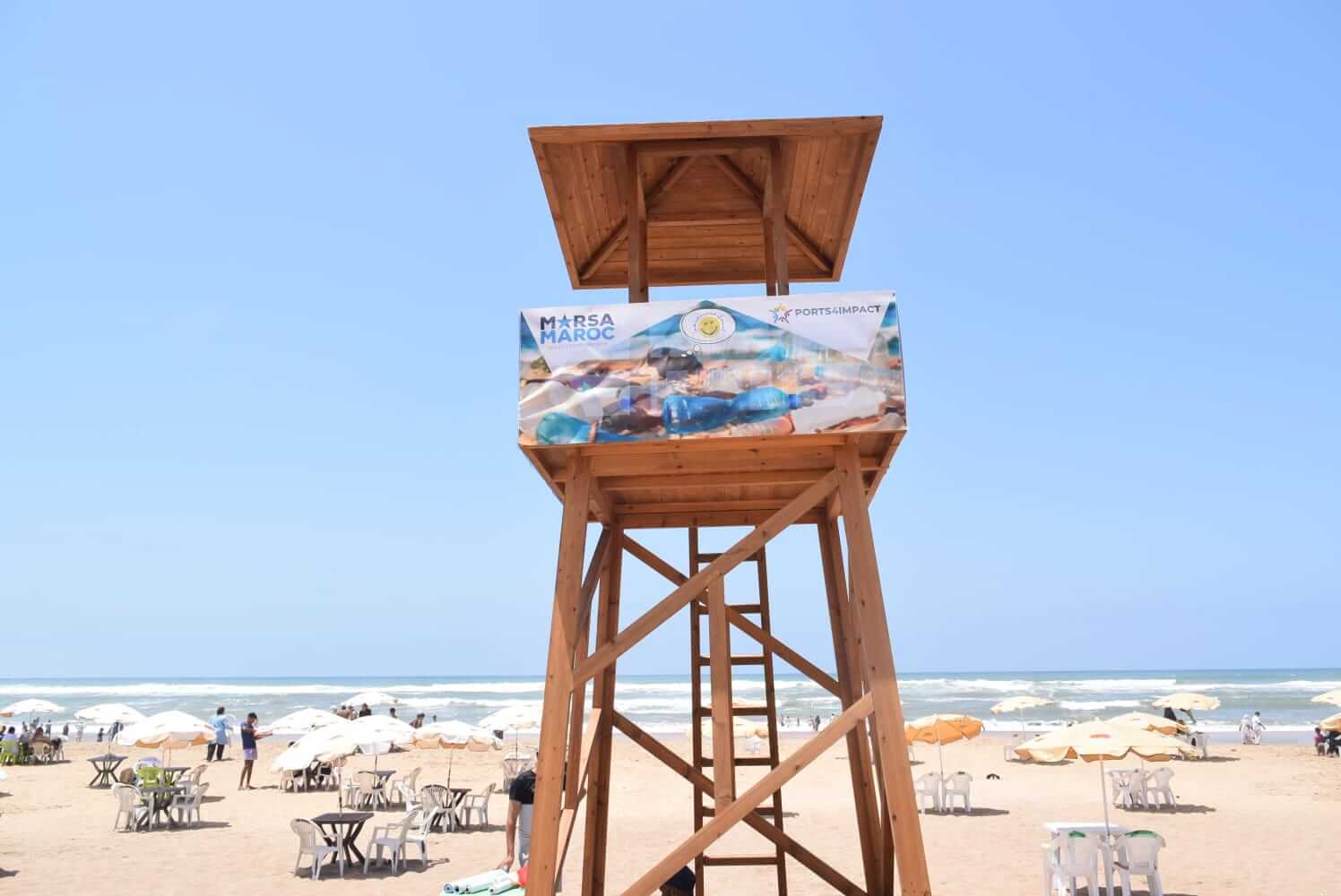


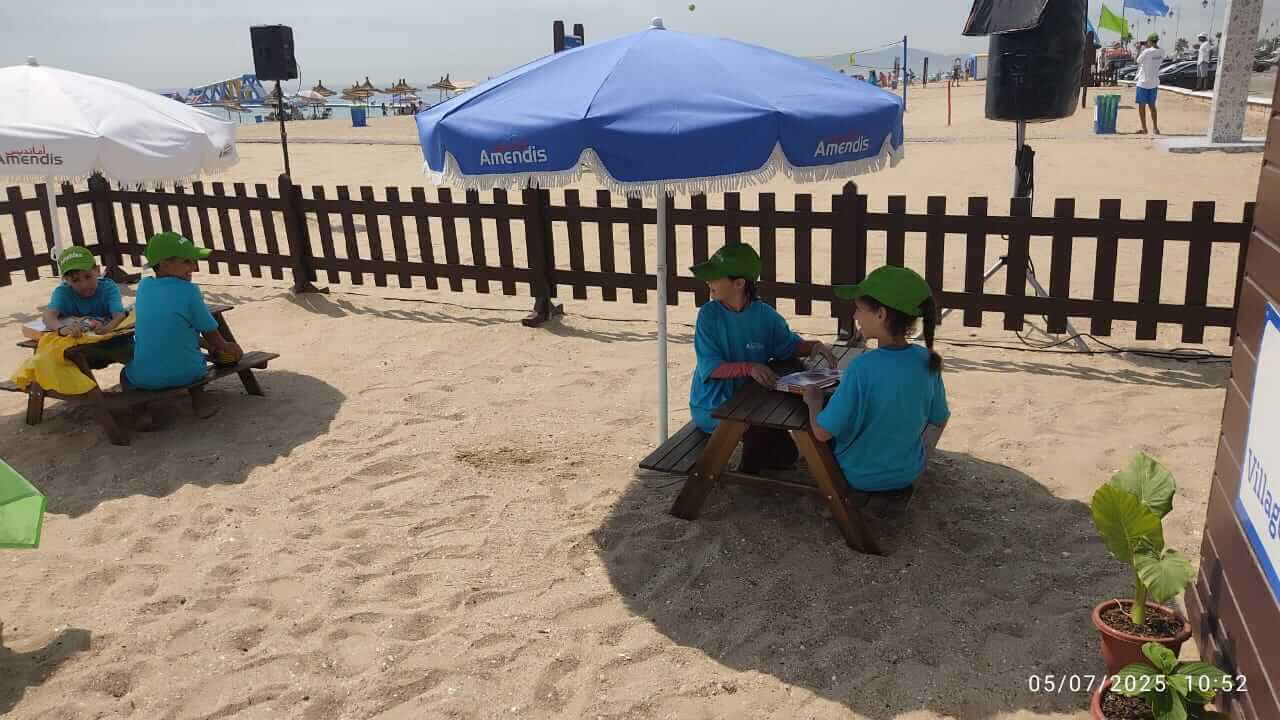


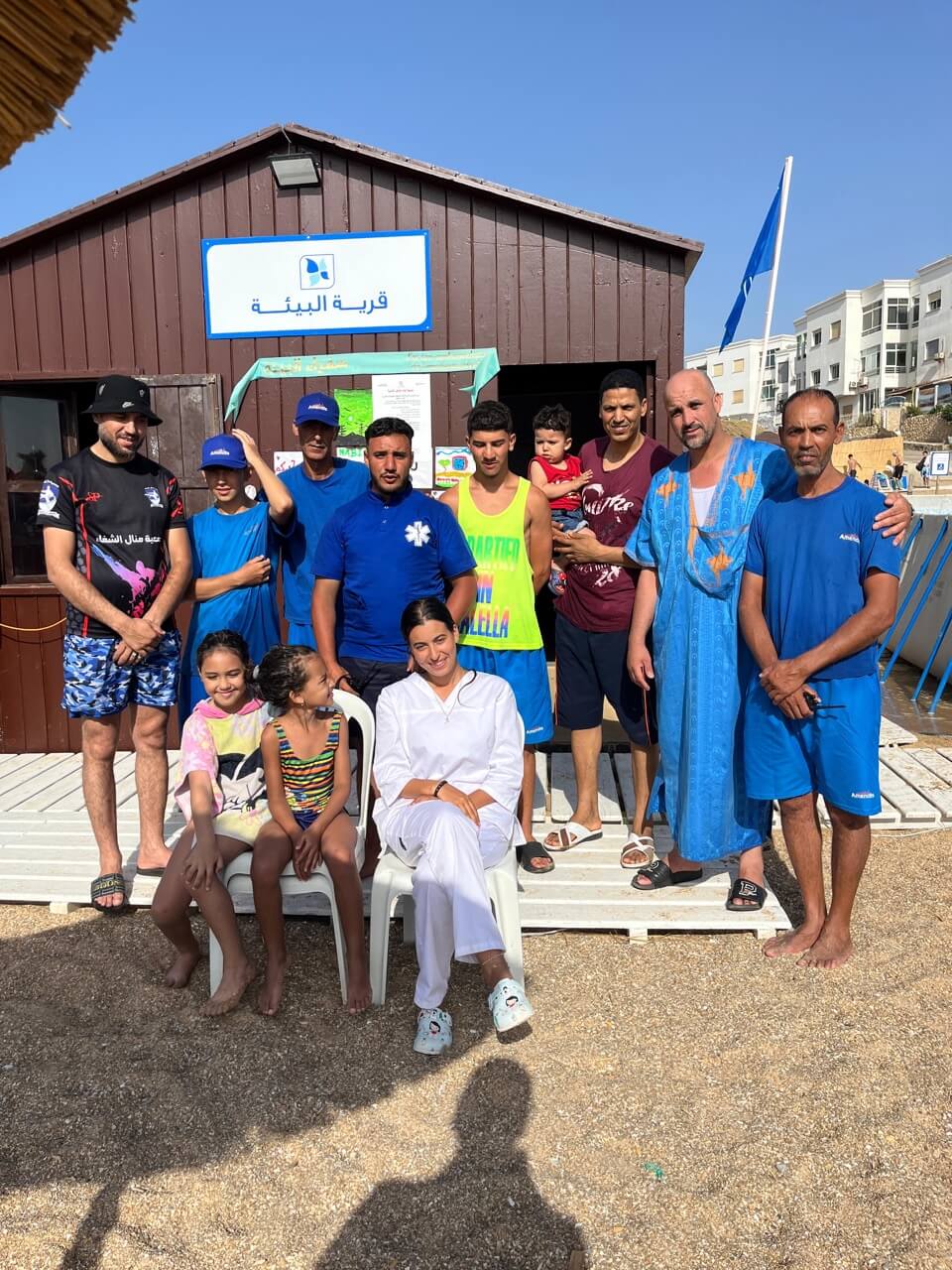


For the 2025 edition, 45 beaches had submitted their applications, illustrating the growing interest of coastal communities in this label, recognized for its contribution to sustainable tourist attractiveness and the promotion of territories.
See the sitesMohammed VI Foundation for Environmental Protection - © All rights reserved - 2025
Fm6e - 2025
Let's all act for a #b7arblaplastic
#b7arblaplastic


