
08 Dec 2023
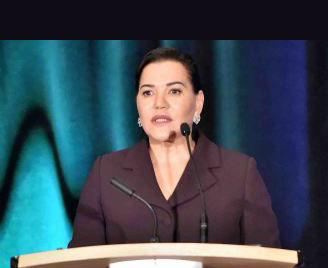
High Level Session on Greening Education Partnership – Friday, December 8, 2023



The Mohammed VI Foundation for the Protection of the Environment adopted the “Qualit’Air” programme in 2002. It has, since its inception, sought to achieve two major objectives:
1. involving all the nation’s productive forces in its activities;
2. arousing public awareness about the importance of the protection of the environment. We are convinced that such objectives can only be achieved through consultation and coordinated and concerted action. We would like our gathering today to serve as a landmark and a reference in all matters concerning the preservation of air quality. This is an opportunity for us to report on our achievements, as well as our plans and aspirations for the future.
Ladies and Gentlemen,
Mobilising all partners concerned by the preservation of the quality of the air, the Foundation has managed, over the last three years, to carry out significant activities, putting special emphasis on fighting pollution generated by transportation means.
Various surveys carried out on the subject have shown that atmospheric pollution in many cities in the Kingdom have reached intolerable levels. Noxious emissions from ageing and obsolete cars are considered to be the major pollutant and the key cause of respiratory diseases.Thus, the Foundation has, first, identified the steps that should be taken in this field, mainly:
1. seeking improved fuel grade;
2. training technical inspection staff and car mechanics;
3. enforcing tighter tests at technical inspection centres and prompting the latter
to purchase adequate equipment;
4. initiating a large-scale awareness raising campaign, for the general public
and, particularly the motorists;
5. encouraging the use of LPG fuel.
The Foundation was prompt to take steps to ensure the success of the “Qualit’Air” project. Based on its committee’s recommendations, it has, in conjunction with its partners, and concurrently with government efforts, carried out concrete actions aimed basically at:
· marketing clean fuel, called Diesel 350 ppm, in Morocco;
· securing exhaust fumes measuring devices for technical inspection centres to enable them to carry out tougher control and testing;
· banning the import of scrapped buses by city transportation Authorities and chartered companies;
· enforcing the 1998 government decree pertaining to exhaust fumes.
Aside from the above steps, the second focus was on training and awarenessraising activities. Thus, the Foundation has, in partnership with the General Directorate for local communities and the Office for vocational training and employment promotion (OFPPT), developed a training programme for a wide range of actors involved in different stages of air pollution resulting from gas fumes. These include garage owners, technical inspectors, control agents, and officers in charge of drafting fining reports.
As for awareness-raising activities, the Foundation prepared a comprehensive survey and came up with documents spelling out interesting data about air pollution and its impact on health and environment, as well as recommendations on how to curb nuisances caused by this type of gas. The documents were sent to motorists, garage owners and NGOs. Moreover, a training and awareness-raising programme for youth and school pupils has been developed in conjunction with the Ministry of Education and UNDP which has put the “Qualit’Air” project on its agenda concerning climatic change.
In this connection, the Foundation launched, in 2005, a significant, nationwide campaign, setting up checkpoints to gauge exhaust fume emissions, on the main Tangier-El Jadida road, the most crowded in the nation’s network. The aim is to inform motorists of the rate of gas fumes emitted by their cars, and provide them with advice and guidance on car maintenance and engine tuning requirements. Thiscampaign has made it possible to collect valuable data on the general condition of the vehicles in circulation nationwide.
However, it should be pointed out that, although gas fumes are a major contaminant, they represent just one of many other air pollutants; hence, the Foundation has taken additional steps to set up and develop air quality monitoring networks in major cities. They are meant to collect basic information which might help devise solutions to the scourge of pollution. In addition to Casablanca and Rabat, which already have such facilities, other stations will be set up in the first months of this year at Kenitra, Salé, Mohammedia, El Jadida and Safi.
Ladies and Gentlemen,
Three years of joint efforts with our partners, have made it possible to achieve concrete and promising results. I should like to take this opportunity to convey my deepest appreciation to all stakeholders for their dedicated involvement in the implementation of the Foundation’s programme. Special thanks go to the ministries of Energy, Environment and Transport, as well as to the Walis of the most vulnerable regions, the General Directorate for local authorities, the National Meteorological Directorate, the OFPPT, UNDP, the Moroccan Mamda insurance company, the Royal Gendarmerie, the police and the Automobile Federation.
The Mohammed VI Foundation for the Protection of the Environment pins great hopes on the initiative of the “Qualit’Air” programme. It is confident it can count on its partners’ support to implement, in the short run, a wide range of decisive actions which are essential for the preservation of the quality of our environment. These include:
· expanding the network for monitoring and measuring air quality at national level;
· setting up an inner city transport system to ensure smooth traffic and curb exhaust fume concentrations;
· improving public transport;
· using new types of fuel and probing new technologies;
· creating green areas and pedestrians precincts;
· integrating the “Qualit’Air” programme into the World Bank’s “Clean Air Initiative” and into the project for the reduction of polluting emissions in the transport sector in three Maghreb countries.
To conclude, I wish to stress again that the Foundation is determined to carry on with its efforts jointly with all players concerned in the country, for the protection of our environment. It is the Foundation’s hope to be worthy of the trust placed in it by the nation’s leader, His Majesty King Mohammed VI, may God help him. I pray that the Almighty grant us success and guide us on the right path.
Wassalamu alaikum warahmatullahi wabarakauh.
H.R.H. Princess Lalla Hasna President of the Mohammed VI Foundation for the Protection of the Environment.
لقد تبنت مؤسسة محمد السادس لحماية البيئة برنامج جودة الهواء في يناير 2002، والمؤسسة منذ تأسيسها اهتمت بشيئين أساسين لإنجاز أهدافها هما :
• إشراك كل القوى الحية في البلاد
• تحسيس المواطنين بأهمية حماية البيئة
إيمانا منها أن التشاور والتنسيق والعمل الجماعي هم السبيل الوحيد لبلوغ تلك الأهداف. ونود أن نجعل من لقائنا اليوم مرجعا لكل ما يرتبط بالحفاظ على جودة الهواء، نطرح فيه ما أنجزناه وما نطمح إلى تحقيقه في المستقبل.
حضرات السيدات والسادة
لقد تمكنت المؤسسة بفضل تعبئة شركائنا المعنيين بالحفاظ على جودة الهواء، من القيام خلال السنوات الثلاث الماضية بأنشطة هامة ركزت أساسا على مواجهة التلوث الناتج عن وسائل النقل.
ذلك أن الدراسات المنجزة بينت أن التلوث في العديد من مدن المملكة يصل إلى مستويات قياسية لا سيما في المجال الحضاري. كما خلصت إلى أن الغازات الضارة المنبعثة من عوادم السيارات المتقادمة تشكل عنصر التلوث الرئيسي والسبب الأساسي في الإصابة بأمراض الجهاز التنفسي.
لذلك قامت المؤسسة في بداية الأمر بتحديد عدد من الأنشطة التي ينبغي القيام بها في هذا الإطار والمتمثلة في :
• تحسين جودة الوقود
• تكوين أعوان المراقبة وأرباب المرائب
• القيام بمراقبة أكثر جدية للسيارات في مراكز الفحص التقني، وحث هذه المراكز على التزود بآلات مناسبة
• القيام بالتحسيس على أوسع نطاق ممكن لفائدة المواطنين عموما والسائقين على وجه الخصوص
• التشجيع على استعمال محروقات جديدة (GPL).
كما تحركت المؤسسة بسرعة لضمان نجاح مشروع “جودة الهواء” فشرعت بناءا على توصيات لجنتها وبالتشاور مع شركائها ومواكبة لجهود السلطات العمومية، في القيام بعمليات ملموسة صبت في اتجاهين، يتمثل أولهما في الآتي :
• جلب الوقود النظيف المسمى ديزل ppm 350 إلى السوق المغربي
• توفير ألآت قياس العوادم لفائدة مراكز الفحص التقني حتى يتسنى لها إجراء مراقبة أكثر دقة للسيارات.
• منع وكالات النقل الحضري والشركات الوكلية من استيراد حافلات غير صالحة للاستعمال
• تطبيق المرسوم الخاص بغازات العوادم الصادر سنة 1998.
أما الاتجاه الثاني فيتمثل في السهر على التكوين والتحسيس.
فبالسنة للتكوين، أقامت المؤسسة شراكة مع المديرية العامة للجماعات المحلية مكتب التكوين المهني وإنعاش الشغل لإنجاز برنامج تكوين شكل مختلف المتدخلين المعنيين بمراحل تلوث الهواء بسبب غازات العوادم، وهم أرباب مرائب إصلاح السيارات والعاملون في مراكز الفحص التقني وأعوان المراقبة والأعوان المكلفون بتحرير محاضر المخالفات. أما بالنسبة للتحسيس، فقد أعدت دراسة شاملة وضعت نتائجها في وثائق تضمنت معلومات مفيدة حول تلوث الهواء وانعكاساته على الصحة والبيئة، وتوصيات تهدف إلى الحد من الأضرار الناجمة عن هذا النوع من الغازات، وقد وجهت هذه الوثائق إلى السائقين وأصحاب مرائب السيارات وجمعيات المجتمع المدني.
ومن جهة أخرى، وضع برنامج للتكوين والتحسيس موجه للشباب والتلاميذ في المدارس بشراكة مع قطاع التربية الوطنية وبرنامج الأمم المتحدة للتنمية الذي يدرج مشروع جودة الهواء ضمن برنامجه الخاص يالتغيرات المناخية.
كما أن المؤسسة قامت سنة 2005 بإطلاق حملة وطنية للمراقبة في الهواء الطلق على محور طنجة/الجديدة، باعتباره الأكثر كثافة في شبكتنا الطرقية، وذلك بهدف إطلاع السائقين على نسبة الغازات المنبعثة من سياراتهم وكذا تزويدهم بالنصائح التي توضح كيفية العناية بالسيارات وضبط محركاتها، على إثر هذه الحملة أمكن الحصول على معطيات هامة حول الحالة التي توجد عليها السيارات الصعيد الوطني.
وتجدر الإشارة إلى أن غازات عوادم السيارات رغم دورها الكبير في تدهور جودة الهواء لا تمثل سوى نسبة من الحجم الإجمالي لانبعاثات أخرى ملوثة. لذا قامت المؤسسة بعمليات تهدف إلى إحداث وتطوير شبكات محلية لرصد جودة الهواء داخل المدن الرئيسية للمملكة قصد الحصول على معطيات أساسية تساعد على إيجاد حلول لآفة التلوث.
وقد تم تفعيل هذه العملية في الدار البيضاء والرباط، وسيتم توسيع نطاقها خلال الأشهر الأولى من هذا العام لتشمل مدن القنيطرة وسلا والمحمدية والجديدة وأسفي.
حضرات السيدات والسادة
لقد مكنت ثلاث سنوات من العمل والتعاون مع شركائنا من الحصول على نتائج ملموسة وواعدة بالنسبة للمستقبل. وأود بهذه المناسبة أن أتقدم بخاص شكري لكافة المتدخلين لمساهمتهم في تجسيد برنامج المؤسسة لاسيما قطاعات الطاقة والبيئة والنقل وولاة الجهات الأكثر تعرضا لهذه الآفة والمديرية العامة للجماعات المحلية و مديرية الأرصاد الجوية ومكتب التكوين المهني وإنعاش الشغل وبرنامج الأمم المتحدة للتنمية والتعاضدية الفلاحية المغربية للتأمين والدرك الملكي والشرطة وفيدرالية السيارات.
وتجدر الإشارة إلى أن مؤسسة محمد السادس لحماية البيئة تعقد أمالا عريضة على المبادرة الخاصة ببرنامج “جودة الهواء” وتطمح إلى إمكانية التعويل على شركائها لتجسيد مجموعة من الأنشطة الحاسمة التي ينبغي القيام بها في المستقبل القريب نظرا لأهميتها في الحفاظ على جودة بيئتنا ونذكر منها على الخصوص.
• توسيع نطاق شبكة رصد وقياس جودة الهواء على الصعيد الوطني.
• وضع خطة للتنقل داخل المجال الحضري بهدف ضمان السلاسة لحركة السير والحد من الكثافة العالية لغازات عوادم السيارات.
• تحسين النقل العمومي.
• استخدام أنواع جديدة من المحروقات ودراسة إمكانية الاستفادة من تكنولوجيات جديدة.
• تهيئة فضاءات خضراء وأزقة للراجلين.
• إدماج برنامج “جودة الهواء” في مبادرة البنك العالمي المسماة ” مبادرة لهواء نظيف ” ( Clean Air Initiative) وفي مشروع الحد من انبعاث الملوثات في قطاع النقل لثلاث دول من المغرب العربي.
وأود في الختام تذكيركم بعزم المؤسسة الراسخ على العمل بدون كلل ومواصلة الجهود التي بذلتها بتعاون مع جميع الفاعلين في بلادنا لكي نحمي بيئتنا ونرقى إلى مستوى الثقة التي تحظى بها المؤسسة من لدن قائدنا الهمام صاحب الجلالة الملك محمد السادس أيده الله.
كما أسأل العلي القدير أن يكلل أعمالنا بالنجاح ويهدينا سواء السبيل.
والسلام عليكم ورحمة تعالى وبركاته








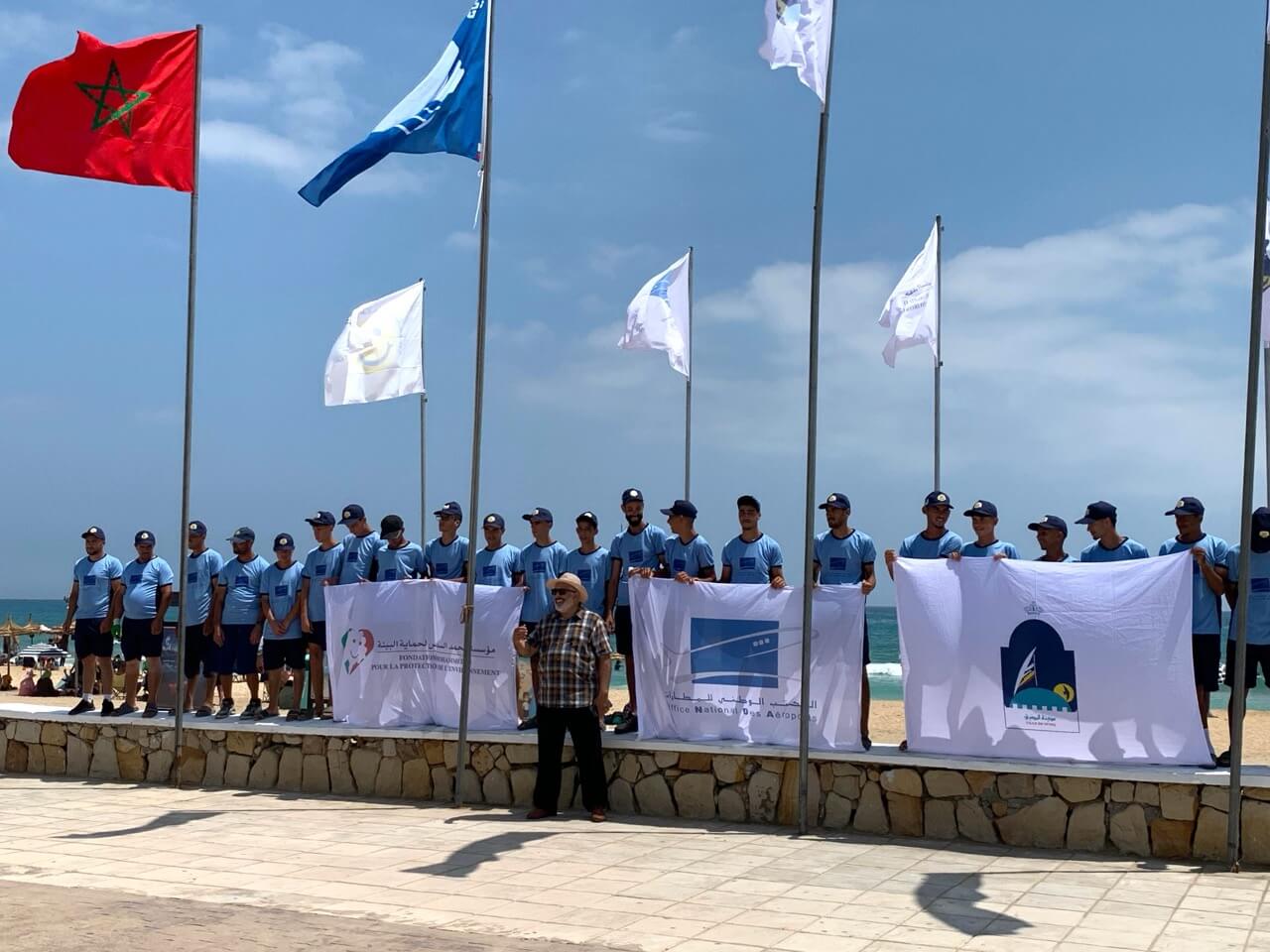


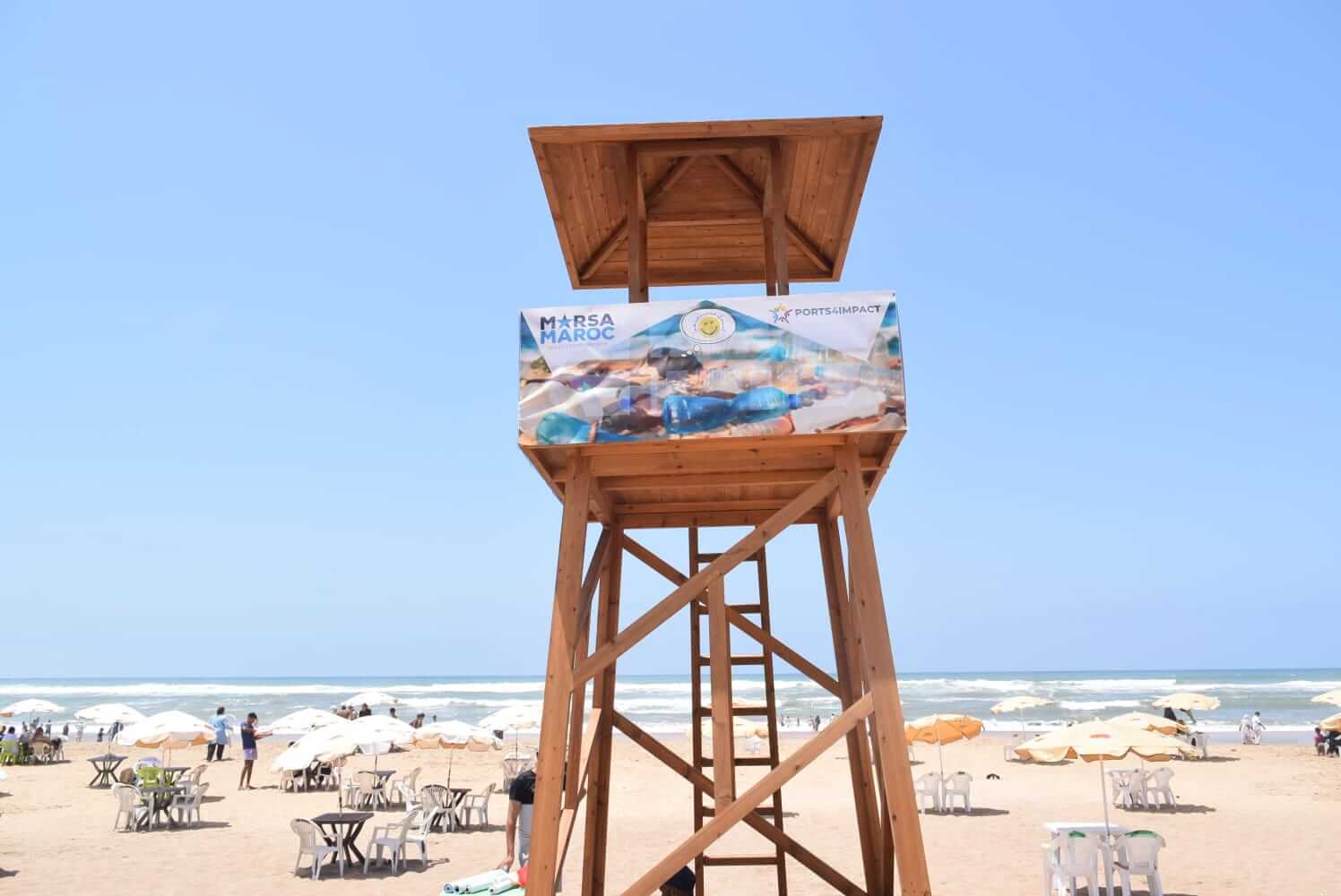





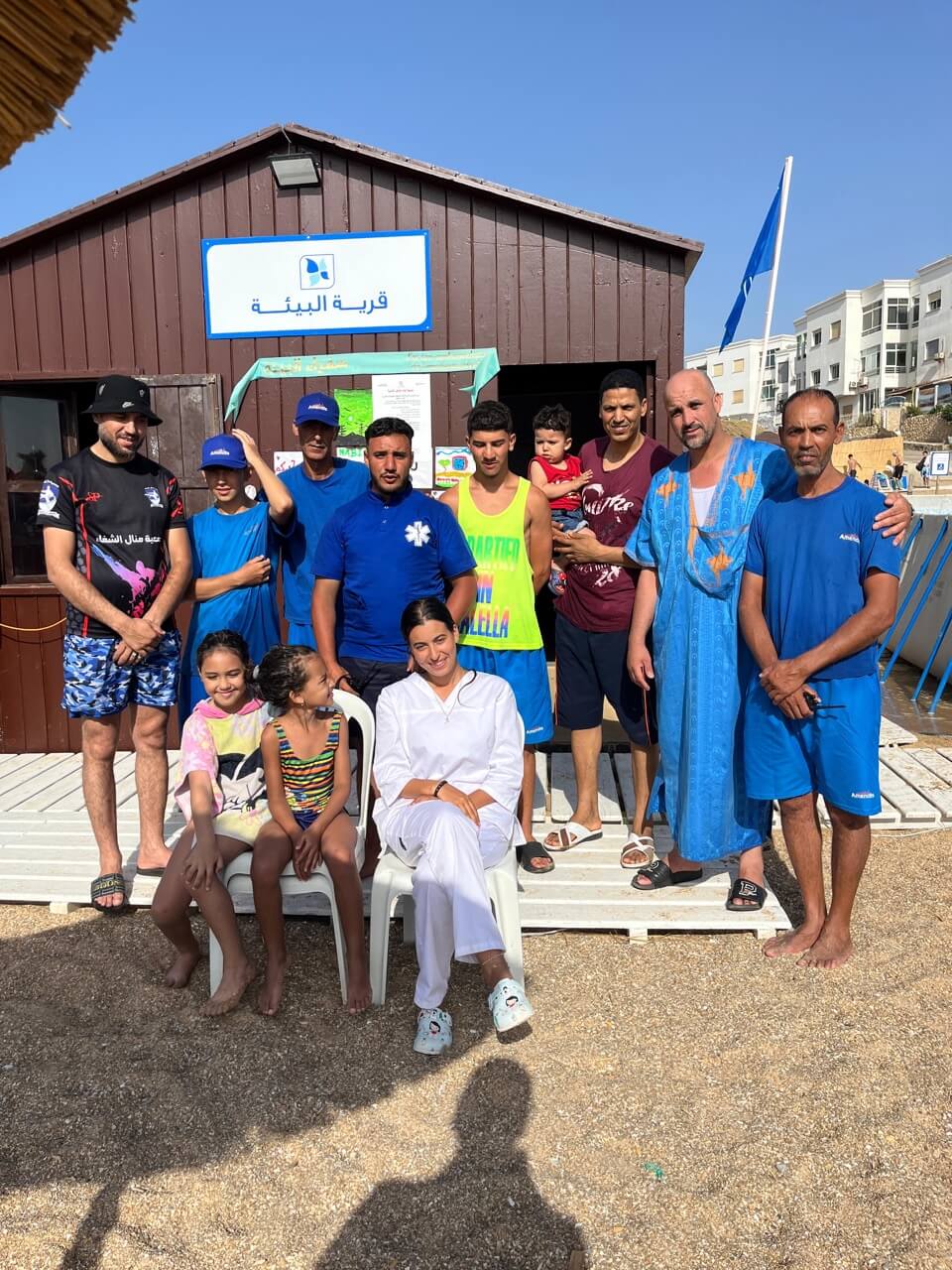


For the 2025 edition, 45 beaches had submitted their applications, illustrating the growing interest of coastal communities in this label, recognized for its contribution to sustainable tourist attractiveness and the promotion of territories.
See the sitesMohammed VI Foundation for Environmental Protection - © All rights reserved - 2025
Fm6e - 2025
Let's all act for a #b7arblaplastic
#b7arblaplastic


