
News
17 Jul 2026
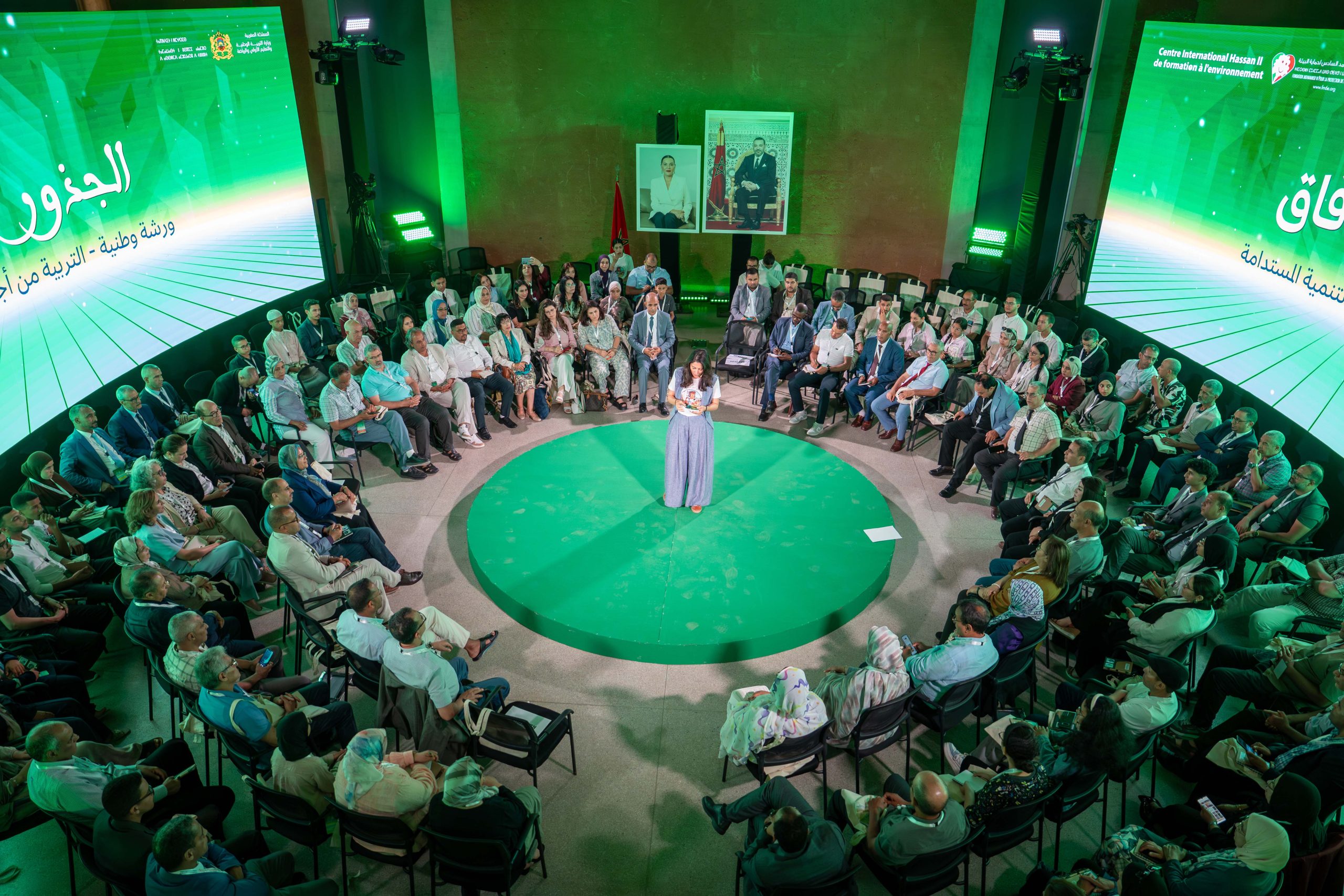
“Roots and Horizons” Fondation Mohammed VI pour la Protection de l’Environnement Brings Together Education for Sustainable Development Stakeholders to Review 2025-2026 Achievements and Chart the Way Forward to 2026-2027





This beach management training cycle is based on technical tools developed by the Foundation and on the regulatory aspects of coastal management. The Foundation provides local authority agents with a project management manual to facilitate their work in the field. This manual is the result of a study conducted with the General Directorate of Local Authorities in 2014 on the sustainable management of beaches and coastline within the framework of the Clean Beaches program.
This capacity building should facilitate the work of all local stakeholders to enable them to more easily raise beach quality and enable local authorities to support their investments in their territory with the aim of generating economic and social benefits.
PRESS KIT
THE MOHAMMED VI FOUNDATION FOR ENVIRONMENTAL PROTECTION IS ORGANISING A TRAINING IN PARTNERSHIP WITH THE GENERAL DIRECTORATE OF LOCAL AUTHORITIES FOR THE LOCAL TECHNICAL MANAGERS RESPONISBLE FOR THE MANAGEMENT OF THE KINGDOM’S BEACHES
The Clean Beaches program, initiated in 1999 by the Mohammed VI Foundation for Environmental Protection, chaired by Her Royal Highness Princess Lalla Hasnaa, has been a popular success with the steady growth of affiliated beaches and the spectacular rise of beach visitors. Today, hundreds of beaches account for over 100 million days-visits, demonstrating the value of this program for the Moroccan coast.
Parallel to this success and the need to extend the efforts to a growing number of beaches, in recent years Clean Beaches has taken a more holistic view of protecting the national coastline, and of institutional and legal reforms that give local communities responsibilities in economic and social development, and in sustainable land management.
A first participatory study launched in 2012 by the Mohammed VI Foundation for Environmental Protection has demonstrated the need to strengthen local skills by training local stakeholders and producing new tools for planning, execution and management to meet their needs and constraints.
In 2014, on the basis of this observation, a study on the sustainable beach and coastline management within the framework of the Clean Beaches program was launched by the Foundation in partnership with the General Directorate of Local Authorities.
By strengthening the skills of local authority technicians, the Clean Beaches program will enable them to sustainably develop and protect their beaches in order to generate long-term economic and social benefits.
According to this investment logic, efforts in preserving and enhancing the beaches will lead to the creation of new jobs and the development of new ways to create wealth.
This governance, investment and beach management capacity-building program will:
• Train local teams on the economic and social potential of unspoiled and well-managed beaches;
• Use tools to quantify the economic and social profitability of investments made and preservation costs;
• Achieve a better level of health, safety and satisfaction for users;
• Contribute to providing information and raising public awareness about the challenges of sustainable development;
• Achieve a financial equilibrium in beach management;
• Highlight the economic potential of quality public beaches;
• Develop local virtuous circles for preserving and enhancing the beaches through local investments that generate sustainable income while ensuring the preservation of the environment;
• Facilitate the work of all local stakeholders to enable them to more easily raise the beach quality by gradually appropriating beach management, possibly through an entity dedicated to this activity;
• Ensure transparent communication on the rights and duties of all beach users and managers;
• Enable clean beaches to reach international Blue Flag label standards;
• Establish regulations for user behavior (including merchants: shops, restaurants etc.) and bathers/swimmers;
• Develop representation and consultation tools to improve synergies between the different stakeholders involved with the beaches;
• Make sustainable investments, especially in the beach and its backshore.
Detailed three-day training agenda
Day 1: Blue Flag planning and project management, beach characterization indicators, guidance values and tables of the budgeted objectives for defining the communal budgets for the coming years
• 9:00-9:30: Participant welcome and provide of a copy of the manual
• 9:30-10:00: Sustainable beach management – elements to be considered and interactions with the commune
• 10:00 – 10:45: Changes in the legal and institutional framework – Law on the coast, regional coastal management plans, bathing water quality standard, management of communal services and beaches
• 10:45 -11:00: Coffee break
• 11:00 – 11:30: Presentation of the project manual: structure, principle of continuous improvement; definition of the project concept; beach management manual use and development; planning, analysis and decision issues of a beach management project; Blue Flag criteria
• 11:30 – 12:30: Blue Flag application form and development of a table of targets budgeted over 3 years for a beach (assisted exercise)
• 12:30 – 12:45: Question-answer session
• 12:45 – 14:00: Lunch
• 14:00 -14:30: Beach sizing indicators and guidance values
• 14:30 – 15:00: Presentation of technical requirements for beach equipment
• 15:00 – 15:00: Presentation of 2015 field survey results
• 15:00 – 16:00: Beach self-assessment form
• 16:00: Question-answer session
Day 2: GIS, data management, basic concepts and the use of the procedures described in the manual
• 9 :00-9:30: Participant welcome
• 9:30-10:30: GIS working principle and examples of applications for the communes (beaches, coastline, land parcels, and direct connection to the Land Conservation GIS, public lighting, solid waste, networks, commercial activities, etc.) based on a concrete example (Saidia)
• 10:30 – 11:00: evolution of GIS techniques — orthophotos and 3G or 4G mobile devices
• 11:00 -11:15: Coffee break
• 11:15 – 12:00: Presentation of QGis software and GIS tools most useful in beach management
• 12:00 – 12:30: Question-answer session
• 12:30 – 14:00: Lunch
• 14:00 -16:00: Method of characterizing beaches and representing the various beach elements under QGIS (practical exercise)
• 16:00 – 16:30: Question-answer session
Day 3: Characterizing beaches with a geo-referenced inventory conducted on the ground
• 9 :00-9:30: Participant welcome
• 9:30-10:00: Inventory and mapping solutions software directly usable on tablets and smartphones
• 10:00 – 12:30: Practical exercises for handling different types of mobile devices and GIS inventory in teams of 3 to 4 people on a stretch of beach and coastal road
• 12:30 – 14:00: Lunch
• 14 :00 -16:00: Exercise on the integration and representation of the collected data
• 16:00 – 16:30: Question-answer session
يرتكز هذا التكوين الخاص بتدبير الشواطئ على الأدوات التقنية التي بلورتها المؤسسة بالإضافة إلى التقنينات المتعلقة بتدبير الساحل. لهذا الغرض، تضع المؤسسة رهن إشارة أعوان الجماعات الترابية دليلا لتدبير المشروع من أجل تسهيل عملهم ميدانيا. دليل انبثق عن دراسة أجريت سنة 2014 حول التدبير المستدام للشواطئ والساحل في إطار برنامج “شواطئ نظيفة” بتعاون مع المديرية العامة للجماعات المحلية.
فتعزيز القدرات المتوخى من هذا التكوين سيسهل عمل جميع الفاعلين في الميدان من أجل الرفع من جودة الشواطئ بكل سهولة، كما سيساعد الجماعات الترابية على دعم استثماراتها بمناطق نفوذها حتى يتسنى لها على المدى البعيد جني انعكاسات إيجابية على الصعيدين الاقتصادي والاجتماعي.
المديرية العامة للجماعات
المحلية
ملف صحفي
تنظم مؤسسة محمد السادس لحماية البيئة بشراكة مع المديرية العامة للجماعات المحلية تكوينا لفائدة المسؤولين التقنيين المحليين المكلفين بتدبير شواطئ المملكة.
بهذه المناسبة، لابد من الإشارة إلى أن برنامج “شواطئ نظيفة”، الذي أطلق سنة 1999 من طرف مؤسسة محمد السادس لحماية البيئة التي ترأسها صاحبة السمو الملكي الأميرة للا حسناء، حقق نجاحا شعبيا باهرا. هذا النجاح يتجلى من جهة في الزيادة المنتظمة في عدد الشواطئ المنخرطة في البرنامج، ومن جهة ثانية، الارتفاع الكبير المسجل على مستوى ارتياد المصطافين لهذه الشواطئ. في الوقت الحالي، ما يناهز 100 شاطئ سجلت في المجموع أزيد من 100 مليون يوم زيارة، مما يبرز أهمية البرنامج بالنسبة للساحل المغربي.
بالموازاة مع هذا النجاح الباهر، ومع ضرورة توسيع رقعة العمل لتشمل عددا متزايدا من الشواطئ، أصبح برنامج شواطئ نظيفة منذ بضع سنوات ينخرط في النظرة الشمولية لحماية الساحل الوطني والإصلاحات المؤسساتية والقانونية التي تخول للجماعات الترابية مسؤوليات تتعلق في آن واحد بالتنمية الاقتصادية والاجتماعية، ولكن أيضا بالتدبير المستدام للمنطقة الترابية.
وقد أظهرت دراسة تشاركية أولى، أُطلقت سنة 2012 من طرف مؤسسة محمد السادس لحماية البيئة، ضرورة تعزيز القدرات المحلية عن طريق تكوين الفاعلين المحليين وكذلك بلورة أدوات جديدة للتخطيط والتنفيذ والتدبير تستجيب لحاجياتهم وتراعي الإكراهات الملازمة لهم.
في سنة 2014، وعلى ضوء هذه الخلاصة، أُطلقت دراسة حول التدبير المستدام للشواطئ والساحل في إطار برنامج شواطئ نظيفة من طرف المؤسسة بشراكة مع المديرية العامة للجماعات المحلية.
فمن خلال تعزيز قدرات التقنيين بالجماعات المحلية، يهدف برنامج شواطئ نظيفة إلى مساعدتها على تحقيق التنمية المستدامة لشواطئها فضلا عن حمايتها لما يترتب عن ذلك من انعكاسات إيجابية طويلة الأمد على الصعيدين الاقتصادي والاجتماعي.
ففي إطار هذا المنطق الاستثماري، تؤدي المجهودات المبذولة على مستوى الحفاظ على الشواطئ وتثمينها إلى إحداث مناصب جديدة للشغل وإلى فتح سبل إضافية لخلق الثروات.
يتوخى هذا البرنامج الخاص بتعزيز القدرات في مجالات الحكامة والاستثمار والتدبير:
• تكوين الفرق المحلية حول المؤهلات الاقتصادية والاجتماعية لشاطئ يحظى بحماية وتدبير جيدين.
• استعمال الأدوات التي تساعد على تقدير المردودية الاقتصادية والاجتماعية للاستثمارات والمصاريف المخصصة للحماية.
• بلوغ مستويات عالية من الوقاية والسلامة والإرضاء بالنسبة للمستعملين.
• المساهمة في إخبار وتحسيس العموم برهانات التنمية المستدامة.
• تحقيق التوازن المالي لتدبير الشاطئ.
• إبراز المؤهلات الاقتصادية للشواطئ العمومية ذات الجودة العالية.
• تطوير دوائر فاضلة محلية للحفاظ على الشواطئ وتثمينها عبر استثمارات محلية مذرة لمداخيل مستدامة مع ضمان الحفاظ على المحيط البيئي.
• تسهيل عمل جميع الفاعلين المحليين في الميدان من أجل مساعدتهم على رفع جودة الشاطئ بكل سهولة عبر التزود التدريجي بكيفية تدبير الشواطئ الذي يتم أحيانا بواسطة وحدة مخصصة لهذا النشاط.
• ضمان تواصل شفاف حول حقوق وواجبات جميع المستعملين والمسؤولين عن تدبير الشاطئ.
• تمكين الشواطئ النظيفة من بلوغ المعايير الدولية من أجل الحصول على اللواء الأزرق.
• وضع قانون خاص بسلوكات المستعملين (بما في ذلك المستعملين ذوي الطابع الاقتصادي: التجارة والمطاعم…) والمستحمين.
• بلورة أدوات تمثيلية وتشاورية تساعد على خلق تآزر بين مختلف الفاعلين المتدخلين في الشواطئ
• إنجاز استثمارات مستدامة لاسيما على مستوى الشاطئ والمنطقة الخلفية للشاطئ.
البرنامج المفصل للأيام الثلاثة للتكوين
اليوم 1: تخطيط وتدبير مشاريع اللواء الأزرق، مؤشرات إبراز خصائص الشواطئ، القيم الدالة وجداول الأهداف المميزنة التي تساعد على تحديد الميزانيات الجماعية المبرمجة في السنوات القادمة.
• من الساعة 09.00 إلى 09.30: استقبال المشاركين وتسليمهم نموذجا من الدليل.
• من 9.30 إلى 10.00: التدبير المستدام للشاطئ – العناصر الواجب مراعاتها والتفاعلات مع المناطق الترابية الجماعية.
• من 10.00 إلى 10.45: تطور الإطار القانوني والمؤسساتي – القانون المتعلق بالساحل، المخططات الجهوية لتدبير الساحل، المعيار حول جودة مياه الاستحمام، تدبير المصالح الجماعية والشواطئ.
• من 10.45 إلى 11.00: استراحة – قهوة
• من 11.00 إلى 11.30: تقديم دليل المشروع: البنية، مبدأ التحسين المستمر، تعريف مفهوم المشروع، استعمالات وتطورات دليل تدبير الشواطئ، الجدول الزمني ونقاط تحليل واتخاذ القرار بشأن مشروع تدبير الشواطئ، معايير اللواء الأزرق.
• من 11.30 إلى 12.30: ملف الترشيح الخاص باللواء الأزرق وإنجاز جدول الأهداف المميزنة على مدى 3 سنوات للشاطئ (تمرين مرافق)
• من 12.30 إلى 12.45: أسئلة- أجوبة.
• من 12.45 إلى 14.00: استراحة غذاء.
• من 14.00 إلى 14.30 : مؤشرات حول أهمية الشاطئ والقيم الدالة
• من 14.00 إلى 14.30: عرض المتطلبات التقنية الخاصة بتجهيزات الشاطئ.
• من 15.00 إلى 15.30: عرض نتائج التحقيقات الميدانية 2015
• من 15.30 إلى 16.00: بطاقة التقييم الذاتي للشاطئ.
• 16.00: أسئلة – أجوبة.
اليوم 2: نظام المعلومات الجغرافية، تنظيم المعطيات، المفاهيم الأساسية واستعمال المساطر المنصوص عليها في الدليل.
• من 9.00 إلى 9.30: استقبال المشاركين
• من 9.30 إلى 10.30: مبدأ عمل “نظام المعلومات الجغرافية” ونماذج تطبيقية بالنسبة للجماعات (الشواطئ، خط الساحل، التقسيم العقاري والربط المباشر مع نظام المعلومات الجغرافية للمحافظة العقارية، الإنارة العمومية، النفايات الصلبة، الشبكات، الأنشطة التجارية…) انطلاقا من نموذج واقعي (السعيدية)
• من 10.30 إلى 11.00: تطور تقنيات نظام المعلومات الجغرافية – صور متعامدة وطرفيات الحاسوب المحمولة 3 أو 4 G.
• من 11.00 إلى 11.15: استراحة – قهوة
• من 11.15 إلى 12.00: تقديم برمجية QGIS وأدوات نظام المعلومات الجغرافية الأكثر استعمالا في تدبير الشواطئ.
• من 12.00 إلى 12.30: أسئلة- أجوبة
• من 12.30 إلى 02.00: استراحة غذاء.
• من 14.00 إلى 16.00: طريقة تحديد خصائص الشواطئ وتبيان مختلف عناصر الشاطئ ببرمجية QGIS – تمرين تطبيقي
• من 16.00 إلى 16.30: أسئلة – أجوبة
اليوم 3: تحديد خصائص الشواطئ مع جرد بمرجعيات جغرافية منجز ميدانيا
• من 9.00 إلى 9.30: استقبال المشاركين
• من 9.30 إلى 10.00: برمجيات جرد الرسم الخرائطي وحلول مستعملة بطريقة مباشرة على اللوحات الرقمية والهواتف الذكية.
• من 10.00 إلى 12.30: تمارين تطبيقية لاستعمال مختلف أنواع الطرفيات المنقولة وجرد نظام المعلومات الجغرافية في إطار مجموعات من 3 أو 4 أشخاص بالنسبة لجزء من الشاطئ أو الكورنيش.
• من 12.30 إلى 14.00: استراحة غذاء
• من 14.00 إلى 16.00: تمرين إدماج وتبيان المعطيات المجمعة.
• من 16.00 إلى 16.30: أسئلة – أجوبة.

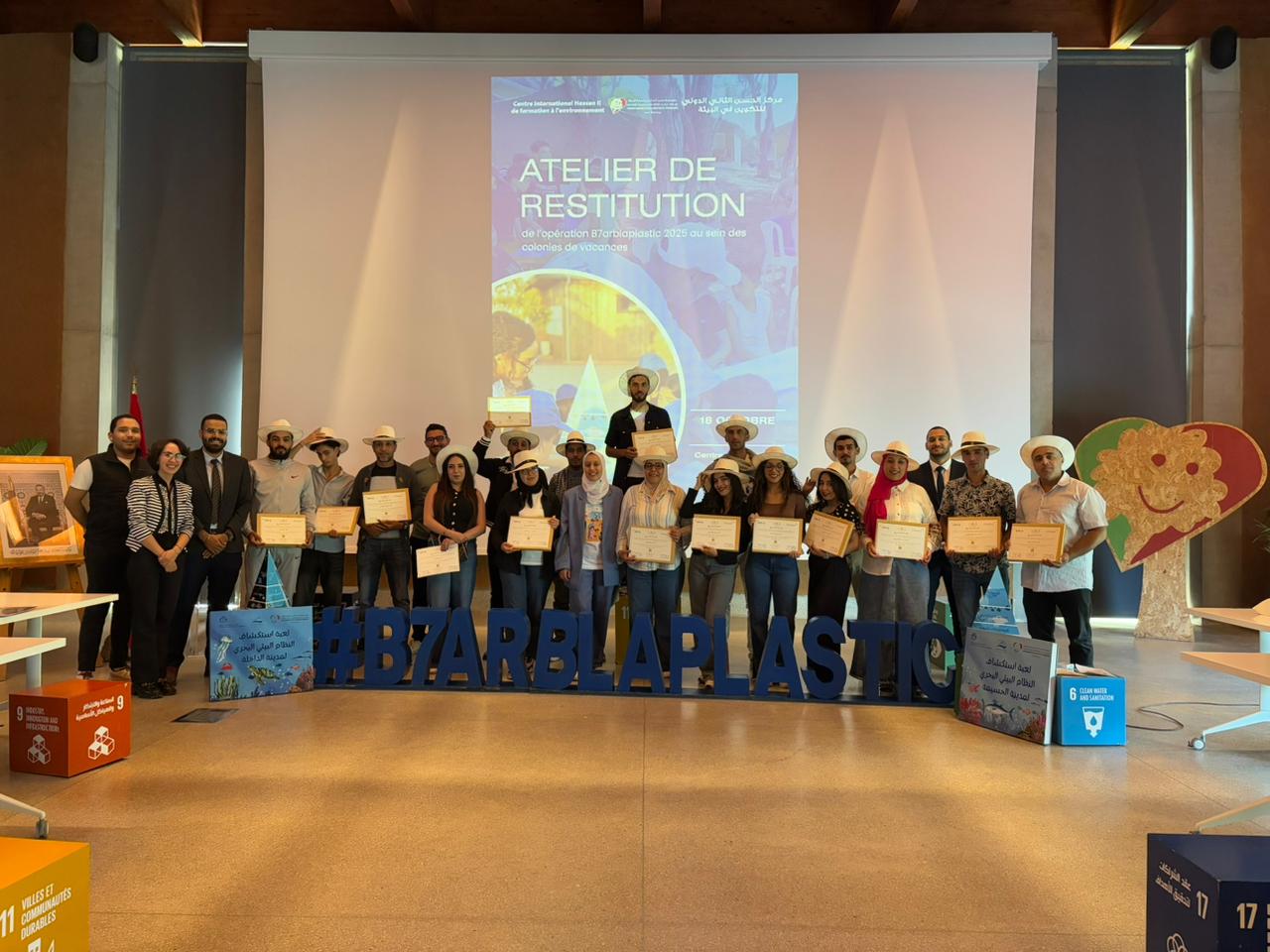








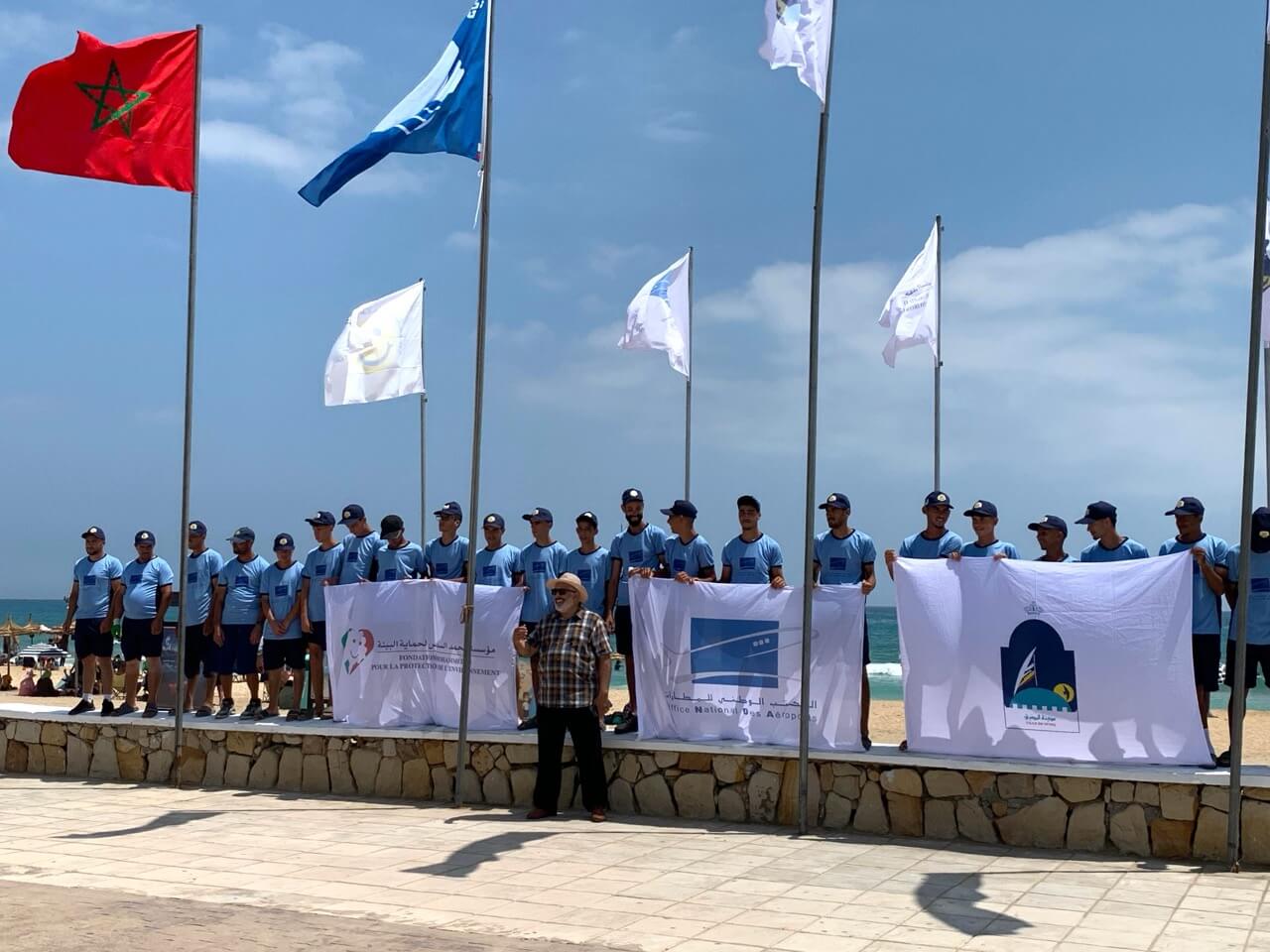


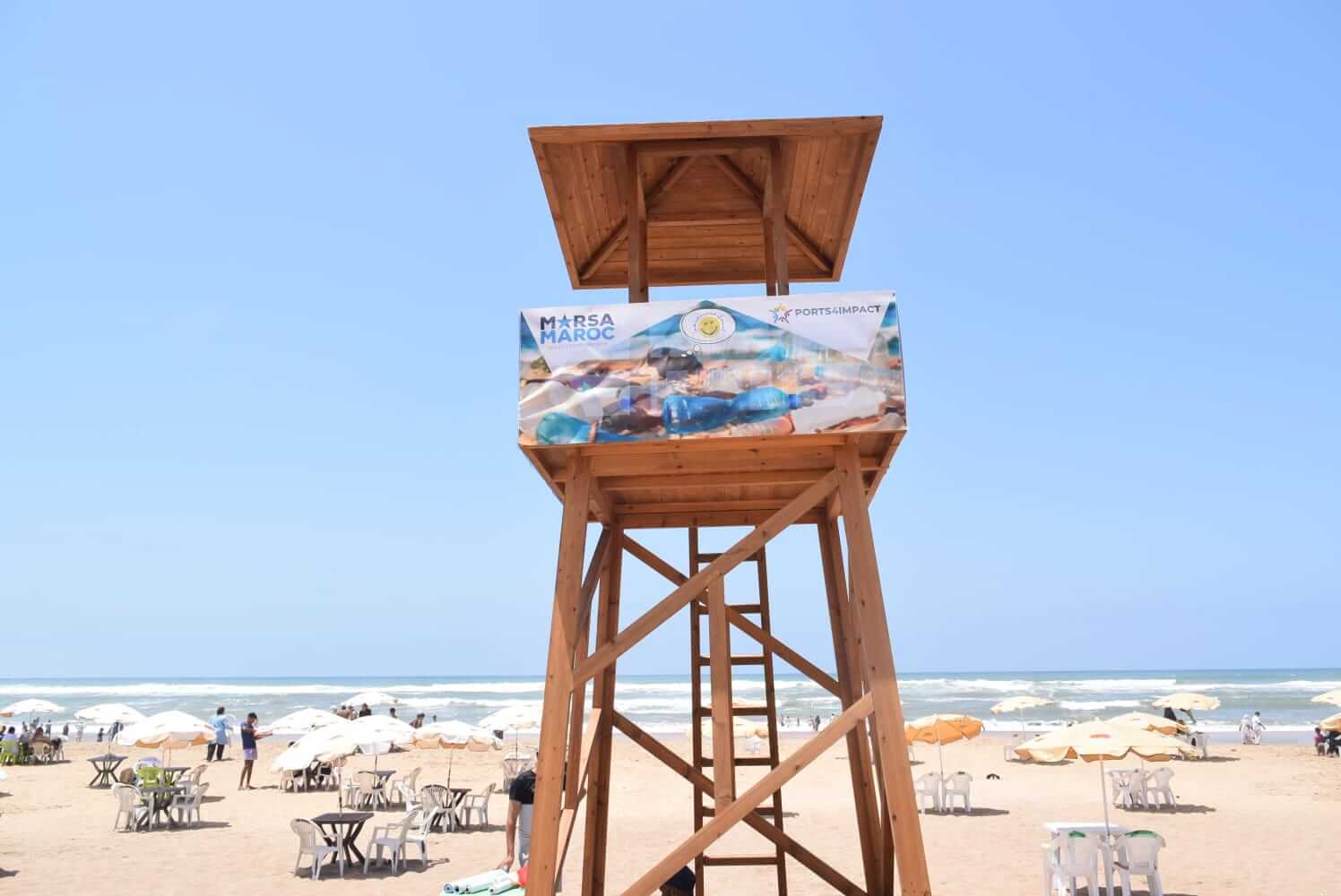


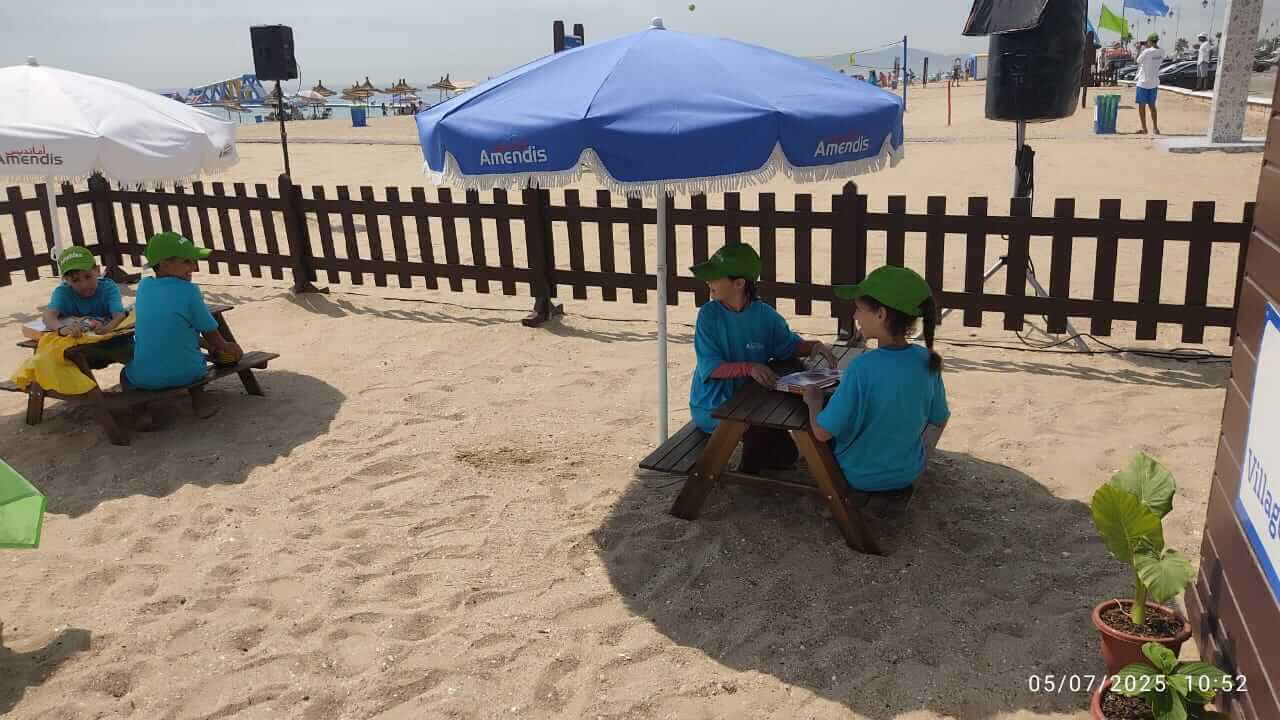


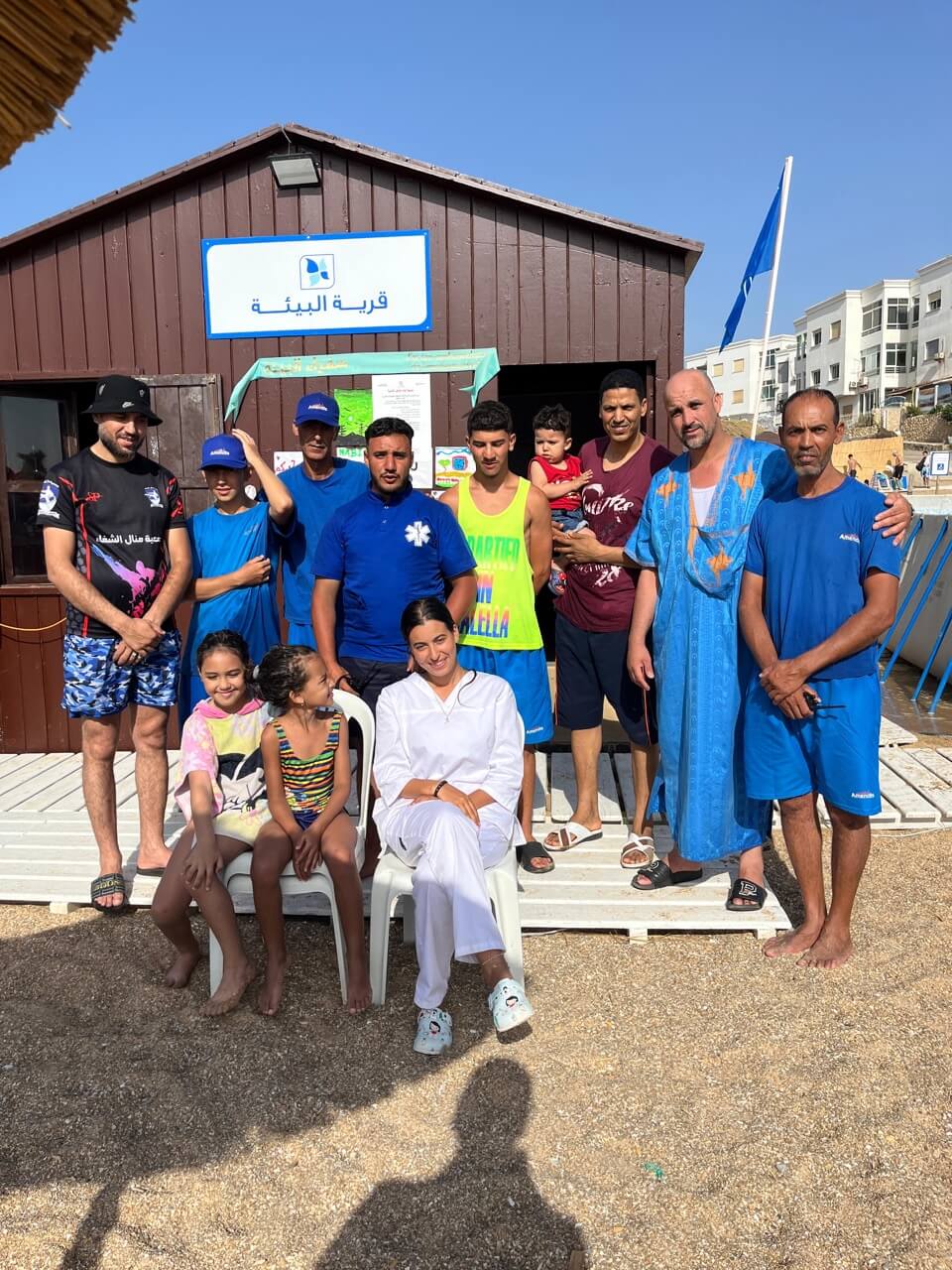


For the 2025 edition, 45 beaches had submitted their applications, illustrating the growing interest of coastal communities in this label, recognized for its contribution to sustainable tourist attractiveness and the promotion of territories.
See the sitesMohammed VI Foundation for Environmental Protection - © All rights reserved - 2025
Fm6e - 2025
Let's all act for a #b7arblaplastic
#b7arblaplastic


