
News
17 Jul 2026
“Roots and Horizons” Fondation Mohammed VI pour la Protection de l’Environnement Brings Together Education for Sustainable Development Stakeholders to Review 2025-2026 Achievements and Chart the Way Forward to 2026-2027



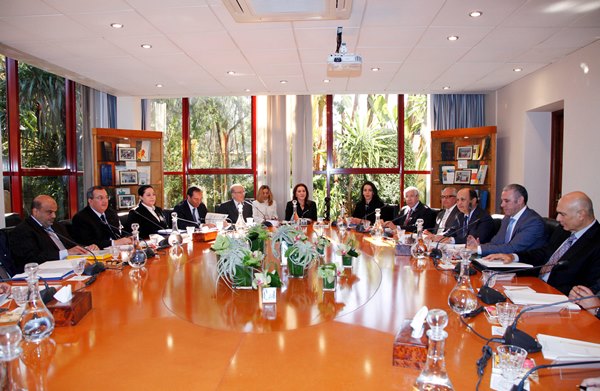
Her Royal Highness was proud to see the role of increasingly assertive of the foundation of regional and international scales whose last UNESCO conference in Nagoya, Japan, showed the importance that the international organization our experience in education through the programs “Young Reporters for the Environment” and “Eco-schools”.
This regional leadership encouraged both by UNESCO and UNEP will be topped off the creation of an International Centre of Education for Sustainable Development, the realization near the Exotic Gardens Bouknadel in 2015, is announced by Her Royal Highness who wishes to dedicate it to the National Scientific Community, academics, researchers and teachers who support the Foundation in its step to initiate original ways of teaching and exemplary sustainable development in schools, colleges and universities.
Before giving the floor to the Secretary General and the external auditor to detail the accounts and justify the use of funds, Her Royal Highness congratulated the members and all stakeholders of the Trophies “Sustainable Coastline”, whose first edition was celebrated Sunday, December 7, 2014 and which augurs success of a real awareness towards the coast and its riches.
On this occasion, Her Royal Highness announced to members the launch of the Second Edition of Littoral days during the second week of December throughout the national territory.
Overview of major axes of achievement of the Foundation programs.
Education for Sustainable Development
Her Royal Highness has placed education of children and youth for sustainable development as primary mission of the Foundation. The actions begin in school, continue at school and high school, with the firm will to make education for sustainable development a full component of education generally.
It is in recognition of the work done in schools and the actors on the field of education for sustainable development that Her Royal Highness was guest of honor at the World Conference of UNESCO on Education for Sustainable Development in Aichi-Nagoya in November 2014, to testify to the key role of education to meet the challenges of sustainable development and share experiences of the Foundation that will contribute to the implementation of the Global Action Programme of Education for Sustainable development.
• The generalization of the “Eco-Schools” program that creates the basis of learning on the preservation of the environment continues gradually. Currently, 896 schools enrolled in the program from 2013 to 2014, including 389 rural and 507 urban schools.
79 eco-schools have implemented environmental projects within their institution as Eco-Schools initiative and got so Green Label thus constituting a basis for exchange and networking at national and regional level, and enhancing the both teachers, students and the entire local population.
• The “Young Reporters for the Environment” was attended by 20,000 High school students of the 16 Regional Academies of Education and YRE annual competition training. Thus, 140 written reports and pictures were awarded at the national level by the Jury YRE Committee including 18 prize winning works internationally by the ad hoc committee of the Foundation for Environmental Education (FEE).
• The “Capacity Building of Young Professionals of communication” program is a continuation awareness-raising action already undertaken by the Foundation. The year 2013 saw the expansion of the network of young journalists in West Africa, particularly in the framework of cooperation with UNEP. Thus, a selection of young journalists was carried out totaling 28 journalists, including 21 Moroccans, two Algerians, Tunisians 2, 1 Mauritania, Benin 1, 1 and 1 Guinean Burkina Faso. These modules are taught via an electronic platform designed specifically for this training: www.edd-elearning.ma.
World Environmental Education Congress
In 2013, the major event was the organization in Marrakesh of the 7th World Environmental Education Congress (Word Environmental Education Congress). The said congress which, under the guidance of Her Royal Highness marked a new beginning for education and awareness raising programs was an opportunity for our country to share and connect with global experts and the driven to translate its recommendations in a call from Marrakech to go to greener, fair and supportive societies.
Coastal Protection Program
In 2013, the Foundation was also very involved in protecting the coasts. In 2013, its Clean Beaches program, which was initially launched to educate beachgoers and municipalities, entered into a new dimension for its 12th edition (74 beaches involved, and 20 labeled Blue Flag), with a plan that increasingly involves municipalities in charge of the beaches, as a prelude to it being expanded to the entire coastline. The experience gained in the program now with the process of completing the protection of the Marchica lagoon in Nador, serves as a paradigm for Dakhla Bay, for which the bases were consolidated in 2013, as was the Mediterranean Intercontinental Biosphere Reserve in the north.
Air and Climate Program
The programs in the area of Air and Climate reached a new level in 2013, which will make it a priority in 2014. As part of Qualit’Air the program, the results of the first epidemiological study on the health effects of urban pollution in the Greater Casablanca region will be fully available in 2014, after partial publication at the end of 2013. The air quality monitoring network has been fortified with a total of 29 monitoring stations in 15 cities.
Voluntary Carbon Offsetting Program
The Voluntary Carbon Offsetting program is an awareness-raising program about global warming for citizens and economic operators. It provides citizens and public and private organizations the possibility of offsetting their CO2 emissions with palm tree plantation programs in Marrakech, or with the solar electrification of rural schools. Major companies, among the largest in the country, have joined the initiative.
The first carbon calculator adapted for Morocco was put online on the Internet to allow everyone to assess the CO2 emissions generated during their travel.
In cooperation with the Agency for Energy and Environment Management (ADEME), the Foundation has developed an assessment tool adapted to Morocco’s carbon context. It is based on a calculation tool that conforms to the international ISO 14069 standard and a carbon database consisting of 300 emissions factors. It will raise awareness among public and private economic operators about their contribution to global warming, and bring them gradually to control and reduce their greenhouse gas emissions.
Marrakech Palm Grove Program
Moreover, the first phase of the Marrakech Palm Grove Protection program ended in 2013. Its main achievement is having halted the decline of this heritage. The palm replanting targets were exceeded by 26%, with 542,000 young palms planted and fully irrigated. Water management has been redesigned, introducing modern methods to conserve water and energy. The effects of urbanization on the palm were mitigated. Local residents have been associated with the protection process, their interests taken into account, and education and awareness actions conducted for everyone: children, residents, tourists, and public and private decision makers.
Responsible Tourism Program
Finally, the Foundation presented its responsible tourism program, including the Green Key label, which now involves 57 institutions in the country. This international ecolabel developed by the Foundation for Environmental Education, is dedicated to the most common tourism in the world. It adds value to the tourist accommodation establishments that work in respect for their environment. It was introduced in Morocco in 2007 by the Foundation and is spreading gradually, to both large hotels in major tourist cities and country houses in the mountains. The Green Key is given annually to tourist establishments that have applied for the label. A large battery of environmental criteria is reviewed during a field audit, which leads to the labeling or recommendations for action.
وعبرت صاحبة السمو الملكي عن اعتزازها بالتأكد من دور المؤسسة الذي يزداد حزما على النطاقين الجهوي والدولي ومنها مؤتمر اليونسكو بناغويا باليابان، الذي ابان عن الأهمية التي توليها هذه المنظمة الدولية لتجربتنا في مجال التعليم عبر برامج “الصحافيون الشباب من أجل البيئة” و “المدارس الإيكولوجية”.
هذا الدور الريادي الجهوي الذي نالت به المؤسسة تشجيع كل من اليونسكو وبرنامج الأمم المتحدة من أجل البيئة، سيتوج بإنشاء مركز دولي للتعليم على البيئة المستدامة، وهو المركز الذي أعلنت صاحبة السمو الملكي عن إنشائه بالقرب من الحدائق العجيبة ببوقنادل ابتداء من سنة 2015، وبادرت إلى إهدائه للمجتمع العلمي الوطني، وللجامعيين، وللباحثين والأساتذة الذين يدعمون المؤسسة في نهجها المتمثل في إطلاق طرق أصلية ومثالية لتعليم التنمية المستدامة في المدارس، والإعداديات، والثانويات والجامعات.
قبل إعطاء الكلمة للكاتبة العامة وللمدقق الخارجي لبسط تفاصيل الحسابات وتبرير استخدام الأموال، هنّأت صاحبة السمو الملكي الأعضاء وكل الشركاء في جوائز “للاحسناء – الساحل المستدام” التي تم الاحتفاء بدورتها الأولى بتاريخ 7 دجنبر 2014 والتي يبشر نجاحها بوعي حقيقي يعود بالنفع على الساحل وثرواته.
وبهذه المناسبة أعلنت صاحبة السمو الملكي للأعضاء عن إطلاق الدورة الثانية لأيام الساحل خلال الأسبوع الثاني من دجنبر وأكدت أنها ستشمل الساحل الوطني كله، وخلالها سيتم إشراك مختلف المتدخلين في تدبير وحماية الساحل. …/…
نظرة على أهم محاور منجزات برامج المؤسسة
التربية على التنمية المستدامة
وقد جعلت صاحبة السمو الملكي تعليم الأطفال والشباب على التنمية المستدامة المهمة الأولى للمؤسسة. وتنطلق الأنشطة من المدرسة، وتستمر في الإعدادية وفي الثانوية برغبة أكيدة في جعل التكوين على التنمية المستدامة جزءا لا يتجزأ من التعليم بصفة عامة.
فبفضل الاعتراف بالعمل المنجز، على مستوى المدارس والفاعلين على أرض الواقع في مجال التعليم على التنمية، كانت صاحبة السمو الملكي ضيفة شرف في المؤتمر العالمي لليونسكو حول التعليم على التنمية المستدامة بأيشي – ناغويا في نونبر 2014، لإظهار الدور الرئيسي للتعليم في رفع تحديات التنمية المستدامة، وتقاسُم تجارب المؤسسة للاستفادة منها عند وضع برنامج العمل العالمي للتعليم من أجل التنمية المستدامة.
• إن تعميم برنامج “المدرسة الإيكولوجية”، الذي يؤسس قواعد تعلم مرتبط بالحفاظ على البيئة، يستمر تدريجيا. حاليا، 896 مدرسة مسجلة في برنامج 2013-2014، منها 389 مدرسة قروية و 507 مدرسة في المناطق الحضرية.
79 مدرسة ايكولوجية وضعت مشاريع بيئية داخل المؤسسات وفق نهج “المدارس الإيكولوجية” وحصلت بذلك على علامة اللواء الأخضر كما أنها شكلت قاعدة للتبادل ولإقامة شبكات على المستوى الوطني والجهوي، فضلا عن تثمين كل من المعلمين والتلاميذ ومجموع السكان المحليين.
• عرف برنامج “الصحافيون الشباب من أجل البيئة” مشاركة 20000 تلميذ “ثانوي” يمثلون 16 أكاديمية جهوية للتعليم والتكوين، وأسفرت المباراة السنوية عن كون 140 استطلاع مكتوب ومصور أقنعت لجنة التحكيم وفازت بجوائز على المستوى الوطني، ومنها 18 عمل أقنعوا لجنة مؤسسة التعليم على البيئة و فازوا بجوائز على المستوى العالمي.
• يندرج برنامج تقوية قدرات مهنيي التواصل الشباب في استمرارية أنشطة التحسيس التي سبق للمؤسسة أن أطلقتها. وعرفت سنة 2013 توسيع شبكة الشباب الصحفيين لتشمل إفريقيا الغربية، وخاصة في إطار برنامج الأمم المتحدة من أجل البيئة، وهكذا تم اختيار 28 صحافيا شابا، منهم 21 مغربي، 2 جزائريين، 2 تونسيين، 1 موريتاني، 1 من البينين، 1 من غينيا، 1 من بوركينا فاصو.هذه الوحدات متوفرة عبر الأرضية الإلكترونية التي أُعدّت خصيصا لهذا التكوين: www.edd-elearning.ma حيث سيتم وضع هذه الوحدات على الخط بشكل تفاعلي ملائم للتعلم الإلكتروني.
…/…
المؤتمر العالمي للتربية البيئية
فسنة 2013 شهدت إنجازا بارزا تمثل في تنظيم النسخة السابعة من المؤتمر العالمي للتربية البيئية بمراكش. وكان هذا المؤتمر الذي أعطى، حسب توجيهات صاحبة السمو الملكي، انطلاقة جديدة لبرامج التربية والتحسيس، مناسبة لبلدنا من أجل تبادل وإقامة علاقات مع متخصصين عالميين ودفعهم إلى تضمين توصياته في نداء مراكش، من أجل المضي في اتجاه مجتمعات أكثر إيكولوجية، عادلة وتضامنية.
حماية الساحل
وفي سنة 2013، انخرطت المؤسسة أيضا بشكل كبير في حماية الساحل. ففي هذه السنة، دخل برنامج شواطئ نظيفة، الذي أطلق من أجل تحسيس المصطافين والجماعات، في مرحلة جديدة في نسخته الثانية عشرة (74 شاطئ معني، و25 متوجة بعلامة اللواء الأزرق) بمنظور جديد يعمل على إشراك أكبر للجماعات المكلفة بالشواطئ ويمهد لتعميمه على الساحل بأكمله.
فالتجربة المكتسبة في البرنامج الذي يوجد حاليا في طور الإنهاء المتعلق بحماية بحيرة مرشيكا (الناضور) ستكون مفيدة في تنفيذ برنامج حماية خليج الداخلة الذي وضعت أسسه سنة 2013 كما هو الشأن بالنسبة لمحمية المحيط الحيوي البيقارِّي المتوسطي بالشمال.
الهواء والمناخ
وبخصوص البرامج المتعلقة بالهواء والمناخ، فقد بلغت سنة 2013 مرحلة جديدة تعطيها أولوية سنة 2014. فنتائج الدراسة الوبائية الأولى حول تأثيرات التلوث الحضري على الصحة بالدار البيضاء الكبرى، في إطار برنامجها “جودة الهواء” ستكون كلها جاهزة سنة 2014 بعد نشرها جزئيا في نهاية 2013. كما أن شبكة مراقبة جودة الهواء أصبحت اليوم قوية تتألف من 29 محطة قياس متواجدة ب 15 مدينة.
التعويض الطوعي للكربون
ومن جانبه، يعتبر برنامج التعويض الطوعي للكربون برنامجا لتحسيس المواطنين والفاعليين الاقتصاديين بارتفاع الحرارة الناتج عن التغيرات المناخية. فهذا البرنامج يمنح المواطنين والهيئات العمومية أو الخاصة إمكانية تعويض انبعاثات ثاني أوكسيد الكربون في البرامج المتعلقة بغرس أشجار النخيل بمراكش أو في برامج تزويد المدارس القروية بالكهرباء الشمسية، وقد انخرطت إحدى أهم المقاولات الكبرى بالمملكة في هذه المبادرة.
وتم وضع أول نظام قياس كاربون ملائم للمغرب بشبكة الإنترنيت من أجل تمكين كل واحد من معرفة كمية انبعاثات ثاني أوكسيد الكربون التي يصدرها خلال تنقلاته. وبشراكة مع وكالة البيئة والتحكم في الطاقة، أحدثت المؤسسة أداة لتقييم حصيلة الكربون تتلاءم مع الواقع المحلي المغربي
…/…
والتي ترتكز على آلية للحساب مطابقة للمواصفة الدولية إيزو 14069 وعلى أساس قاعدة بيانات الكربون المكونة من 300 عامل انبعاث. وتمكن هذه الأداة من جعل الفاعلين الاقتصاديين الخواص
والعموميين يعون بمساهمتهم في ظاهرة الاحتباس الحراري ودفعهم إلى التحكم وتقليص انبعاثاتهم من الغاز المسبب لهذه الظاهرة.
واحة النخيل بمراكش.
ومن ناحية أخرى، فقد انتهت المرحلة الأولى لبرنامج حماية واحة النخيل بمراكش سنة 2013، التي تحقق فيها أهم مكسب، المتمثل في إيقاف تدهور هذا الموروث. وتجاوزت نسبة إعادة غرس أشجار النخيل 26% حيث تم غرس 542000 شتلة نخيل مجهزة بنظام للري. كما تمت إعادة النظر في نمط تدبير الماء بإدخال طرق عصرية تقتصد استهلاك الماء والطاقة، وتم أيضا احتواء تأثيرات التمدن على واحة النخيل فضلا عن إشراك الساكنة المجاورة في عملية حماية الواحة أخذا بعين الاعتبار مصالحهم حيث نظمت عدة أنشطة تتعلق بالتربية والتحسيس لفائدة الجميع: أطفال، الساكنة المجاورة، السياح، ذوي القرار العموميين والخواص.
السياحة المسؤولة
وأخيرا، قدمت المؤسسة برامجها المرتبطة بالسياحة المسؤولة، خاصة علامة المفتاح الأخضر التي تهم حاليا 57 منشأة بالمغرب. هذه العلامة الإيكولوجية الدولية، التي بلورتها مؤسسة التربية على البيئة، خصصت للسياحة الأكثر شهرة على الصعيد العالمي وتساعد على تثمين منشآت الإيواء السياحية التي تشتغل في إطار احترام وسطها البيئي. وقد تم إدخالها إلى المغرب سنة 2007 من طرف المؤسسة وبدأت تنتشر به بشكل تدريجي سواء بالفنادق الكبرى المتواجدة بالمدن الكبرى السياحية أو مؤسسات الإيواء القروية بالجبال. ويمنح المفتاح الأخضر سنويا للمنشآت السياحية التي تطلب ذلك. وأثناء الافتحاص بالميدان، يتم اللجوء إلى قائمة طويلة من المعايير البيئية التي ينتج عنها منح هذه العلامة أو تقديم توصيات عمل.








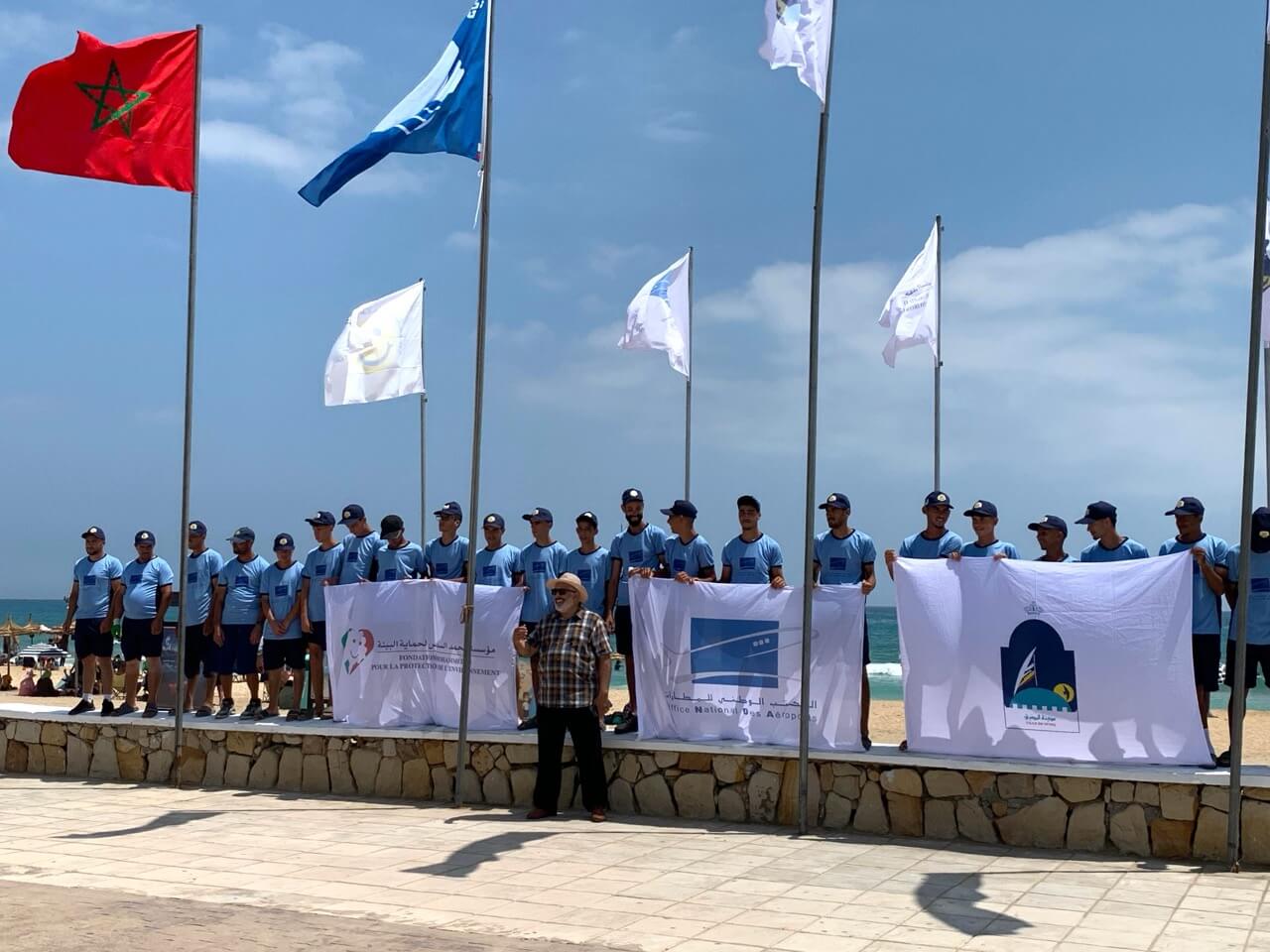


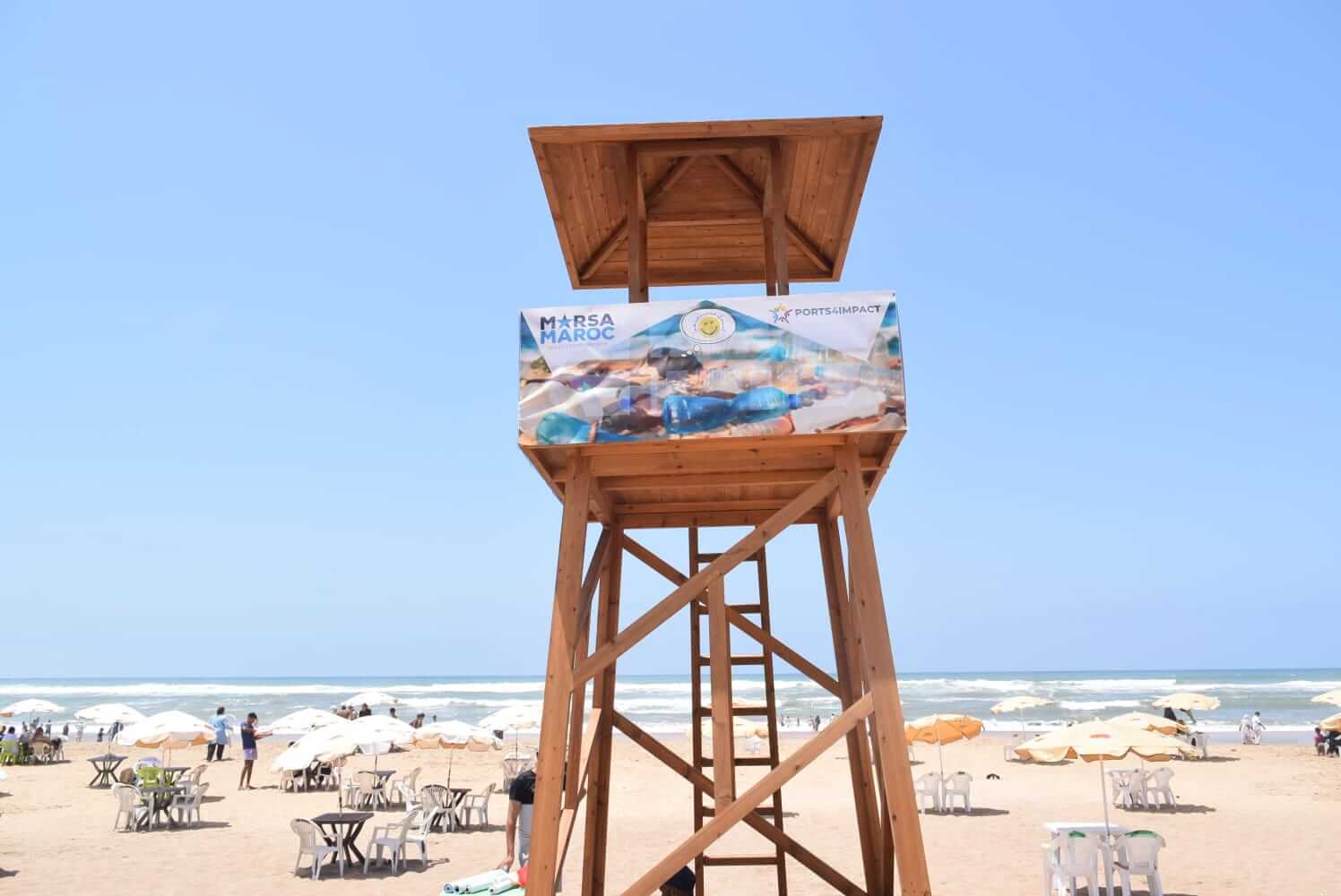


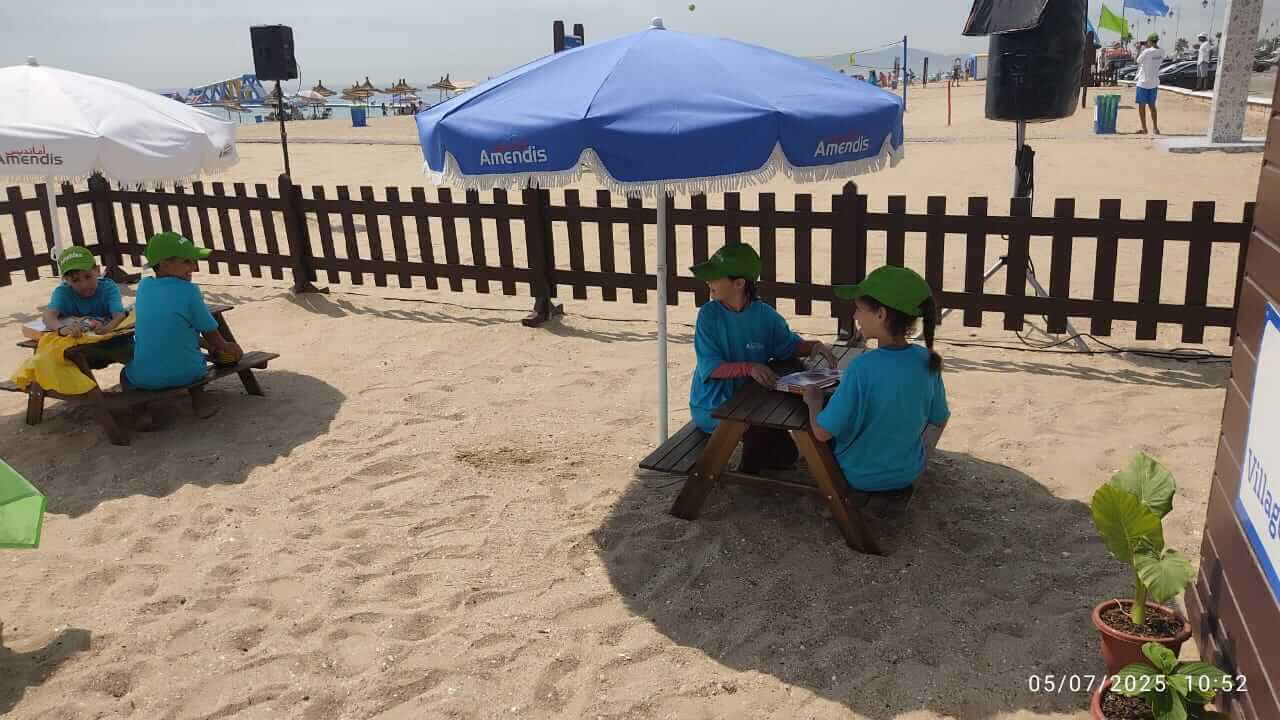


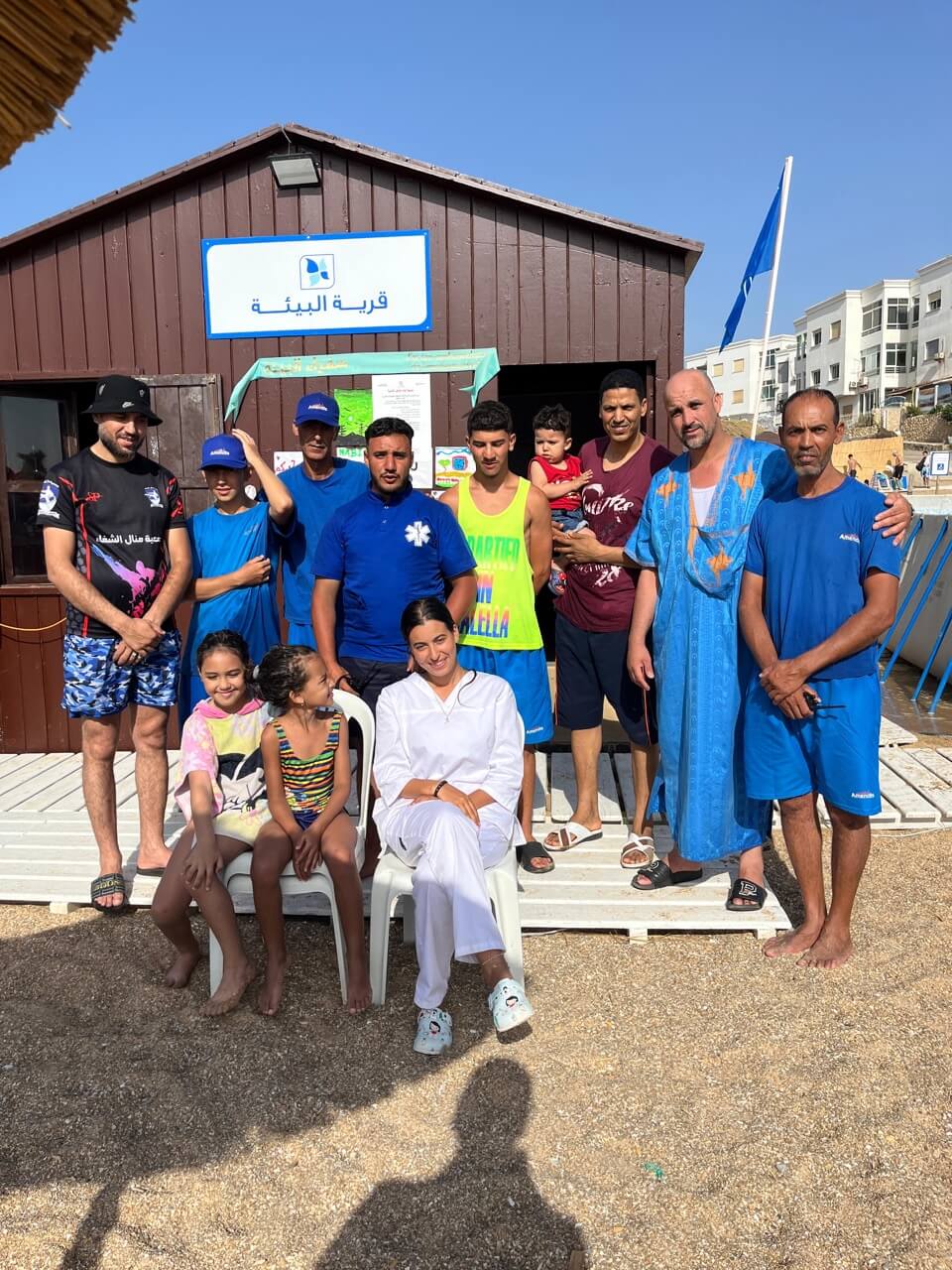


For the 2025 edition, 45 beaches had submitted their applications, illustrating the growing interest of coastal communities in this label, recognized for its contribution to sustainable tourist attractiveness and the promotion of territories.
See the sitesMohammed VI Foundation for Environmental Protection - © All rights reserved - 2025
Fm6e - 2025
Let's all act for a #b7arblaplastic
#b7arblaplastic


