
News
17 Jul 2026
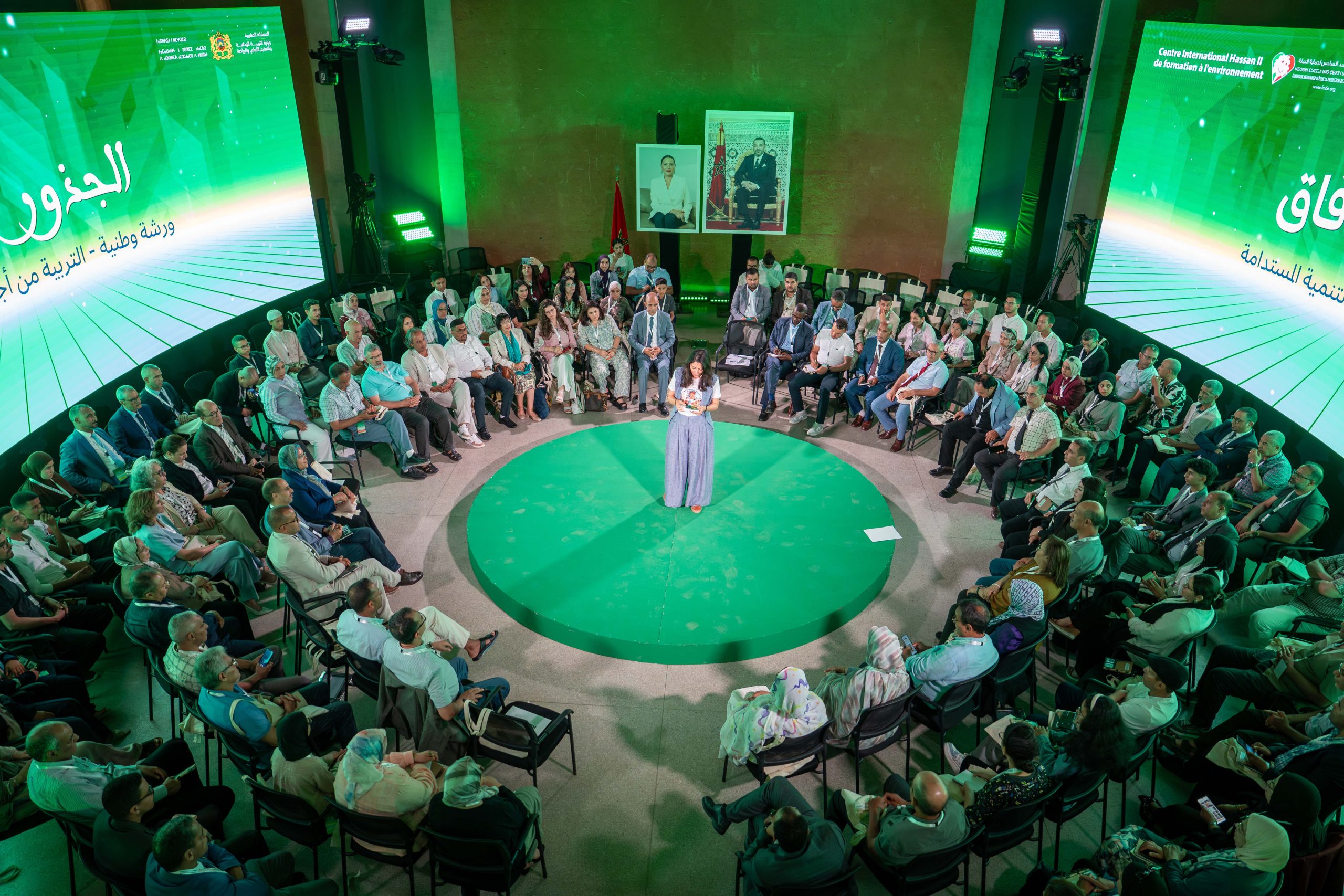
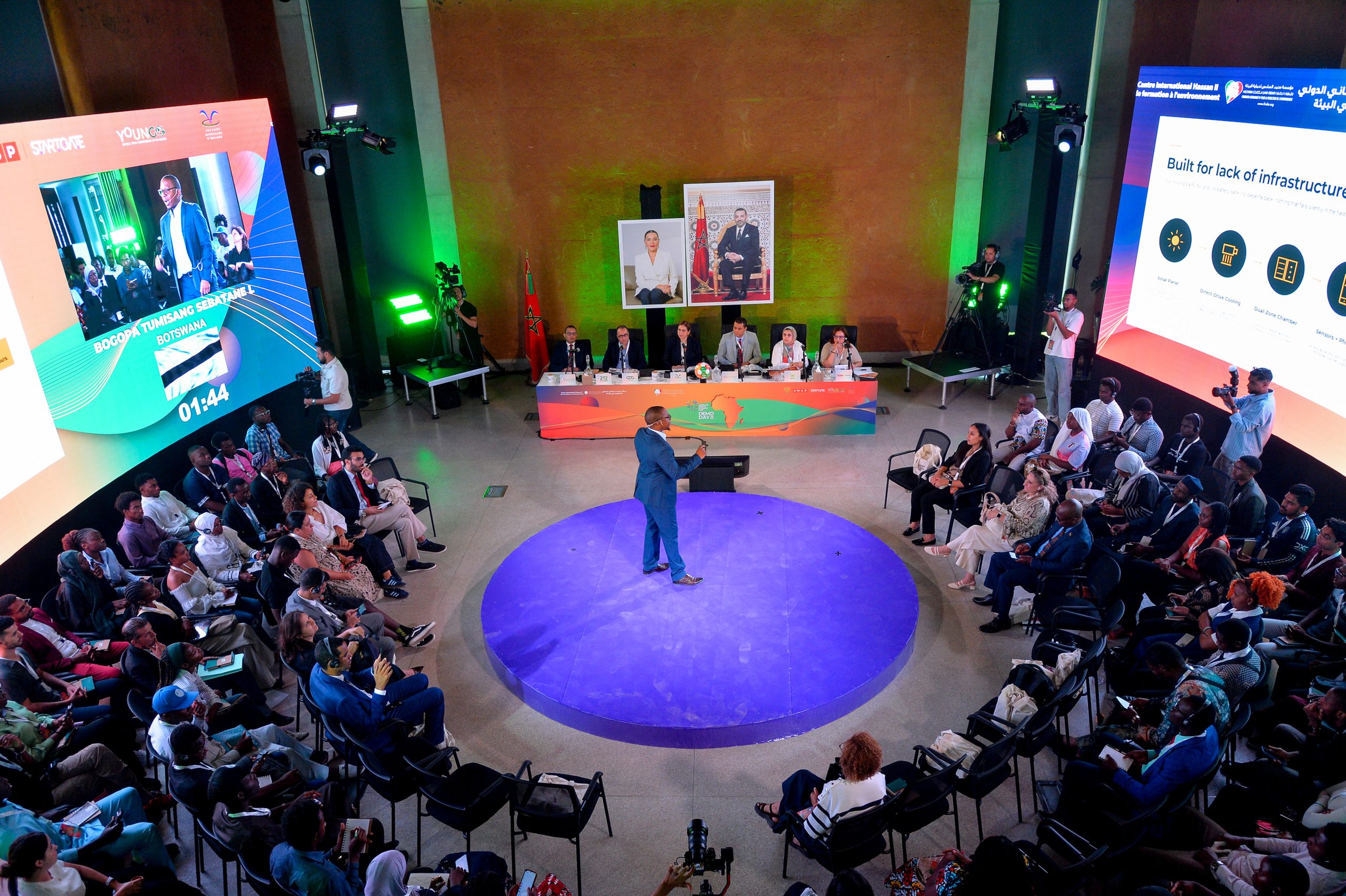
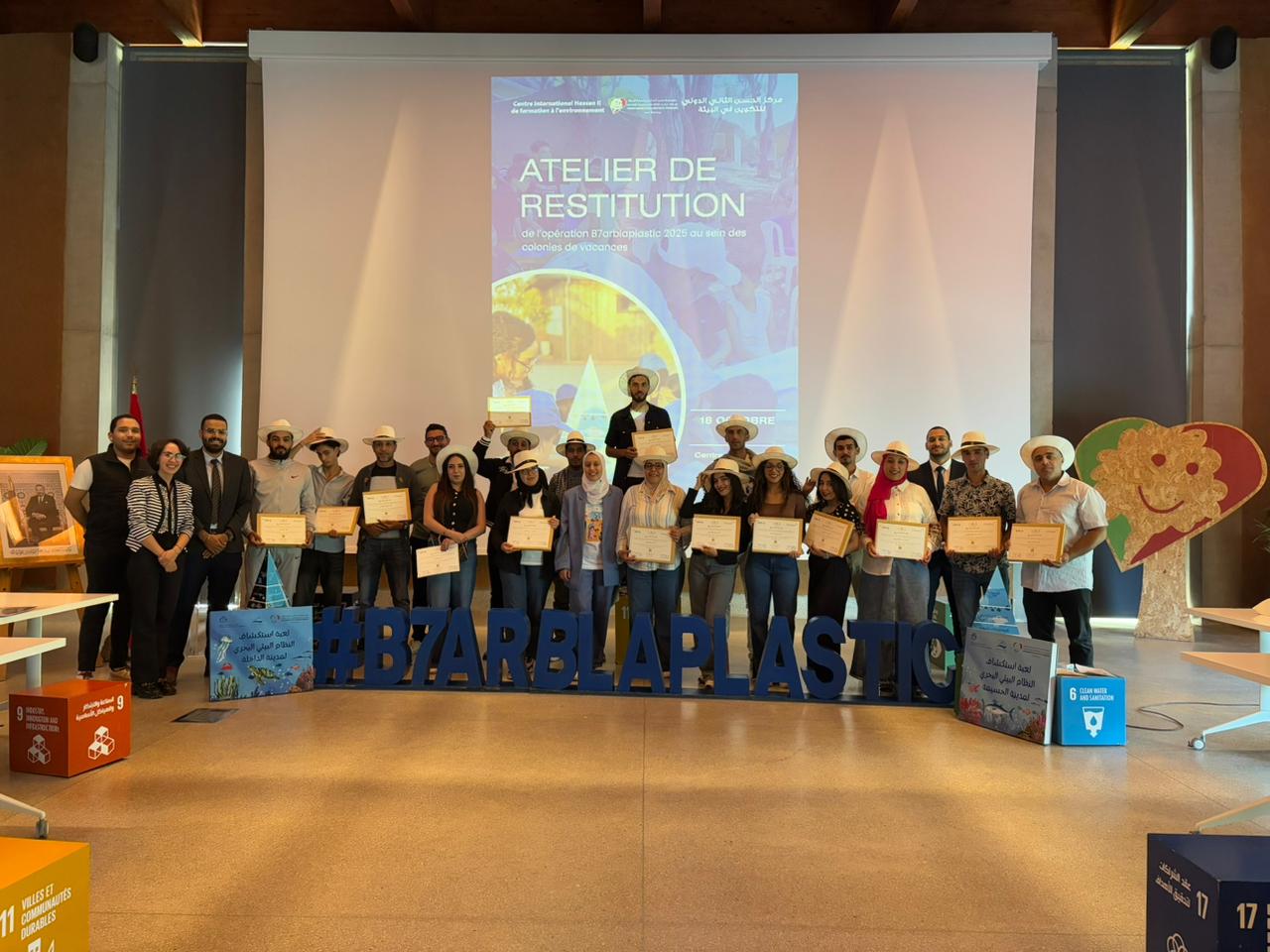
“Roots and Horizons” Fondation Mohammed VI pour la Protection de l’Environnement Brings Together Education for Sustainable Development Stakeholders to Review 2025-2026 Achievements and Chart the Way Forward to 2026-2027



The idea of an international meeting on environmental education became a concrete reality in 2003 with the First World Environmental Education Congress (1st WEEC) held in Espinho, Portugal, from May 20 to 25 2003. The 2nd WEEC took place in Rio de Janeiro (Brazil) in 2004, September 16 to 18, for improving the network. The 3rd Congress in Torino (Italy) 2005 (3rd WEEC) brings the phase of consolidating the Congresses to an end and paves the way for the series of biennial Congresses to follow. Significantly, the 3rd WEEC in Torino in 2005 occurs during the inaugural year of the Worldwide Decade of Education for Sustainable Development (DESD), proclaimed by the United Nations for the ten-year period of 2005-2014. The Congresses of 2007 in Durban (South Africa), and Montréal (Canada) of 2009, confirm the continuity of the network. The topic of the Congress in Durban: “Learning in a changing World” has opened the opportunity for critical reflection on the role of education – practice and theory. The topic of Congress in Montréal, “Live together on Earth”, invites the 2,200 participants to contribute to the most important project of our humanity: to learn to live better the Earth. The 6th World Environmental Education Congress took place in Brisbane, Australia from July 19 to July 23 2011. In spite of the distance and the international economic crises, more than 800 delegates from more than 50 countries from all continents joined the event, which involved plenary sessions, paper presentations, workshops, round tables and symposiums. Climate is one of the main issues that emerged from the conference. How can people be educated to mitigate impacts on climate and adapt to the ongoing climate changes? How can we reinforce community resilience to the dramatic consequences of global warming? Other recurring subjects of the congress were young people’s participation, context variety, partnership and networks (keywords that have been mentioned in many speeches), the role of universities, the need to increase the attention of decision makers to the themes of environmental education. A first chance to ask politicians and institutions for an increasing commitment in favour of environmental education could be the 2012 Rio Summit, which will take place 20 years from the historic 1992 Earth Summit.
Mario Salomone closed the Conference underlining some of the main contemporary threats but also announcing some positive news, i.e. the increasing number of countries that are interested in hosting the next world congresses.
The aim of the WEEC is to encourage discussion amongst everyone involved in environmental education and sustainable development: universities, public institutions, non-governmental organizations, schools, parks, themed networks, territorial networks on various scales (local, regional, world-wide), professional associations, institutes and research centres, mass media, businesses, and so on… Educational activities are recognized as a fundamental tool in strengthening citizens’ participation in decision-making processes and therefore democracy, for the support of ecological awareness in communities and therefore encouraging new methods of production and consumption, more sensible use of resources (energy, water, raw materials, land, forests, etc.), respect for nature and all living species. The aim of environmental education is a sustainable world, both from a social and an environmental point of view, sustaining knowledge, ability and attitudes useful in fighting climatic changes, loss of biodiversity, desertification, hunger, poverty, injustice, disease, and so on…

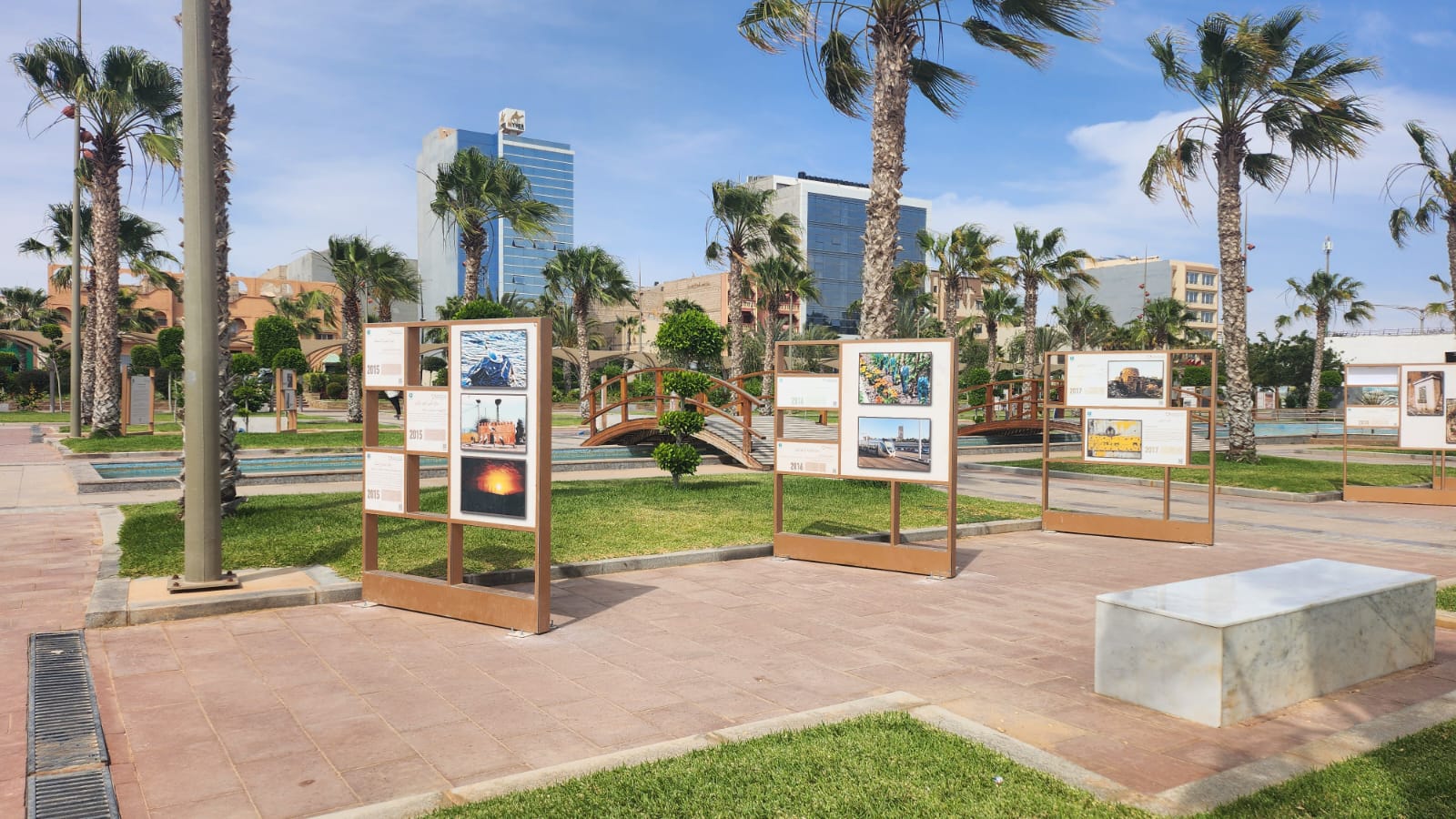








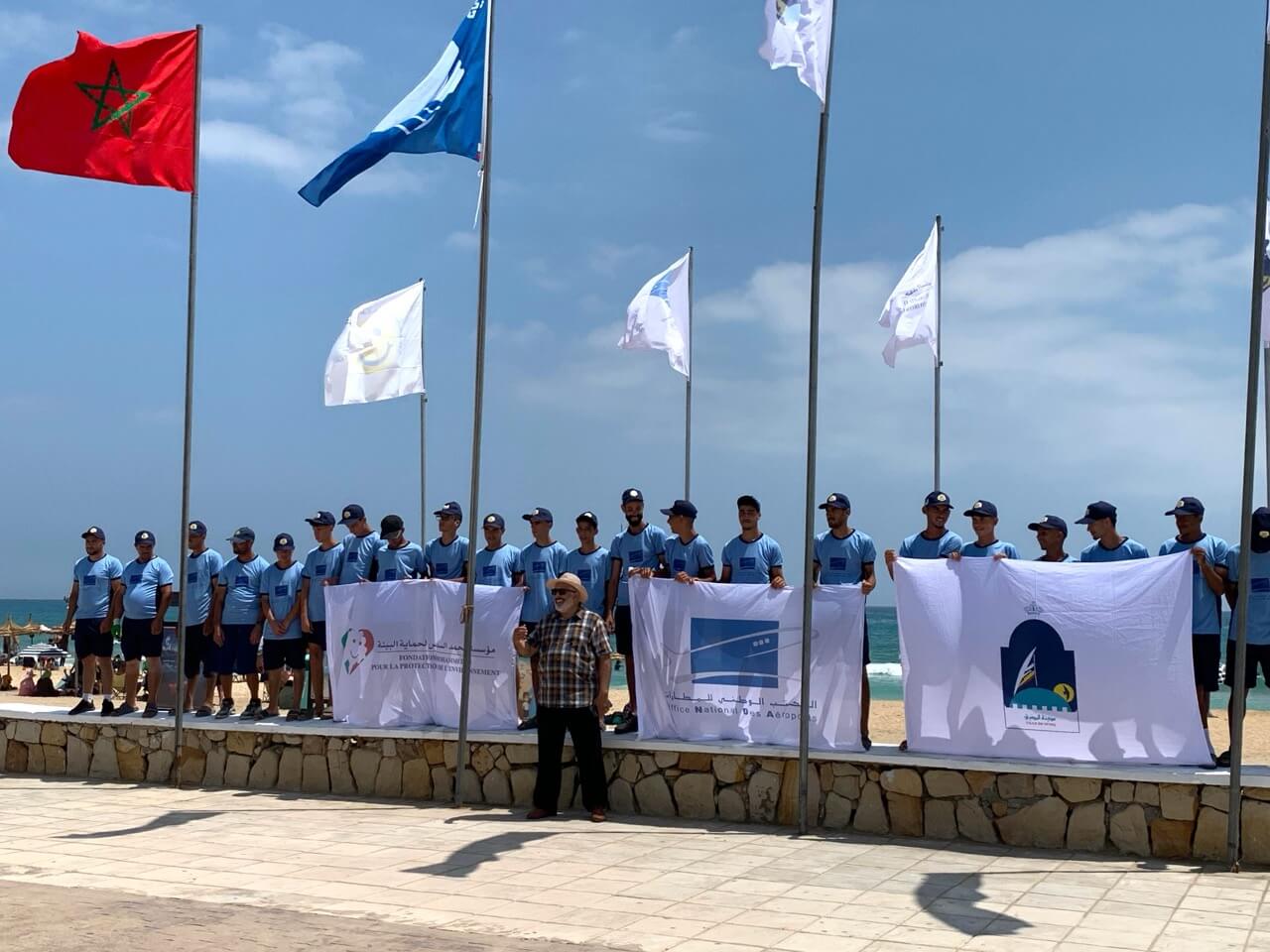






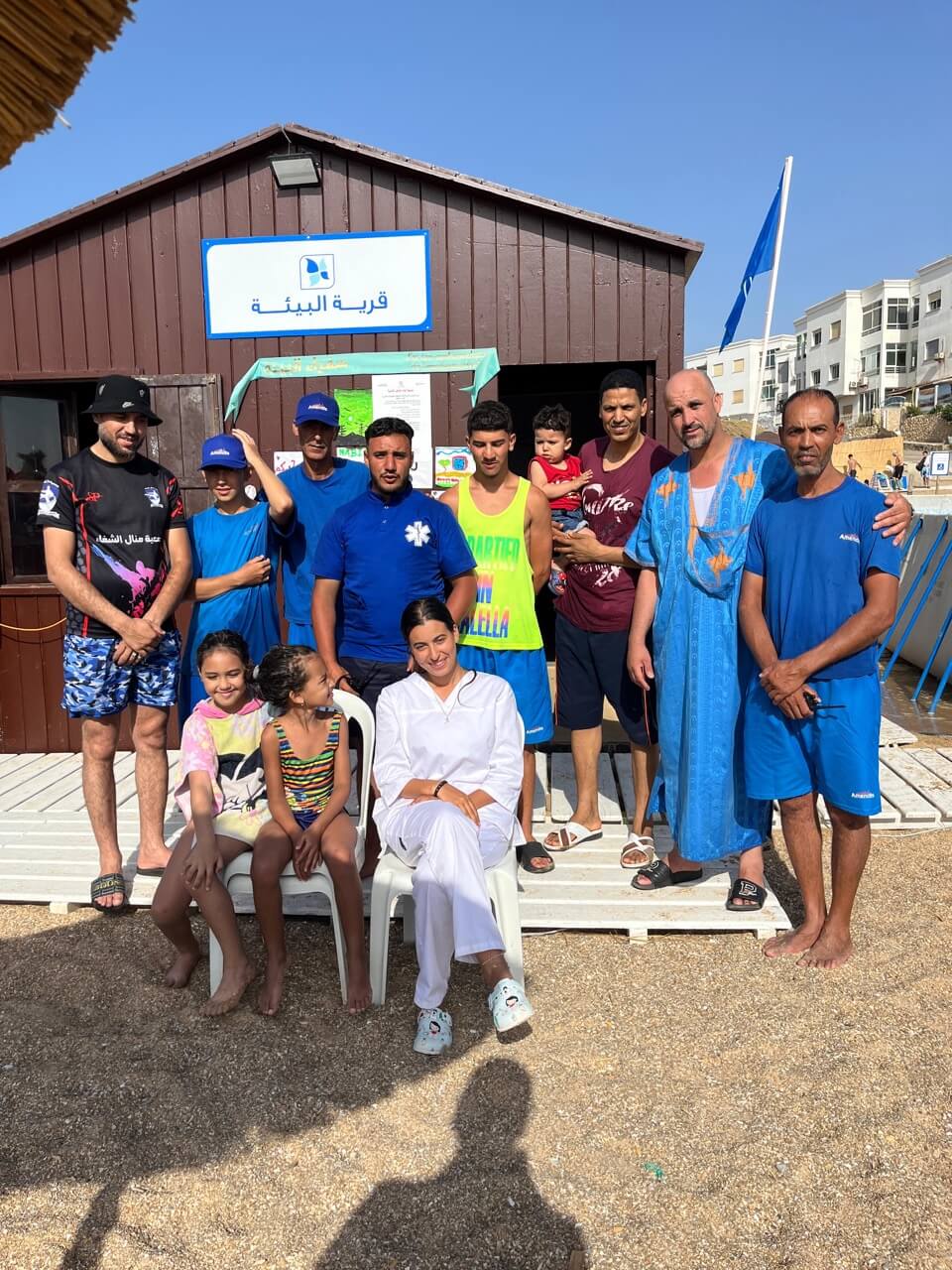


For the 2025 edition, 45 beaches had submitted their applications, illustrating the growing interest of coastal communities in this label, recognized for its contribution to sustainable tourist attractiveness and the promotion of territories.
See the sitesMohammed VI Foundation for Environmental Protection - © All rights reserved - 2025
Fm6e - 2025
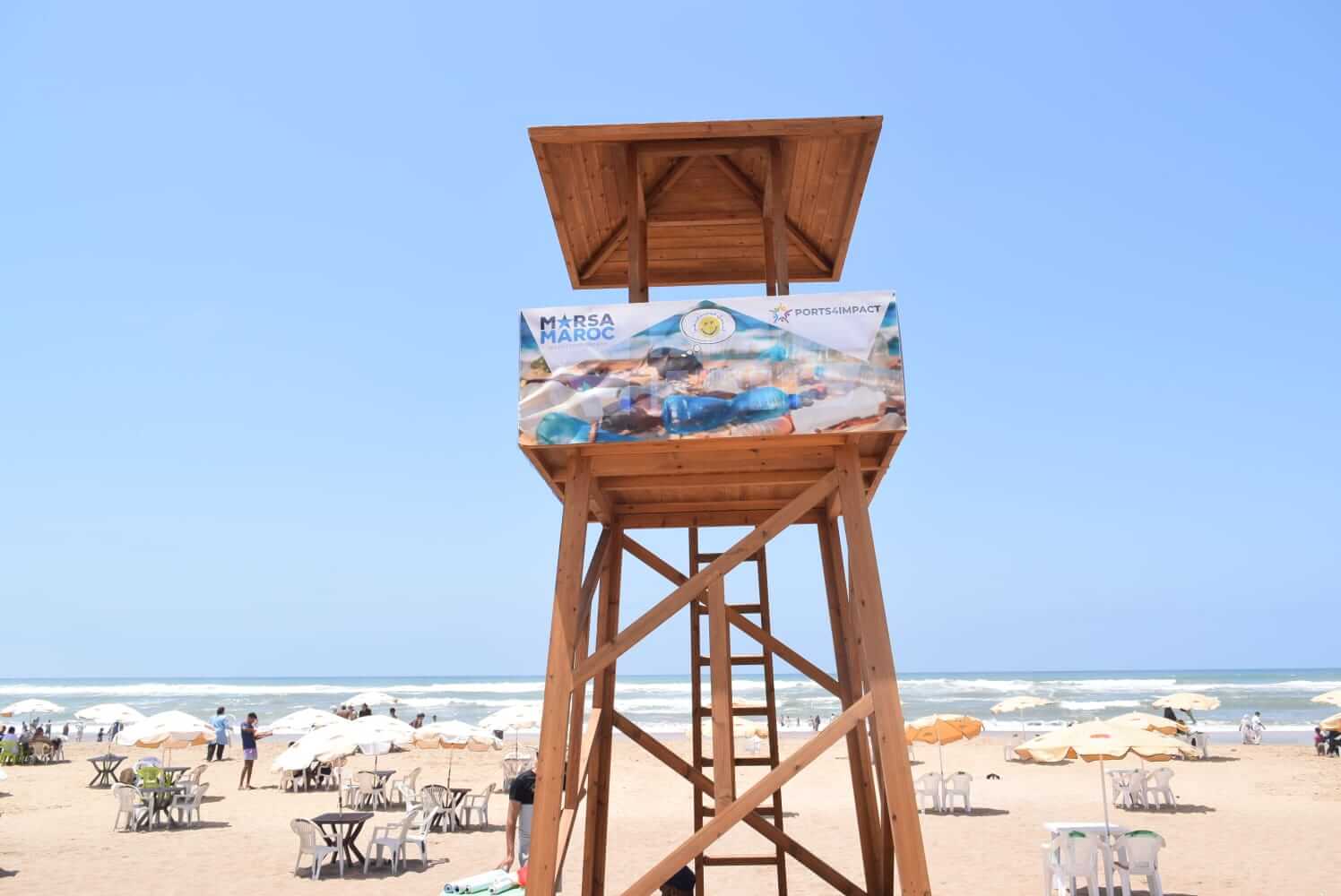
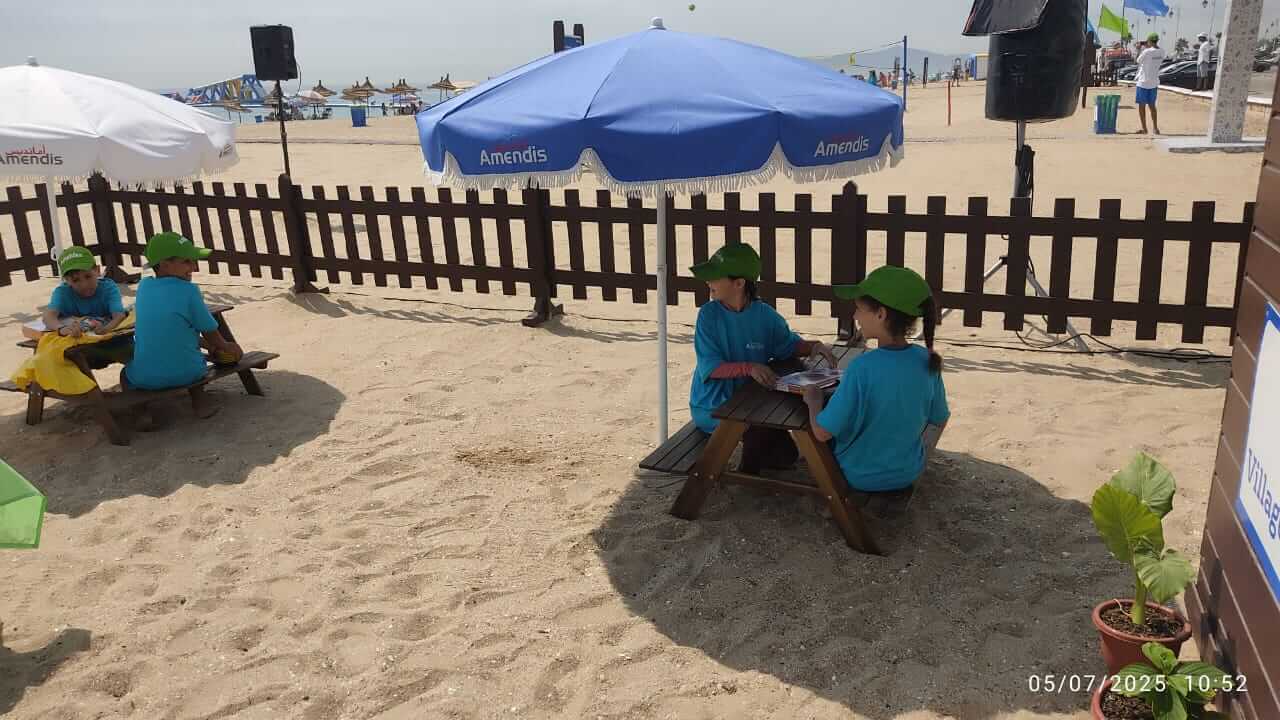
Let's all act for a #b7arblaplastic
#b7arblaplastic


