
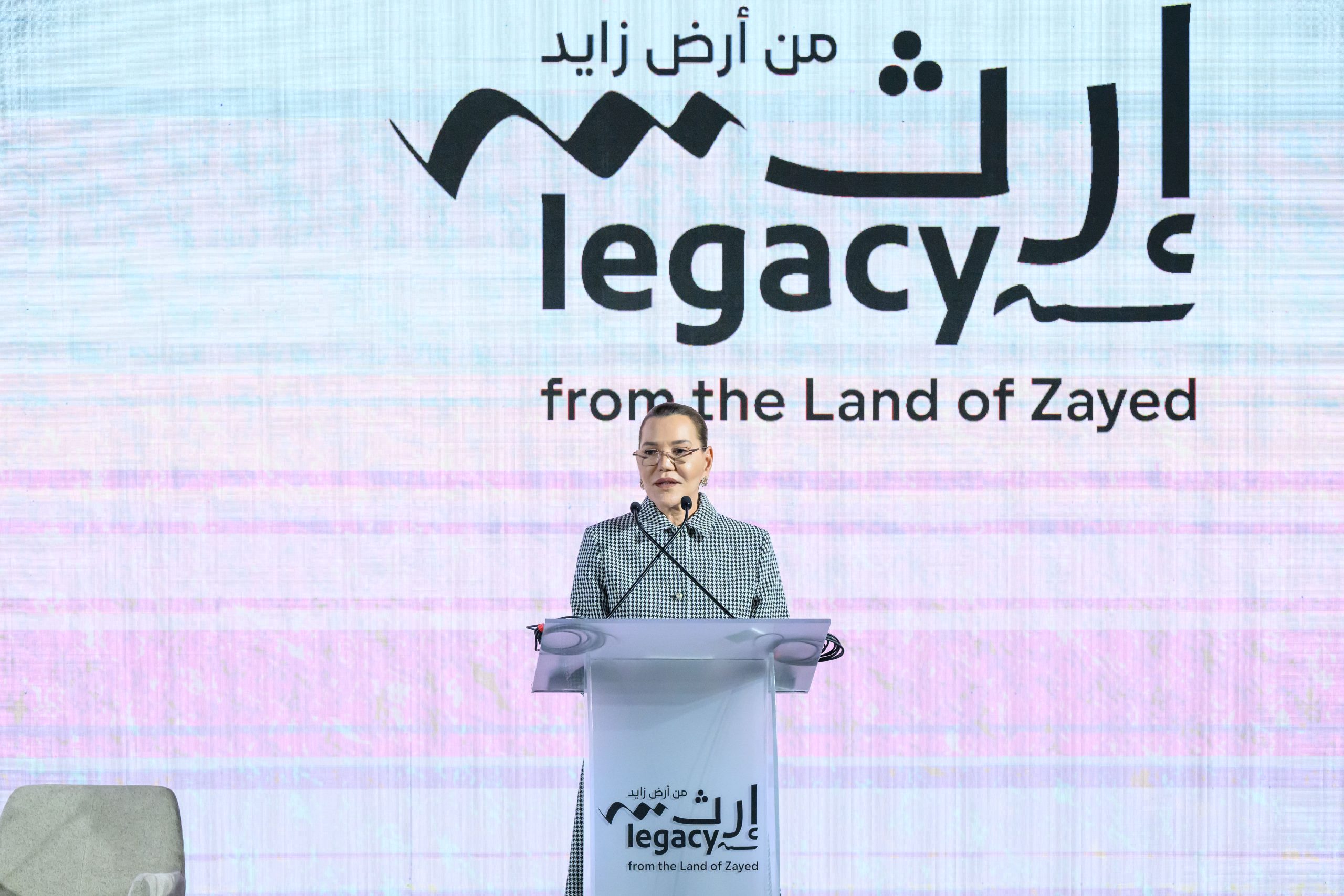
08 Dec 2023
High Level Session on Greening Education Partnership – Friday, December 8, 2023





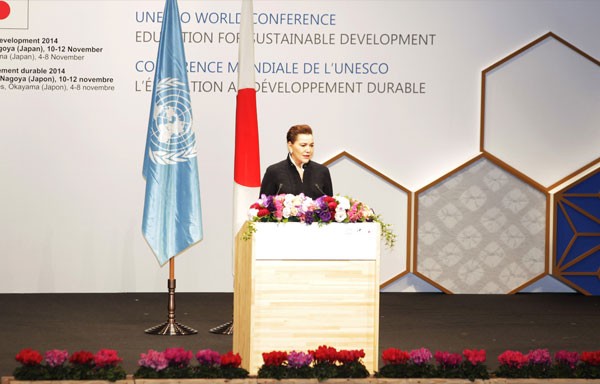
Adress by Her Royal Highness Princess Lalla Hasnaa at the UNESCO World Conference on Education for Sustainable Development – Aichi Nagoya (Japan)
Praise be to God, May peace and blessings be upon the Prophet, His Kith and King
Your Imperial Highness the Crown Prince of Japan,
Your Imperial Highness the Crown Prince of Japan,
Mrs. lrina Bokova, Director-General of UNESCO,
Your Excellency Mr. Hakubun Shimomura, Minister of Education, Culture, Sports, Science and Technology in Japan,
Mr. Hideaki Ohmura, Governor of Aichi Prefecture, Distinguished Ministers,
Ladies and Gentlemen,
It is a real pleasure to take part in this world conference which is being co-organized by UNESCO and the Government of Japan, and in which I am particularly interested.
I should like, first of all, to pay tribute to the Japanese authorities, for the warm welcome and the good organization of this international event.
I also wish to extend my sincere thanks to the Director-General of UNESCO for inviting me to take part in this meeting as guest of honor.
This is a watershed moment which not only marks the end of the United Nations Decade of Education for Sustainable Development (2005-2014), but which is also an opportunity to draw up a new global agenda for the coming years.
Moreover, it is a crucial stage for taking stock of achievements, learning from each other and making sure we make the most of this opportunity to promote education for sustainable development as a central, inevitable dimension of the global action for the protection of the environment and for human and sustainable development.
Ladies and Gentlemen ,
The Mohammed VI Foundation for Environmental Protection shares the commitment to the spirit and values underpinning the United Nations Decade of Education for Sustainable Development. As soon as the Foundation was set up by His Majesty King Mohammed VI in 2001, its action anticipated the values and principles underpinning this Decade.
Enjoying substantial autonomy in terms of means and action, the Foundation which I have the honor to chair reflects, above ail, a desire at the highest level of the state to put the citizen at the heart of the country’s sustainable development strategy.
ln this respect, Morocco’s new Constitution refers explicitly to the right to sustainable development and to a healthy environment. lt also recognizes the important role to be played by civil society and NGOs in raising public awareness and in promoting the citizens’ participation in public affairs.
To think and act for the sake of the environment – in the broadest sense of the term – means to be fully aware that the planet is not only a precious legacy, but that it also implies a tremendous responsibility for us in terms of preserving the interests of future generations.
That is why. present and future generations are the main focus of the Mohammed VI Foundation’s action. lt is for them and through them that we seek to raise awareness and to educate people on values and behaviors conducive to sustainable development.
The Foundation acts, first, at primary school lever. Consistent with its usual approach, in partnership with the Ministry of Education and associating teachers’ and educators’
organizations, elected officials, local NGOs and economic operators, the Foundation seeks the emergence of a new, “eco-friendly” generation that believes wholeheartedly in the values of sustainable development.
ln secondary schools, our action seeks to stimulate young people’s curiosity and interest by making them aware of their individual and collective responsibilities towards the environment.
Our Foundation is also currently involved in setting up an education canter for sustainable development to serve as a center for resources and skills development.
We see the media as a key actor and partner. We are also particularly interested in the various forms of awareness-raising and mobilization provided by the new information technologies and social networks, thanks to the change in scale and the massive impact our campaigns can have.
Ladies and Gentlemen,
One of the main challenges in the area of education for sustainable development is that of pertinence and efficiency in the field; we want our efforts to be more than mere words, which sometimes have no tangible effect – however sincere they may be.
Explaining what we should do is not enough: we must lead by example in the field, in a coherent manner. To that end, an active pedagogical approach must be developed.
In this process of learning through example, major national projects can have a positive ripple effect. This is clearly shown by the ambitious Moroccan solar project – the largest in the world – which arouses young school children’s and students’ interest
in clean technology and leads to innovation contests at schools, solar car races and other similar praiseworthy initiatives.
To educate and to take action: these are the two guiding principles that go hand in hand in all of the Foundation’s programs. lt is the basis upon which the Foundation rallies all segments of society to support concrete local objectives that have a direct impact on the citizens as well as an important educational dimension. lndeed, the Foundation’s motto is “The environment is everyone’s concern”.
Whether with regard to the “Clean beaches” initiative – Morocco has approximately 3,600 km of coastline – the plan to protect the Marrakech palm grove, the rehabilitation of the Kingdom’s historic parks and gardens or the improvement of air quality, our approach is always explained in a practical, concrete way, with special emphasis on how the degradation of our natural heritage occurs and how to preserve it.
Thus, during the preparation of the National Report for the “Rio+20” Conference in 20I2, the Foundation held a forum on responsible consumption modes. This provided an opportunity for a group of high school students to compare their ideas with those of officiais, civil society actors and media representatives, enabling them to put forward many pertinent, practical recommendations.
This exercise was repeated the following year, on the occasion of the 7th World Environment Education Congress, held in Marrakech in 20I3, when high school students were involved as citizen journalists.
Finally, I wish to mention the importance and raie of religious education, which should not be excluded from our collective efforts. On the contrary, it should be included because it helps muster the symbolic resources of the nations’ intangible heritage – for example to raise public awareness of the rational use of water resources. This is an essential element which should not be overlooked in education for sustainable development.
Ladies and Gentlemen,
Much remains to be done in the area of education for sustainable development. Each one of us, according to our means or status, is called upon to make a contribution, however modest, and to show perseverance as part of a coherent, overall strategy.
Working towards the development of this coherent strategy and mustering the means required for success constitute the dual challenge we shall be faced with in the coming decade as new goals are proposed under the United Nations’ post-20I5 Agenda.
I should like to commend UNESCO’s leadership in the area of education for sustainable development and to congratulate all stakeholders on the proposed platforms for action.
This ethical requirement for coherent action applies to all of us: in the North as well as in the South, at country level as well as in international forums.lt is just as necessary as the requirement of pertinence and efficiency, which are sometimes lacking in many initiatives, despite the goodwill of the actors concerned.
Education for sustainable development is both a challenging task and a long struggle since it targets attitudes and seeks to change reflexes and modes of behavior in our societies. As such, it is a task that calls for sustained, crossgenerational momentum to fulfil the ambition of seeing the emergence of informed, comm itted global citizens who are responsible for their own future.
Thank you.
Wassalamu alaikum warahmatullah wabarakatuh.
خطاب صاحبة السمو الملكي الأميرة للا حسناء خلال المؤتمر العالمي لليونسكو للتربية من أجل التنمية المستدامة
أيشي ناغويا ( اليابان)
الحمـد لله، والصـلاة والسـلام عـلى مـولانـا رسـول الله وآلـه وصحبـه.
صاحب السمو الإمبراطوري ولي عهد اليابان،
صاحبة السمو الإمبراطوري ولية عهد اليابان،
السيدة إيرينا بوكوفا، المديرة العامة لليونسكو،
معالي السيد هاكوبون شيمومورا، وزير التربية و الثقافة و الرياضة و العلوم و التكنولوجيا اليابانية،
السيد هديكاي أهمورا ، محافظ أيشي،
السادة الوزراء،
حضـرات السيـدات والسـادة ،
ببالغ الإهتمام و عميق الإرتياح، أشارك في أشغال هذه الندوة العالمية، التي تنظمها كل من منظمة اليونسكو والحكومة اليابانية.
و يطيب لي أن أوجه تحية تقدير للسلطات اليابانية، على حفاوة الإستقبال، وحسن تنظيم هذه التظاهرة الدولية.
كما أتقدم بخالص عبارات الشكر و الإمتنان للمديرة العامة لمنظمة اليونسكو، على دعوتها الكريمة لي للمشاركة في هذا الملتقى كضيفة شرف.
إنها للحظة قوية للإحتفاء بنهاية عشرية الأمم المتحدة للتربية على خدمة التنمية المستدامة (2005-2014)، و إطلاق برنامج عمل جديد و شامل للسنوات القادمة.
إنها لحظة حاسمة لتقييم ما تم إنجازه، و الإستفادة من تجاربنا المشتركة، و تقوية التعبئة الجماعية. و هي فرصة سانحة يتعين اغتنامها للدفع قدما بالتربية من أجل التنمية المستدامة، بإعتبارها بعدا أساسيا ولا محيد عنه، في أي عمل شامل يهدف إلى حماية البيئة و خدمة التنمية البشرية و المستدامة.
حضـرات السيـدات والسـادة ؛
إن مؤسسة محمد السادس لحماية البيئة تتقاسم روح وقيم عشرية الأمم المتحدة من أجل التربية على التنمية المستدامة. فقد إنخرطت بطريقة مسبقة، في هذه العشرية، منذ إحداثها سنة 2001 من طرف صاحب الجلالة الملك محمد السادس.
إن المؤسسة التي أتشرف برئاستها، والتي تتمتع بإستقلالية كبيرة في عملها ووسائلها، هي أولا وقبل كل شيء، تعبير عن إرادة نابعة من أعلى مستوى في الدولة، لجعل المواطن في صلب استراتيجية التنمية المستدامة في بلدنا.
وفـي هـذا السياق، يكرس الدستور الجديد للمملكة، ودون أي لبس، الحق في التنمية المستدامة وفي بيئة سليمة.كما يكرس الدور المحوري الذي ينهض به كل من المجتمع المدني، والمنظمات غير الحكومية، في عملية توعية المواطن، و المشاركة في المبادرات العمومية.
إن التفكير والعمل من أجل البيئة، بمفهومها الواسع، ينطلق من الوعي التام بأن كوكب الأرض ليس فقط إرثا ثمينا، بل إنه أكثر من ذلك، أمانة جسيمة يتعين حملها تجاه الأجيال القادمة.
ومن هذا المنطلق، تضع مؤسسة محمد السادس الأجيال القادمة، في مقدمة أهداف برامجها ومبادراتها. فمن أجلها ومن خلالها، نعمل على نشر الوعي، و إشاعة قيم و سلوكيات التنمية المستدامة.
ذلك أن عمل مؤسسة محمد السادس، يبدأ من مؤسسات التعليم الأولي. فهي تراهن على إنبثاق جيل جديد، مسؤول بيئيا، و يؤمن بقيم التنمية المستدامة، و ذلك عبر شراكتها مع وزارة التربية الوطنية، وسعيها لحشد جهود جمعيات المدرسين والمربين، إلى جانب المنتخبين و المنظمات غير الحكومية المحلية و الفاعلين الإقتصاديين، و فية في ذلك للنهج الذي اختارت اتباعه.
أما على مستوى التعليم الثانوي، فنشاط المؤسسة يخاطب يقظة الشباب و حب الإستطلاع لديهم، لحملهم على إدراك مسؤولياتهم الفردية و الجماعية تجاه البيئة.
وتنكب المؤسسة حاليا على التحضير لإطلاق مركز للتربية على التنمية المستدامة، يشكل فضاء الموارد و تنمية الكفاءات.
كما أننا في المؤسسة ننظر للإعلام كفاعل و شريك أساسي، و نولي إهتماما خاصا لكل أشكال نشر الوعي و التعبئة، التي تتيحها اليوم التكنولوجيات الحديثة للإعلام، و شبكات التواصل الإجتماعي، خاصة بالنظر للمدى الأوسع و التأثير الكبير الذي قد تحظى به حملاتنا.
حضـرات السيـدات والسـادة ؛
إن من أكبر التحديات التي يتعين رفعها في مجال التربية على التنمية المستدامة ، تحقيق النجاعة و الفاعلية في عملنا الميداني و ذلك حتى لا تبقى جهودنا حبرا على ورق ، وخطابا صادقا وصائبا، و لكن دون تأثير ملموس أحيانا.
فشرح السلوكيات الصحيحة يظل غير كاف، إذا لم يكن مدعوما بالأمثلة المناسبة وذات صلة على أرض الواقع، مما يفرض تطوير منهج تربوي ناجع.
وفي إطار هذه المقاربة، التي تعتمد على التربية بضرب المثل، لابد من الإشارة إلى أن المشاريع الوطنية الكبرى، لايمكنها إلا أن تلعب دور القاطرة في هذا المجال، كما هو الشأن بالنسبة لمشروع الطاقة الشمسية المغربي الطموح، و الأكبر من نوعه في العالم، الذي يساهم في إبراز ميول ومهارات التلاميذ و الطلبة في مجال التكنولوجيات النظيفة، ويشجع على تنظيم مسابقات للإبتكار داخل المؤسسات التعليمية، وسباقات للسيارات التي تعمل بالطاقة الشمسية ، و غيرها من المبادرات الحميدة .
فكل برامج مؤسستنا تقوم على مبدأين متلازمين ، وهما : التربية و العمل. وعلى أساسهما نقوم بحشد و تعبئة كل مكونات المجتمع حول أهداف ملموسة ، تهم المواطن مباشرة ، تربوية في جوهرها ، و ذات بعد محلي. فشعار مؤسستنا هو : ” جميعا من أجل البيئة”
و سواء تعلق الامر بمبادرة ” شواطئ نظيفة” – علما بأن طول سواحل المغرب يقارب 3600 كلم – أو بمشروع حماية واحة النخيل بمراكش ، او تأهيل الحدائق و المنتزهات التاريخية للمملكة ، أو تحسين جودة الهواء، فنحن في كل مرة نعرض مقاربتنا بطريقة ملموسة و عملية ، تبرز آليات تدهور تراثنا الطبيعي، وسبل الحفاظ عليه.
فخلال إعداد التقرير الوطني الخاص بمؤتمر ” ريو + 20″ في 2012، بادرت المؤسسة إلى تنظيم منتدى حول الإستهلاك المسؤول ، شكل مناسبة لمجموعة من تلامذة التعليم الثانوي التأهيلي، لتبادل الافكار مع مسؤولين و فاعلين و إعلاميين من المجتمع المدني ، و فرصة لطرح مجموعة من التوصيات السديدة و العملية.
وقد تم تكرار التجربة السنة الموالية ، بمناسبة المؤتمر العالمي السابع للتربية البيئية، الذي استضافته مدينة مراكش في 2013 ، حيث تم إشراك التلاميذ ، و أنيط بهم دور الصحافة المواطنة.
وفي الختام ، اود أن أذكر بأهمية و دور التربية الدينية ، التي لا يجب إقصاؤها من الجهد الجماعي ، بل ينبغي أن تشكل جزءا من هذا الجهد ، لأنها تمكن من حشد الموارد الرمزية المرتبطة بالرصيد غير المادي للامم ، حيث يمكن تسخيرها مثلا في خدمة التوعية بأهمية الإقتصاد في استعمال الموارد المائية. و يتعلق الامر هنا برافد اساسي لا يجب إغفاله في مجال التربية على التنمية المستدامة.
حضـرات السيـدات والسـادة ؛
لازال هناك الكثير مما يجب القيام به في مجال التربية في خدمة التنمية المستدامة، فالجميع مطالب، كل من موقعه و حسب إمكانياته، بالمساهمة في هذا المجهود الجماعي ، مهما كانت مساهمته بسيطة، و ذلك بروح المثابرة ، وفي إطار ترابط شامل.
فهذا الترابط الشامل، بالإضافة لتوفير سبل النجاح لهذه التجربة ، هو الرهان المزدوج الذي علينا رفعه خلال العشرية القادمة، التي حددت لها رزمانة الأمم المتحدة لما بعد 2015 أهدافا جديدة.
وأود هنا أن أشيد بريادة اليونسكو في مجال التربية على التنمية المستدامة، كما أتوجه بالتحية لكل الاطراف المنخرطة في أرضيات العمل المقترحة.
إن الجميع مطالب بأخذ معيار الاتساق و الترابط بعين الإعتبار : في الشمال كما في الجنوب ، وعلى مستوى الدول و المحافل الدولية على حد سواء، وعلى نفس درجة أهمية مطلبي النجاعة و الفعالية، التي تفتقدها أحيانا العديد من العمليات ، و ذلك رغم كل النوايا الحسنة التي يحملها من يقفون وراءها.
إن التربية على التنمية المستدامة مهمة صعبة ، ومعركة طويلة الأمد ، لأنها تستهدف العقليات ، و تسعى لتغيير ردود الأفعال التلقائية و السلوكيات داخل مجتمعنا. إنها مهمة تتطلب نفسا طويلا و متواصلا ، تتناقله الاجيال المتعاقبة ، يكون في مستوى تطلعنا لبروز مواطنة عالمية ، واعية وملتزمة ومسؤولة تجاه مستقبلها.
شكرا لكم.
والسـلام عليكـم ورحمـة الله تعـالـى وبـركـاتـه.







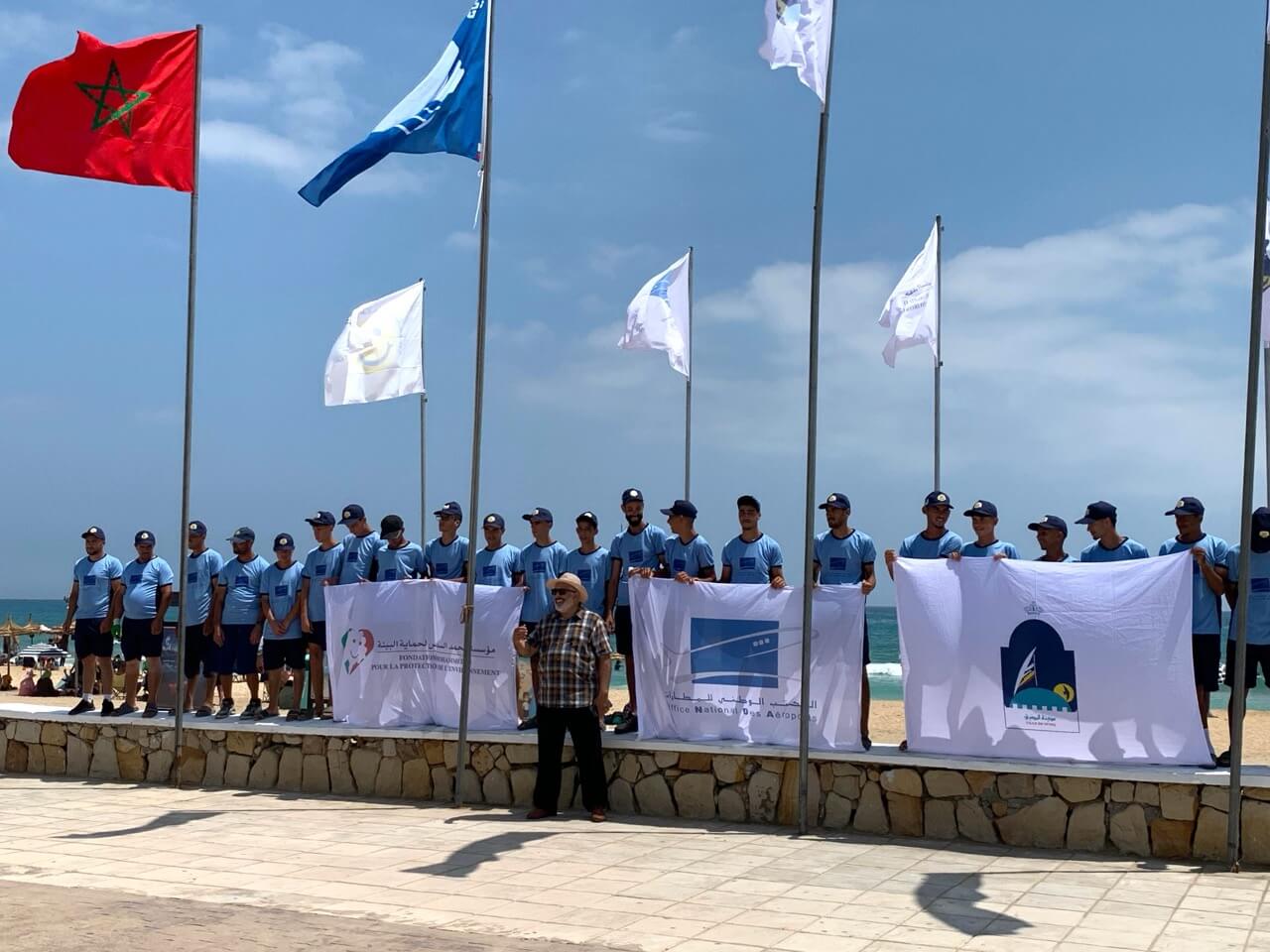


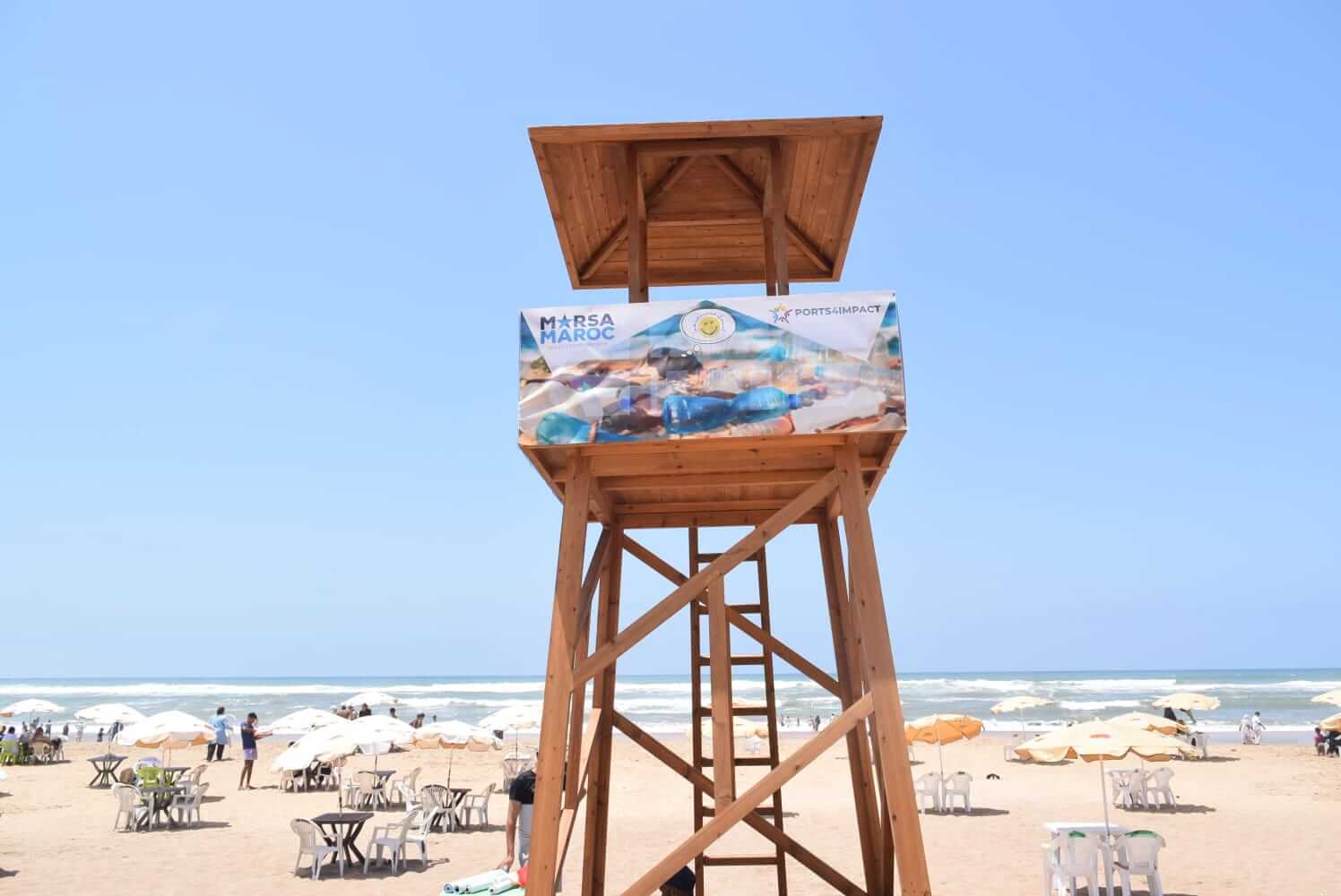


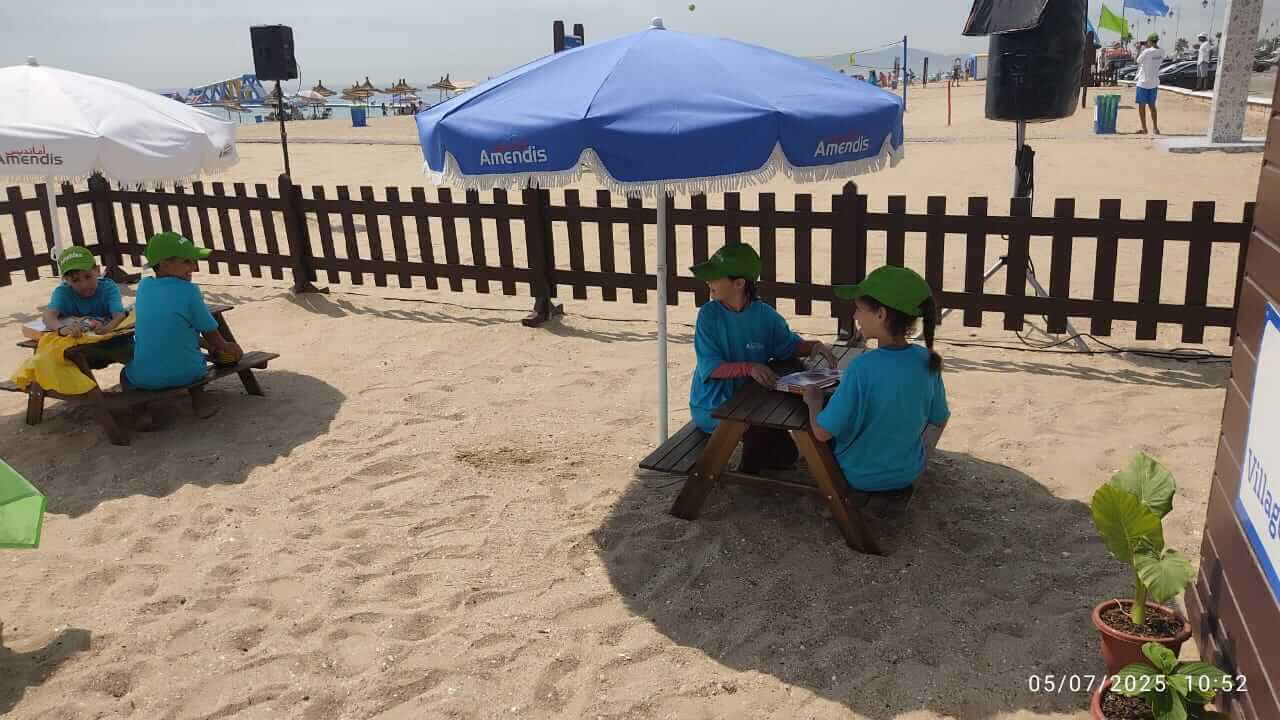


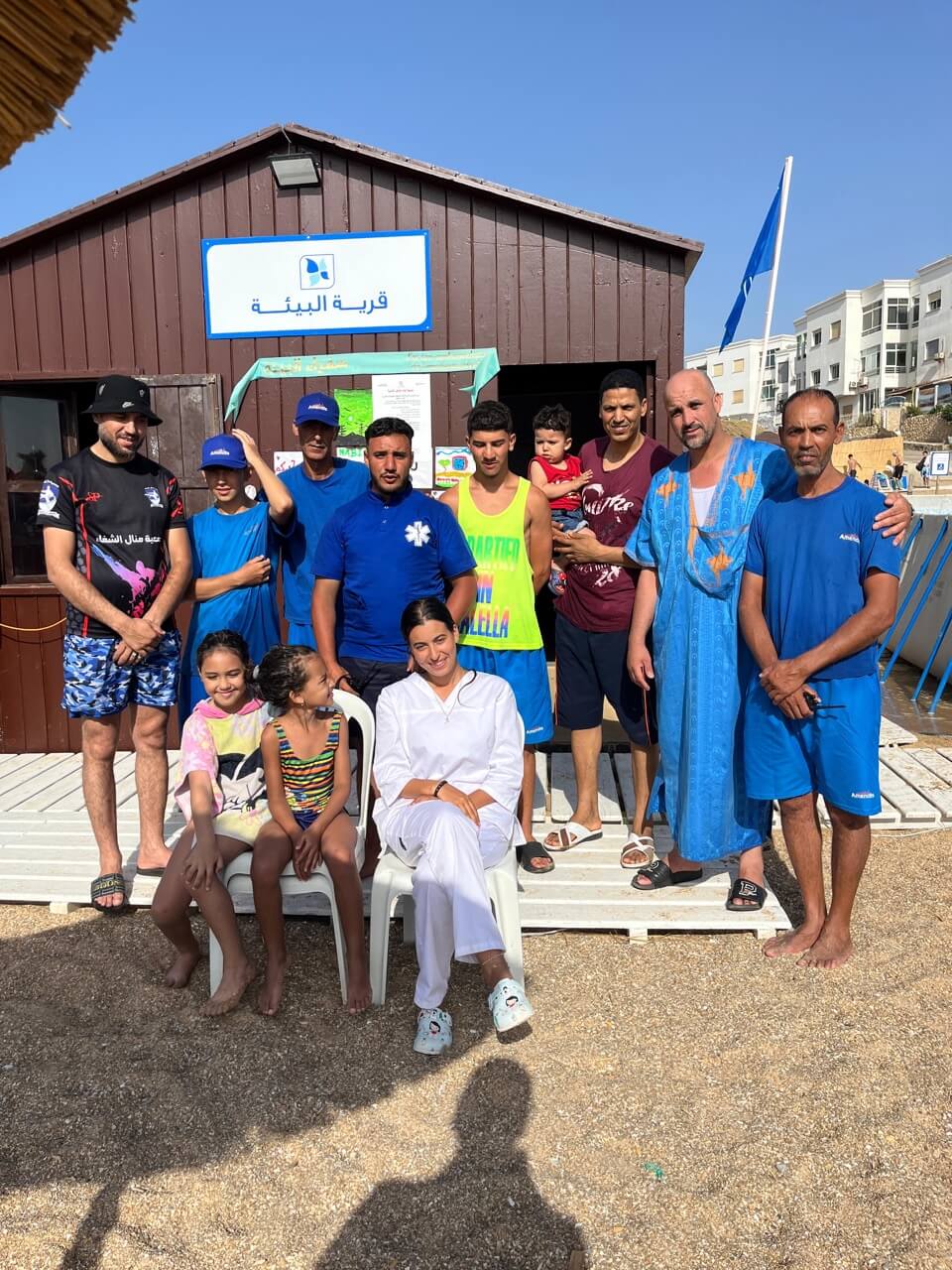


For the 2025 edition, 45 beaches had submitted their applications, illustrating the growing interest of coastal communities in this label, recognized for its contribution to sustainable tourist attractiveness and the promotion of territories.
See the sitesMohammed VI Foundation for Environmental Protection - © All rights reserved - 2025
Fm6e - 2025
Let's all act for a #b7arblaplastic
#b7arblaplastic


